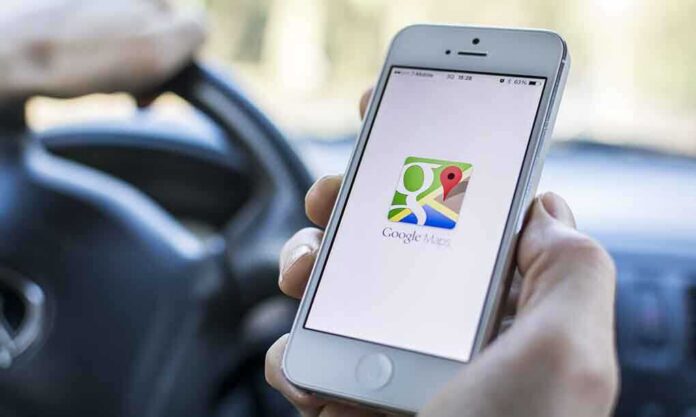
President Trump told rallygoers he asked Google’s chief executive to relabel the Atlantic Ocean on Google Maps, then said he would keep the current name after hearing the pushback.
Story Highlights
- Trump said he asked Google to rename the Atlantic on Google Maps and shared the reply.
- Sundar Pichai allegedly declined, citing the ocean’s global scope, according to Trump.
- Trump closed by saying he would probably pass and keep “Atlantic Ocean”.
- No formal federal renaming action or international change exists in the record.
What Trump Said Happened With Google
President Trump described a recent exchange with Google’s chief executive, Sundar Pichai, about changing how the Atlantic Ocean appears on Google Maps. Trump said he sent an image with a different label and asked if Google could make the switch. He quoted Pichai as responding, “No, no, no, this time I’m not doing it,” and asking him not to press the issue. Trump shared the story from the stage and walked through how the conversation unfolded.
Trump’s remarks tied the idea to Google Maps, not to a treaty body or a naming authority. The Hill reported he raised whether the Atlantic could be renamed on the platform. Fortune reported that he referred to “The Trump Ocean” in an image he said he sent to Google. The event coverage placed the exchange at a rally setting, where Trump often tests lines and reacts to the crowd’s response as he speaks.
Where He Landed: Keep The Atlantic Name
After retelling the alleged call, Trump told the crowd he would likely pass on any Atlantic renaming. He said, “I think let’s keep it the Atlantic Ocean,” and framed the moment as a decision point after hearing Google’s stance. That ending line came after he described Pichai’s request to drop the issue. Multiple outlets captured the close of his remarks and placed the timeline at a rally in the days before their reports published.
Reports also note that Trump has floated several labels in recent days, including “Trump Ocean,” “Ocean of the Americas,” and “American Ocean.” The references have varied between the Atlantic and the Pacific. That fluidity in naming makes it hard to pin down a single firm proposal, beyond the narrow question of how a commercial map might render a label for viewers in the United States.
No Formal Renaming Process Identified
Coverage does not identify an executive order, an action by the United States Board on Geographic Names, a congressional measure, or an international step to rename the Atlantic. The Washington Post focused on Trump’s recounting of the Google call and his decision to pass, without pointing to a government filing or directive. The story centers on a platform display question and a rally moment, not on a binding change in federal or global records.
One outlet noted that Google had not publicly confirmed Trump’s account of the call at the time of reporting. That context underscores that the episode stands on Trump’s description and on media recordings of his rally remarks. The core facts remain that he said he asked, he quoted Pichai’s rejection, and he told supporters he would keep the current ocean name for now after weighing that response.
How Map Labels And Official Names Differ
United States agencies use the United States Board on Geographic Names to standardize names across federal publications. That board, housed with the Department of the Interior, sets federal usage but does not bind other countries. When names are politically sensitive or span borders, the international result is often parallel naming rather than one universal term, which means private maps can show different labels in different places based on local standards.
Why This Resonates With Conservative Voters
Many conservatives see tech platforms acting like gatekeepers for national identity. A map label seems small, yet it shapes what millions see each day. Trump’s story highlights how a giant company can stiff-arm a request that reflects American pride, even when users in the United States are the audience. Voters who want stronger borders, energy independence, and respect for tradition also want American names and symbols to carry weight where they live and work.
Bottom Line
Trump said he asked Google’s chief executive to relabel the Atlantic Ocean on Google Maps, quoted a refusal, and then told supporters he would keep the name as is. There is no sign of a formal renaming process or an international change. The moment fits a wider fight over who defines the map that teaches our kids and guides our lives: elected leaders who answer to voters, or tech bosses who answer to no one.
Sources:
youtube.com, newsweek.com, theverge.com, thehill.com, fortune.com, huffpost.com, congress.gov