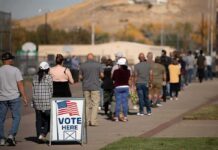


A last-minute court order kept Brazil’s polls open two extra hours, and now Flávio Bolsonaro wants the entire election tossed.
Story Snapshot
- Flávio Bolsonaro refused to concede and said he will seek annulment of the vote.
- A Supreme Court justice extended voting nationwide by two hours citing transport issues.
- Election authorities paused public results until after the new closing time.
- The election court’s president said the extension did not change the result.
What Triggered The Annulment Push
Flávio Bolsonaro said it was impossible to recognize the result and announced a legal bid to annul the election after authorities extended voting by two hours on runoff day. He argued the rule change during active voting broke equal treatment among voters. His statement came after Brazil’s election authority announced Luiz Inácio Lula da Silva ahead in the final count. The refusal and planned challenge set up a direct test of the order that extended voting across the country.
Justice Cristiano Zanin of Brazil’s Supreme Federal Court issued the nationwide order to keep polling stations receiving votes until 7 p.m. Brasília time. Reports said he cited urgent transportation complaints that made it hard for some voters to reach the polls. The move was unusual and broad, and it required the Superior Electoral Court to carry it out. The Electoral Prosecutor’s Office opposed changing the legally fixed voting hours, underscoring the dispute’s seriousness.
How Election Officials Managed The Extension
The Superior Electoral Court paused the public release of vote totals during the extra hours. Officials said they would resume reporting after voting ended at 7 p.m. That step aimed to avoid affecting voter behavior while polls remained open under the court order. Media accounts said initial displayed totals showed Lula ahead before the pause, and that release resumed after the new closing time passed nationwide.
After the count resumed, coverage reported Lula at 51.79 percent of valid votes and Flávio Bolsonaro at 48.21 percent. The president of the Superior Electoral Court, Kassio Nunes Marques, later stated that the extension did not change the final outcome. That institutional stance pushed back on claims that the late rule shift swung the race, though it does not settle the legal question about the order’s scope and authority.
The Legal Fault Line: Equal Treatment Or Emergency Flex
Flávio Bolsonaro’s core claim is that changing the hours midstream broke equal treatment for voters in different places. He says that creates a basis to annul the contest. However, reports also say his party requested extensions in several states, which could cut against the national claim of unfairness. The evidence provided so far does not show precinct-level impact linking the extra hours to the final margin, a key hurdle for any annulment effort.
Defenders of the order point to transport failures and urgency. They note that authorities applied the change to sections still open, and paused public totals to reduce distortions. The election court’s president said the extension did not alter the result, and press accounts described the procedure as targeted at active polling places. These facts support the view that emergency powers were used to help voters, not to tilt the field. That will weigh on any court’s review.
Why This Fight Matters To Conservative Readers
Rules matter most when the stakes are highest. Keeping polls open late on election day without a clear, planned framework breeds distrust. Americans know that trust in voting dies when officials change rules on the fly. Brazil’s case shows how fast courts and agencies can move the goalposts, even with good intentions. The best guardrail is clear law, not ad hoc fixes. Conservatives should watch how Brazil’s courts answer whether emergency power can trump election certainty.
What To Watch Next
Watch for an actual filing from Flávio Bolsonaro’s legal team that names the case, cites statutes, and requests a remedy. Look for data that compares turnout and vote share in areas most affected by transport issues during the extra window. Track whether Brazil’s courts publish the full text and legal basis of the extension and whether they document any irregularities tied to the added hours. These concrete records, not rhetoric, will decide if the contest stands or resets.
Sources:
dw.com, english.elpais.com, valor.globo.com, oglobo.globo.com, reuters.com