
At a tense House hearing, the Federal Bureau of Investigation’s No. 2 refused to name a single right-wing organization as a domestic-terror threat, while citing Antifa and “764,” fueling new concerns about unequal standards and speech policing.
Story Highlights
- FBI deputy director said the Bureau targets people, not organizations, when probing domestic terror.
- He named Antifa and “764,” then declined to name any right-wing group, prompting backlash.
- He outlined a three-part test: federal crime, violence or threat, and ideology.
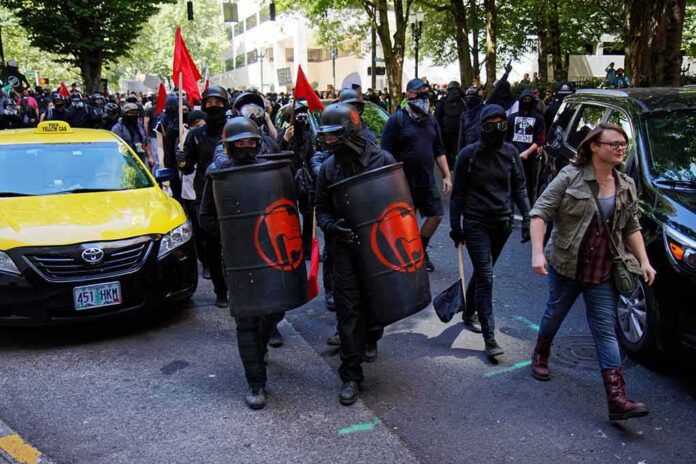
- Congressional records say officials have called Antifa an ideology, not an organization.
What Raia Said Under Oath About How the FBI Builds Domestic-Terror Cases
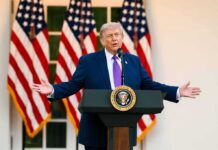
Christopher Raia, the deputy director of the Federal Bureau of Investigation (FBI), told lawmakers the Bureau does not “deal in the organizations,” but investigates people who break federal law, use or threaten violence, and act from an ideology. He said those three parts guide domestic-terror cases, not political labels. He stressed that First Amendment protections apply to groups, and that membership or views alone do not create a case. That framework set the stage for the clash that followed.
Rep. Bennie Thompson pressed Raia to name any right-wing group that meets the test. Raia first named “764” and then Antifa “off the top of my head,” but he would not name a right-wing organization. He then returned to the point that the FBI targets criminal acts by individuals, not groups as such. The exchange drew headlines because it sounded like the FBI could label Antifa, yet would not supply any right-wing counterpart.
Why Naming Antifa Raised Red Flags About Consistency and Free Speech
Thompson’s challenge landed because past congressional records quote Director Chris Wray describing Antifa as an ideology, not an organization. Raia said he mentioned Antifa in part because a president had designated it, but he added that the FBI does not follow presidential designations as an agency rule. That mixed message gave critics room to say the standard looked uneven. It also raised a risk that political labels could chill speech if officials blur ideology and organization.
Media clips amplified the moment by focusing on Raia’s inability to list a single right-wing group that meets his own test. That framing ignored his repeated rule about targeting people who commit crimes, not groups. It also skipped a basic legal fact: the federal government does not maintain an official public list of domestic-terror organizations, unlike foreign groups, which have a formal designation process. That gap between law and headlines fed confusion for viewers and readers.
The Law: Conduct-Based Standard, No Domestic “List,” and a Clear Line on Speech
Federal law defines domestic terrorism by conduct that breaks criminal law, involves violence or danger to human life, and is intended to intimidate civilians or influence government policy. It applies to acts within the United States. It does not criminalize beliefs or membership alone. The Congressional Research Service explains that recent FBI materials do not rely on left-right labels and that there is no official domestic-terror group roster. That legal design is meant to protect speech while punishing violence.
For conservatives, two concerns stand out. First, Raia’s Antifa example cut against his no-organization rule and invited lopsided media takes. Second, the refusal to name any right-wing group, after naming Antifa and “764,” opened the door to accusations of bias. Congress should now demand written policy clarifying how the FBI speaks about networks, cells, and movements. Americans deserve clear lines that punish violence, shield lawful speech, and apply the same rule to every ideology.
Sources:
archive.is, washingtonsun.com, huffpost.com, homeland.house.gov, alternet.org