

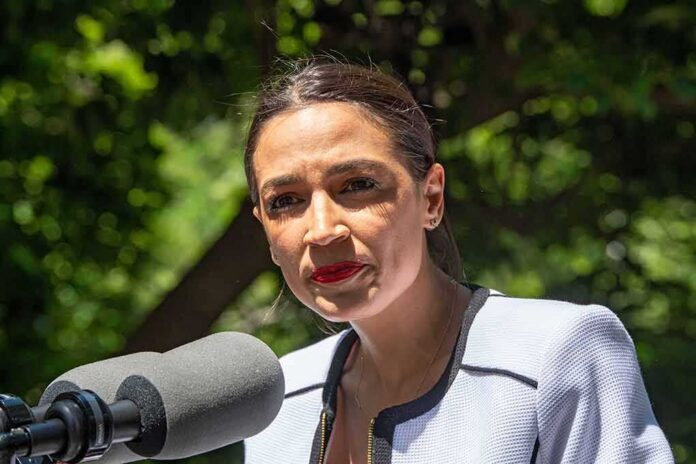
Charlamagne tha God challenged Representative Alexandria Ocasio-Cortez to stop dodging and say plainly whether progressives should back Hakeem Jeffries for Speaker.
Story Highlights
- Charlamagne accused Ocasio-Cortez of “beating around the bush” on Jeffries.
- Ocasio-Cortez described an uncontested internal leadership process, not an endorsement.
- The clash centers on Democratic support for U.S. military aid to Israel.
- Reports say Jeffries opposed an amendment to cut military aid to Israel.
Podcast Flashpoint Over Jeffries And AOC
Charlamagne tha God used his podcast to press progressives on a simple question: will they back Hakeem Jeffries for Speaker, or call for a challenger? He said Representative Alexandria Ocasio-Cortez offered process talk instead of a clear stance, calling it “a lot of beating around the bush.” He argued listeners need direct answers, not a civics lesson about how leadership races work. His push aimed at clarity on power and policy inside the House Democratic caucus.
Fox News reported that his comments came after Ocasio-Cortez explained how members enter leadership races on Instagram Live. She walked viewers through the steps, saying the races were uncontested. Charlamagne replied that voters want to know who stands with whom, especially when policy stakes are high. The segment framed a larger test for the left: speak clearly about leadership, or risk signaling quiet support for the status quo on foreign policy and spending.
AOC’s Response: Process, Not Endorsement
Coverage of Ocasio-Cortez’s video says she noted Democrats pick leaders in a private vote, and floor drama without a challenger would be symbolic. She said her explanation was not an endorsement and that the key question is who members support when there is an actual race. She described Jeffries’ path as “unopposed,” which reduces immediate leverage to force change through a public protest vote. That framing explains the process but does not answer Charlamagne’s yes-or-no demand.
Newsweek reported that she told viewers there was “really no material scenario until there is a race,” reinforcing the point that an uncontested ballot limits options. That still leaves a political question: should progressives withhold support or recruit a challenger to create a race? Charlamagne’s critique lands here. He said process is not a shield from accountability on core issues like foreign aid and war policy. He wants clear terms voters can judge.
The Policy Rift: Israel Aid And Democratic Leadership
Charlamagne linked his demand to Israel policy. He pointed to reporting that Hakeem Jeffries opposed a 2024 House effort to cut military aid to Israel, despite more than one hundred Democrats voting to reduce it. He argued leaders should state what conditions they would back for future aid. That call reflects a push from parts of the left who describe the Gaza war as a genocide and want strings on any U.S. support moving forward.
Charlamagne blasts AOC for ‘beating around the bush,’ presses progressives on backing Hakeem Jeffries
Radio host Charlamagne tha God blasted Rep.
▶ Watch: https://t.co/FERaaWHEgJ
— Truth Media (@truthmediaapp) November 16, 2026
Other reports describe Jeffries’ long-standing pro-Israel stance and detail questions about donor influence and lobbying networks around Democratic leadership. Those pieces are commentary and advocacy, not official records, but they help explain why some progressives feel boxed in. They see a gap between their values and the leader’s record. That gap fuels Charlamagne’s pressure: if leaders drive aid policy you oppose, why back them without conditions or competition.
Why This Matters To Readers
Voters deserve plain talk about who wields power and what they plan to fund. Leadership choices drive committee agendas, floor votes, and spending priorities. When members hide behind insider rules, the public loses a clear line of accountability. Charlamagne’s push echoes a common-sense test: if you oppose endless foreign checks and want resources at home, say so and vote that way. Process matters, but results—taxes, prices, and safety—matter more.
The Trump administration focuses on securing borders, restoring energy supply, and cutting waste. That work gets harder when the opposition party’s leaders stay vague on key spending and foreign policy. Transparent positions force honest debates and better deals. Progressives now face a choice: press for a challenger to shift policy, set conditions for support, or stand with Jeffries and own the costs. Either way, voters should get clear answers before the next vote.
Sources:
foxnews.com, noticias.foxnews.com, ground.news, snopes.com, newsweek.com, instagram.com, nystateofpolitics.com