
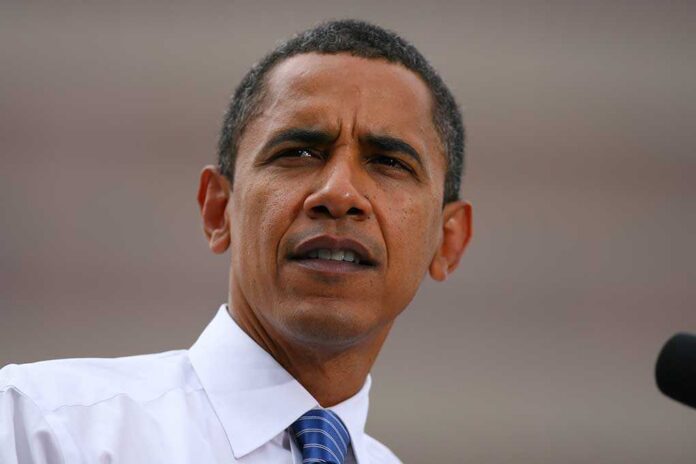
Barack Obama claimed Iran now holds “veto power” over the Strait of Hormuz, even as U.S. forces keep the waterway open and protected.
Story Highlights
- Obama said Iran gained “veto power” over Hormuz and stronger leverage since the conflict began.
- U.S. Central Command reported commercial traffic continues with coordinated protection from U.S. forces and partners.
- Shipping attacks and escorts rose, while oil flows dipped from late September to mid-October, adding costs and delays.
- Military officials said the strait remains open, the main routes are clear of mines, and most ships pass safely.
Obama’s Charge: Iran’s New “Veto” And A Shift In Leverage
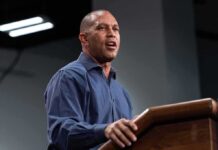
Barack Obama told rally crowds that Iran now has “veto power over the Strait of Hormuz,” and that Tehran is stronger than before the war. He tied the claim to attacks on allies and bases, American casualties, and strained missile stocks, arguing the conflict boosted Iran’s leverage over a global oil chokepoint. He also linked the situation to higher fuel costs, although he did not provide a detailed breakdown of price drivers in those remarks.
Obama’s “veto power” phrase was not defined. He did not say if it meant closure, selective strikes, or economic pressure. That matters. Words can shape how voters see risk, cost, and deterrence. Without a clear standard, the claim is hard to test. Supporters may hear “Iran can dictate terms,” while critics point to ongoing traffic as proof the claim overstates Iran’s hand.
What The Data And The Navy Report: Traffic Flows, But At Higher Risk
The British Broadcasting Corporation reported ship attack alerts near Hormuz reached a record, U.S. tanker escorts surged, and oil flows dropped from about 15 million barrels per day to about 12.6 million barrels per day from late September to October 13. Those facts suggest real friction. Escorts, rerouting, and insurance all add cost. That shows how Iran can raise the price of doing business, even if it cannot fully close the passage.
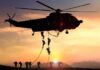
U.S. Central Command countered Obama’s framing with a clear message: the strait is open. Officials said commercial traffic continues under coordinated protection with regional partners. They said primary routes remain clear of Iranian mines, that more than 95 percent of ships pass safely, and that thousands of vessels have transited with assistance in recent months. This underscores the U.S. mission: keep commerce moving and deny Iran a true blockade.
Competing Messages: Political Heat Versus Operational Reality
Obama’s rallies aimed at voter sentiment during tight races. He blamed President Trump’s Iran policy for higher prices and greater Iranian leverage. He also criticized Defense Secretary Pete Hegseth by name, framing Republican leaders as “not serious” on strategy. That political angle raised the volume. But it did not settle what “veto power” means in practice or how much Iran can truly control daily traffic through Hormuz.
Military statements stressed concrete measures. Commanders reported mine-free main routes, rising escort operations, and steady transits. A U.S. Navy spokesman said most Iranian attacks failed and Iran had not closed the strait. That message pushes back on the idea of a functional Iranian “veto” over the corridor, while still acknowledging increased risk to commercial ships and crews.
Why It Matters For American Families And Energy Prices
The Strait of Hormuz is one of the world’s most important oil chokepoints. In 2024, about one-fifth of global petroleum use moved through that narrow lane, leaving little room for long detours. Any threat there can lift insurance costs, slow delivery, and ripple into pump prices. That is why U.S. protection, steady escorts, and mine-clearing assurances matter to every driver and small business in America.
Former US President Barack Obama criticized Trump’s war on Iran, questioning Washington’s claims of victory and warning of mounting consequences.
Key Takeaways
Obama challenged Trump’s claims of military success against Iran, citing American casualties, depleted missile… pic.twitter.com/BR7eIA8cby
— The Palestine Chronicle (@PalestineChron) October 25, 2026
Conservatives expect clear terms, not moving targets. The facts show two truths can hold: Iran can harass ships and raise costs, while the United States keeps the lane open and most vessels safe. Voters should demand precise goals and steady resupply to keep escorts strong. Precision beats slogans. America’s edge comes from control of the sea, not political jabs. The mission is simple: protect trade, deter aggression, and prevent any regime from taxing the world’s energy lifeline.
Sources:
redstate.com, aljazeera.com, newsweek.com, bbc.com, geo.tv, defence-industry.eu, chanakyaforum.com, bbc.co.uk, x.com, yahoo.com