
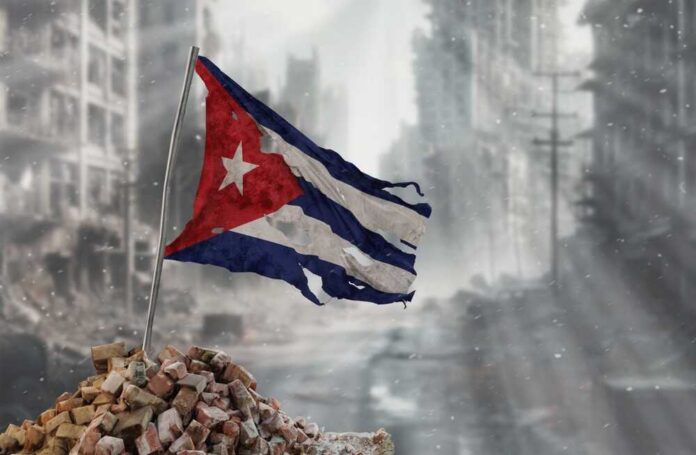
American leftist activists descended on communist Cuba for a luxury “solidarity” mission while the island nation suffered widespread blackouts and desperate citizens took to the streets in protest.
Story Snapshot
- CodePink organized a 140-person delegation to Cuba in March 2026, claiming to deliver humanitarian aid while Cubans endured island-wide blackouts and fuel shortages
- The trip coincided with over 160 protests across Cuba spanning 13 days, as citizens faced electrical failures and economic collapse
- The activist group framed their mission as defying President Trump’s embargo enforcement, calling U.S. policy “economic warfare”
- Cuban-Americans in South Florida organized counter-protests, condemning the delegation as propaganda support for the communist regime
Leftist Activists Journey to Communist Cuba Amid Crisis
CodePink, a progressive anti-war organization, coordinated a delegation of 140 Americans who departed Miami on March 20, 2026, bound for Havana. The group transported 6,300 pounds of medical supplies valued at $433,000, according to their own press releases. This mission represented part of a larger international convergence called the “Nuestra América Convoy,” which brought activists from Latin America, Canada, and Europe to Cuba. The delegation’s stated purpose was to deliver aid and protest what they characterized as an unjust U.S. blockade intensified under the Trump administration’s renewed sanctions policies.
Code Pink activists party in Cuba "to break the blockade," stay in 5-star hotels, hold concert as nation suffers island-wide blackouthttps://t.co/DPlcS9V5da
— The Post Millennial (@TPostMillennial) March 22, 2026
The timing of this activist delegation raised serious questions about priorities and political motivations. While CodePink representatives planned hospital visits, playground rebuilding, and mural painting, ordinary Cubans faced their 13th consecutive day of protests on March 19. According to human rights nonprofit Cubalex, over 160 demonstrations erupted across the island, with citizens banging pots, blocking roads in Havana, and lighting bonfires in desperation. The blackouts stemmed from fuel shortages that crippled the nation’s electrical grid, leaving hospitals struggling and vulnerable populations suffering. This contrast between activist activities and Cuban reality highlights the disconnect between ideological solidarity and ground-level suffering.
Trump Administration Policies and Embargo Enforcement
President Trump’s administration tightened enforcement of the decades-old Cuba embargo, particularly targeting fuel shipments that prop up the communist regime. These policies aim to pressure the Cuban government rather than punish citizens, though activists claim otherwise. CodePink co-founder Medea Benjamin denounced what she called a “depraved policy of economic warfare,” ignoring how the Castro regime’s economic mismanagement and authoritarian control created the crisis. The embargo exists precisely because Cuba remains a communist dictatorship that denies basic freedoms to its people. Trump’s approach recognizes that propping up failed socialist governments through trade only perpetuates oppression and poverty.
The activist delegation included Danny Valdes, founder of Cuban Americans for Cuba, who advocated for ending sanctions to promote “mutual prosperity” rather than “mass starvation.” This framing conveniently overlooks how the Cuban government controls all economic activity, hoards resources for the elite, and blames external forces for internal failures. Progressive International coordinated the broader convoy effort, positioning it as international outcry against U.S. policy. However, Cuban exiles in South Florida organized counter-protests, understanding that aid deliveries without regime accountability simply enable continued communist control. These divided responses reflect fundamental disagreements about whether engagement or pressure better serves the Cuban people’s long-term interests.
Questionable Optics and Propaganda Value
While CodePink’s press releases detailed planned activities including expert talks on U.S.-Cuba relations and agroecology, the delegation’s trip provided obvious propaganda value to the Cuban regime. As ordinary citizens protested blackouts and shortages, the communist government showcased international activists delivering aid and condemning American policy. This narrative allows the regime to deflect responsibility for economic collapse caused by socialist central planning, corruption, and authoritarian mismanagement. The activists’ mission, whether intended or not, reinforces the dictatorship’s claim that external enemies rather than internal failures cause Cuban suffering. This dynamic reveals how good intentions by progressive activists can inadvertently support oppressive governments.
Code Pink activists party in Cuba 'to break the blockade,' stay in 5-star hotels, hold concert as nation suffers island-wide blackouthttps://t.co/OsB6o6XBDX
— Jack Posobiec (@JackPosobiec) March 23, 2026
The delegation planned to return to the United States by March 23, with press availability promised through a WhatsApp media channel. Their $400,000-plus in medical supplies, solar panels, and menstrual kits represents a fraction of what free-market reform and property rights could generate for Cubans. Yet the activists focused their criticism on American policy rather than the communist system that trapped 11 million people in poverty for over six decades. This selective outrage demonstrates how ideological commitments blind progressives to the real sources of human suffering. Cuban-Americans who fled the regime recognize this reality, which explains their fierce opposition to missions that legitimize oppression while delivering minimal material relief.
Sources:
CodePink – Cuba Delegation Press Conference
CBS Miami – Cuba 13 Days of Protests and Humanitarian Aid from South Florida
CodePink – Cuba Delegation Press Release