
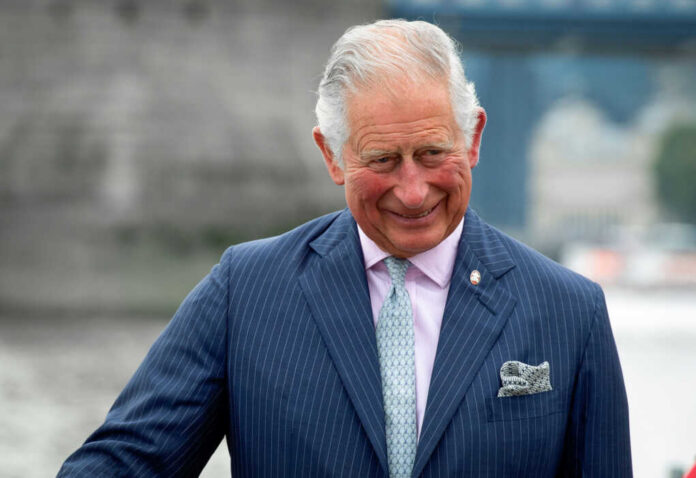
King Charles is walking into Washington as a living symbol of America’s break from Britain—while the “special relationship” strains under war, NATO tensions, and raw political distrust.
Story Snapshot
- King Charles III and Queen Camilla begin a U.S. state visit on April 27, 2026, hosted by President Donald Trump at the White House.
- The visit lands during America’s 250th anniversary season, underscoring both shared heritage and the irony of America’s founding revolt.
- Polling in the U.K. shows significant public opposition, with a YouGov survey reporting 49% favor canceling the visit.
- Recent friction points include the U.S. approach to the Iran conflict, NATO burden-sharing pressures, and a reported Pentagon email referencing a Falklands review.
A Symbolic Visit With High Diplomatic Stakes
King Charles III arrived in the United States on April 27, 2026, for a state visit that places ceremony on top of real geopolitical stress. President Donald Trump is hosting the King and Queen Camilla at the White House, with public events expected to include a formal state dinner and other diplomatic engagements. The Palace has framed the trip as an effort to “reaffirm and renew ties” at a moment when U.S.-U.K. coordination is under visible strain.
Royal state visits are designed to be “soft power,” but they also create hard political pictures: handshakes, toasts, and joint statements that can be read as endorsements. That reality helps explain why the trip is controversial in Britain and closely watched in Washington. For the White House, the visit offers a chance to project stability and continuity with a key ally. For the monarchy, it is a test of staying above politics while still serving national interests.
Why This Trip Is Unusually Fraught in 2026
Reporting tied to the visit describes multiple pressure points weighing on U.S.-U.K. relations, especially disagreement and anxiety around America’s posture toward Iran and broader transatlantic security. Commentary also highlights the strain that comes when Washington signals a tougher line on alliance commitments, including expectations around NATO. Even when leaders insist the alliance remains strong, the underlying question is whether shared strategy still exists—or whether the relationship is becoming increasingly transactional.
A separate flashpoint surfaced through accounts of a leaked Pentagon email referencing a review connected to the Falklands. The details and context of that message have been reported as part of a broader dispute over support for U.S. policy, and it has stirred concern because the Falklands remain a sensitive sovereignty issue for the United Kingdom. When allied diplomacy starts to include leverage that touches territorial questions, trust can erode quickly—even if no formal policy change follows.
Public Backlash in Britain—and the Risks of Optics
British public sentiment has become part of the story. A YouGov poll dated March 26, 2026, found 49% of Britons favored canceling the visit, compared with 33% who opposed cancellation. Other reported indicators include large volumes of letters urging Buckingham Palace to call the trip off. For Americans who already suspect elite institutions operate on their own track, the backlash reinforces a familiar theme: high-level pageantry can feel disconnected from what ordinary citizens want.
Some commentary has also focused on personal dynamics, including claims about the King’s private feelings toward Trump. Those assertions are difficult to verify from the outside, and the strongest factual point remains procedural: the visit is happening, and the Palace appears committed to executing it smoothly. If Charles projects neutrality and discipline, that may be the only workable approach. A monarch cannot argue policy, but he can try to prevent public theater from turning into long-term diplomatic damage.
America’s 250th Anniversary Irony—and What Each Side Wants
The timing carries unavoidable symbolism. America is approaching its 250th anniversary, and a British monarch’s prominent presence naturally invites historical reflection on independence, self-government, and national sovereignty. For conservatives, those themes resonate with today’s debates over border security, defense readiness, and whether global institutions constrain American decision-making. For liberals, the same moment can highlight anxieties about nationalism and power. Either way, the optics place extra pressure on every gesture made during the visit.
Still, the practical purpose is straightforward: preserve strategic cooperation between two countries that share deep intelligence, defense, and economic ties. The U.S. and U.K. can disagree sharply and still need each other on deterrence, technology, and global stability. If the visit produces even a modest reset in tone—without masking real disagreements—it may help prevent short-term disputes from hardening into long-term alienation. That outcome matters more than the ceremony.
Sources:
this-is-why-king-charles-is-mad-to-visit-trump