
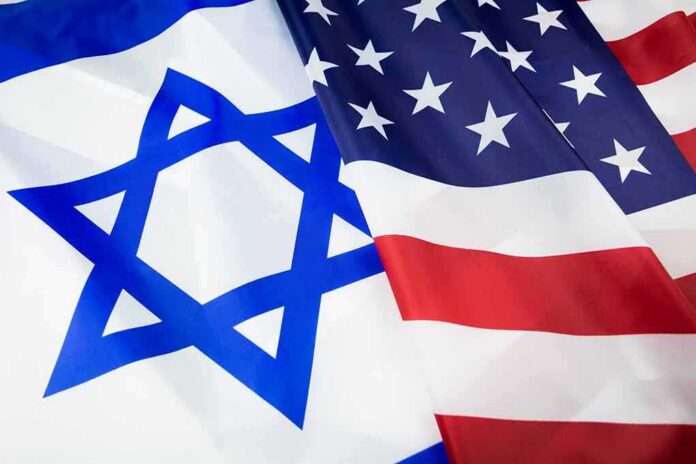
Israel’s deadlocked election keeps U.S. military aid on course through 2028, locking American taxpayers into a standing deal unless Congress changes it.
Story Snapshot
- Israel’s vote produced no majority, making rapid policy shifts unlikely.
- A 2016 U.S.-Israel agreement funds $38 billion in aid through FY2028, pending Congress.
- Likud remains Israel’s largest party, preserving leverage for continuity.
- Any post-2028 aid needs new U.S. appropriations and likely a new deal.
Israel’s Split Result Points to Policy Continuity
Election results in Israel left no bloc with a ruling majority, signaling short-term continuity in defense ties. Final counts showed Prime Minister Benjamin Netanyahu’s bloc at 53 seats, the opposition at 48, and Arab-led parties at 19, short of the 61 needed to govern. Reporting identified Likud as the largest party. That status keeps Netanyahu’s bargaining position intact and limits a sudden swing in security policy while coalition talks unfold.
U.S. policy toward Israel rests on institutions that outlast any one election. When a parliament is divided, leaders tend to avoid risky breaks in national security. Coalition deals take time. Parties trade posts and priorities. Defense policy usually stays steady during talks. That dynamic, paired with existing U.S. commitments, points to continued aid deliveries under current law while Israel sorts out who will lead day to day.
The 2016 Aid Deal Still Drives Funding Through FY2028
A standing memorandum of understanding signed in 2016 set a $38 billion aid package for fiscal years 2019 through 2028. That includes $33 billion in Foreign Military Financing and $5 billion for missile defense. The Congressional Research Service says every dollar still depends on Congress each year. The deal frames the plan and guides requests, but lawmakers write the checks. That means the program continues unless Congress decides to change course.
This structure has guided U.S.-Israel aid for decades. Successive ten-year understandings shaped levels and planning across multiple governments. That history explains why markets and ministries plan on continuity. It does not mean the next phase is automatic. After September 30, 2028, aid needs fresh appropriations and likely a successor agreement to replace the expiring one. Congress can adjust terms, set conditions, or trim amounts if priorities change.
What a Hung Knesset Means for U.S. Taxpayers
Coalition math in Israel matters for tone but not for America’s bottom line this year. With no clear winner, leaders must strike deals. Netanyahu’s Likud holds the most seats, which helps him shape talks, but still needs partners to pass budgets and laws. Even if the opposition assembles a coalition, quick moves to undo core security ties are unlikely. Most Israeli governments keep defense links with Washington stable during handovers.
For U.S. taxpayers, the key lever sits in Congress. The memorandum of understanding lays out intent, but it is not a treaty. Lawmakers can maintain, modify, or condition aid in the next funding cycles. That power gives Americans a say through their elected representatives. As the 2028 deadline nears, debates will likely focus on accountability, mission clarity, and value for money, consistent with past reviews of foreign aid programs.
Sources:
cnbc.com, cnn.com, france24.com, cbsnews.com, congress.gov, obamawhitehouse.archives.gov, edition.cnn.com