
Andrew Tate’s lawyer says the jailed influencer is “very sick” after 95 days in a damp Miami cell, and that repeated requests for medical care went unanswered.
Story Snapshot
- Tate’s attorney says Tate is very ill and has received no medical treatment in federal detention.
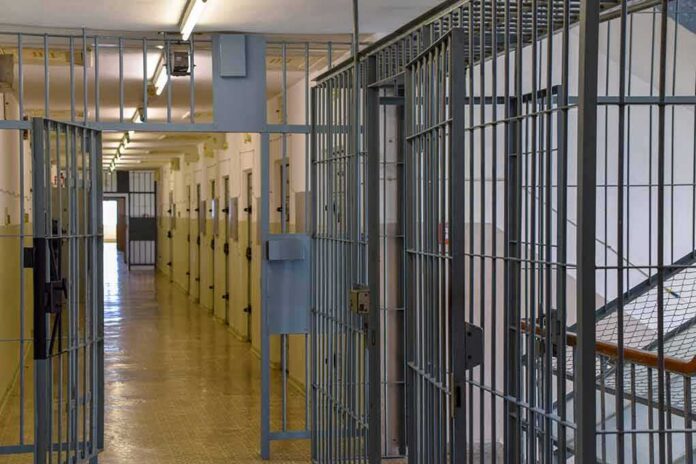
- Reports describe about 95 days in a damp cell at the Federal Detention Center in Miami.
- The lawyer publicly asked supporters to pray and warned of possible legal action.
- Media outlets repeated the claim within days, creating a record of the allegation.
Attorney’s Public Claim About Health And Medical Care
Attorney Joe McBride posted on X on October 21, 2026, that Andrew Tate is “very sick,” citing 95 days in a damp cell and saying Tate asked for medical treatment multiple times but got none. McBride’s post framed the issue as a pressing health problem inside detention. Outlets quickly carried his words and highlighted his request for prayers. The core claim tied Tate’s condition to the cell environment and to alleged unanswered medical requests.
Coverage identified the Federal Detention Center in Miami, Florida, as the site of confinement. Reports echoed the timeline of roughly 95 days and described the cell as damp. They also repeated the allegation that medical requests went unanswered. These details formed the backbone of follow-on reporting across several outlets after McBride’s post, preserving a clear contemporaneous record of what he alleged on Tate’s behalf.
Contemporaneous Reporting And What Is Known
Major and regional outlets reported McBride’s statement over October 22 to 24, quoting his language and including the prayer appeal. This included the New York Post and other publications that summarized the claim and set it in the Miami detention context. Extra.ie also published the allegation, noting the timeline and the reported lack of treatment. These articles fixed the claim in time and place and gave it wide exposure within days.
The reports did not identify a diagnosis, symptoms, or a named clinician. They did not publish medical records or treatment notes. The accounts centered on the attorney’s words and the detention setting, which is common when privacy rules limit details. The allegation remains that requests for care were made and not met, and that the damp cell may have worsened his health. That is the claim as covered in the public record to date.
Detention Health Duties And Constitutional Standards
United States law requires jailers to provide adequate medical care. Courts have long held that deliberate indifference to serious medical needs violates constitutional protections. That standard applies to those held before trial and those serving sentences. It bars officials from ignoring known, serious risks to a person’s health while in custody. These principles frame any dispute over timely access to doctors, medicine, or needed tests for people behind bars.
🚨 NEWS: Andrew Tate is reportedly seriously ill in a Miami prison and has repeatedly been denied medical treatment, according to his lawyer.
Attorney Joe McBride claims Tate, 39, has spent more than three months in confinement at the Federal Detention Center in Miami and has… pic.twitter.com/uNm0QhYRtK
— British Intel (@TheBritishIntel) October 23, 2026
The legal backdrop explains why medical access in detention draws fast attention. If an inmate reports illness and says treatment is denied, the question becomes whether staff knew about a serious risk and failed to act. Records such as sick-call logs, triage notes, and responses usually answer that. When those are not public, advocacy statements drive early coverage. That is why McBride’s post, the timeline, and the cited cell conditions are central to this story.
What Comes Next And Why It Matters
Defense counsel can seek medical records and ask a court to order an evaluation if needed. A judge can require a status report or review care under seal. Those steps can confirm what requests were made and when. They can also check whether the cell conditions played a role. Clear records would show if treatment was offered, delayed, or denied. That process protects due process and basic human dignity for anyone in government custody, no matter how polarizing the case.
Sources:
nypost.com, the-express.com, puterea.ro, ibtimes.sg, law.justia.com