
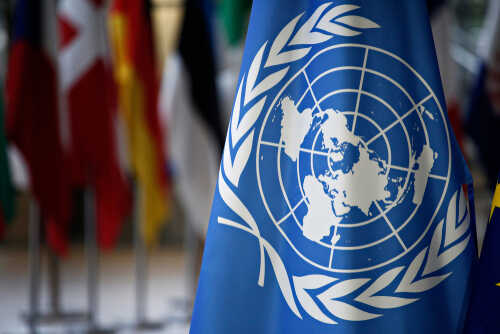
President Trump’s nomination of battle-hardened Congressman Mike Waltz as U.S. Ambassador to the United Nations marks a direct assault on globalist complacency, signaling a ruthless recalibration of American power with immediate fiscal and diplomatic consequences.
At a Glance
- President Trump nominates Congressman Mike Waltz as U.S. Ambassador to the UN.
- The administration is slashing funding for underperforming UN agencies.
- Trump demands NATO allies increase their defense spending obligations.
- A fierce Senate confirmation battle over Waltz is imminent.
- The UN faces mounting pressure to reform or risk irrelevance.
Trump’s New UN Strike: Power, Cash, and Control
Trump’s decision to elevate Mike Waltz—a decorated Green Beret turned congressman—is a declaration of war on the entrenched diplomatic elite at the UN. Waltz’s nomination, unveiled just weeks before the 80th UN General Assembly, is more than a personnel change: it’s a pivot point in dismantling decades of multilateral indulgence. The White House made clear that this is about results, not rituals, with Waltz tasked to execute a fiscal and ideological purge across UN operations.
Watch a report: Breaking Down Mike Waltz’s Nomination to U.N. Ambassador.
The administration’s foreign policy blueprint, deeply influenced by Trump’s first-term recalibration efforts, includes targeted defunding of agencies like the UN Relief and Works Agency (UNRWA) and the controversial Human Rights Council, both lambasted for anti-Israel bias and mismanagement. As Trump’s emissary, Waltz has been instructed to end “checkbook diplomacy,” ensuring U.S. dollars only support missions that align with clear American interests.
Globalists on the Defensive, Allies on the Hook
Trump’s America First doctrine has left global institutions in turmoil. The president has demanded NATO partners step up funding and take direct responsibility for regional security crises, particularly in Ukraine and Eastern Europe. This hardline stance recalibrates the power balance within the alliance, where historically, U.S. troops and dollars filled gaps left by reluctant European nations.
Waltz’s military credentials are seen as the perfect antidote to UN bureaucracy, positioning him to challenge adversaries like China and Russia inside international forums. Trump’s administration has vowed to thwart globalist schemes that endanger U.S. sovereignty, pursuing a transactional diplomacy that prioritizes outcomes over optics. The Senate confirmation process is shaping up as a flashpoint, with progressive coalitions warning of humanitarian fallout from proposed budget cuts, while Trump allies dismiss such concerns as scare tactics.
UN Panic Mode: The End of Business as Usual?
In Turtle Bay, panic is spreading among diplomats and UN leadership. Fears of funding collapses and waning U.S. engagement have stirred a lobbying frenzy in Washington, where Democrats and some Republicans seek to safeguard international commitments. Trump’s cabinet, however, is pressing forward with dismantling Biden-era foreign aid programs, curtailing refugee admissions, and demanding fiscal accountability from global partners.
The global reset Trump envisions is unmistakable: conform to America’s new terms or face isolation. Allies are already retooling strategies to navigate an unpredictable Washington, while adversaries recalibrate their tactics to confront a more assertive, less conciliatory United States.
As the Senate prepares for the bruising battle over Waltz’s confirmation, the implications are clear: the United Nations and the international order it represents are on notice. The United States is no longer footing the bill for policies that dilute its power, and under Trump’s command, it will be America First—on every front, every time.