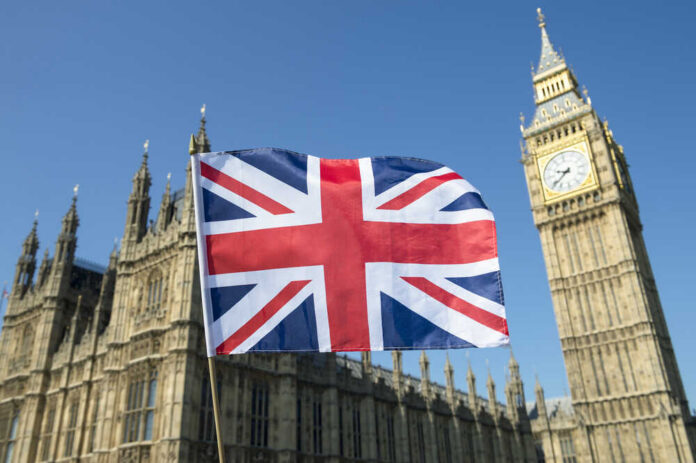
The U.K. is openly exploring rules to tilt social media algorithms toward state-approved “trusted” outlets, raising fresh alarms about government control over what people see online.
Story Snapshot
- The U.K. government has launched a media green paper that could force platforms to boost BBC-style “trusted news.”
- Major social media companies would be pressured to rewrite feeds and search so government-regulated media appears first.
- The plan comes right after a sweeping social media ban for under-16s, signaling a broader push to control the online space.
- Critics warn this model of “prominence” is a threat to free speech, independent creators, and true media pluralism.
UK Pushes “Trusted News” To The Front Of Your Feed
The United Kingdom’s Department for Culture, Media and Sport has published a green paper that lays out plans to force social media companies to make government-regulated news easier to find. Under this plan, platforms like Facebook, YouTube, and TikTok would be required to adjust their algorithms so that content from public service broadcasters such as the BBC, ITV, Channel 4, and other approved providers is boosted in feeds and searches. Officials say this is needed to fight misinformation, especially during crises.
The culture minister Lisa Nandy argues it is “vital” that people have better access to what she calls trusted and accurate news. Her department frames the idea as part of a wider overhaul to help traditional broadcasters compete with streaming platforms and changing viewing habits. On paper, this sounds like simple consumer protection. In reality, it means the government would lean on private companies to reshape what millions of users see first when they open social media, giving special status to outlets that are already closely tied to the state.
From Child Safety To Content Control: A Fast-Moving Agenda
This “trusted news” plan does not stand alone. It arrives right on the heels of the Labour government’s landmark decision to ban most social media for under-16s, with enforcement aimed at major platforms that host user-generated content. The same policy push includes strict age checks, curfews for teens, and default blocks on features like livestreaming and stranger contact, backed by the Online Safety Act’s duty of care language. Together, these measures show a clear pattern: London is moving fast to regulate not just how children use the internet, but how information itself flows online for everyone.
Supporters say the child ban and new media rules are needed to protect kids and clean up online spaces. Bereaved parents and many worried families have shared painful stories of harm linked to social media challenges and bullying. But there is still no hard evidence that blanket bans or feed control will fix deeper mental health issues, and experience from other countries shows teens often dodge restrictions using virtual private networks or fake IDs. As the list of powers grows, civil-liberties groups warn that a safety agenda can quietly turn into a control agenda.
What “Prominence” Means For Free Speech And Independent Voices
Making “trusted” outlets prominent may sound harmless, but it has serious consequences for free speech and media diversity. When the state defines which news providers are trustworthy, then orders platforms to boost them, it tilts the playing field against smaller, independent, and often dissenting voices that challenge official narratives. Groups like the Electronic Frontier Foundation have already warned that the broader Online Safety framework is a “massive threat” to privacy and speech, because it invites always-on monitoring and heavy-handed content control in the name of safety.
The UK wants to mandate special treatment for state media on social platforms—because nothing says "free press" like government-enforced prominence. This should concern anyone who values independent journalism. #FreeSpeech #MediaFreedom #UK #PressFreedomhttps://t.co/iRPReM5ZLB
— @GlobalRightWatch (@AutonomusRepost) July 6, 2026
For conservative readers, the concern is clear. If this model spreads, the same logic could be used to push left-leaning outlets, suppress criticism of globalist policies, or bury hard questions about spending, borders, and cultural issues. Social media has given ordinary people a way around legacy media gatekeepers. Government-managed “prominence” risks turning those feeds back into a top-down broadcast system, where approved voices get the spotlight and everyone else fights the algorithm for scraps.
Why Americans Should Pay Attention
Some may see this as a distant British fight, but ideas move fast across the Atlantic. Policy trackers already show a growing number of countries exploring teen social media bans and tighter content rules, often citing the same child-safety and misinformation talking points. In the United States, many blue-state politicians and federal bureaucrats watch these experiments closely and may try to copy them under different names, such as “algorithmic responsibility” or “trusted information labeling.” Once that door opens, it is hard to close.
American conservatives have long warned about the danger of government working hand in glove with big tech and big media. The U.K. debate is a live example of that risk. When politicians get to define which outlets count as trusted and then reshape online platforms around that list, it threatens the open marketplace of ideas that the First Amendment was written to protect. That is why it matters to follow these moves now, before similar “consultations” and “green papers” show up in Washington and start chipping away at genuine viewpoint diversity.
Sources:
reason.com, cnbc.com, smartphonefreechildhood.org, bbc.com, gov.uk, youtube.com, reddit.com, amnesty.org, frontiersin.org, pmc.ncbi.nlm.nih.gov