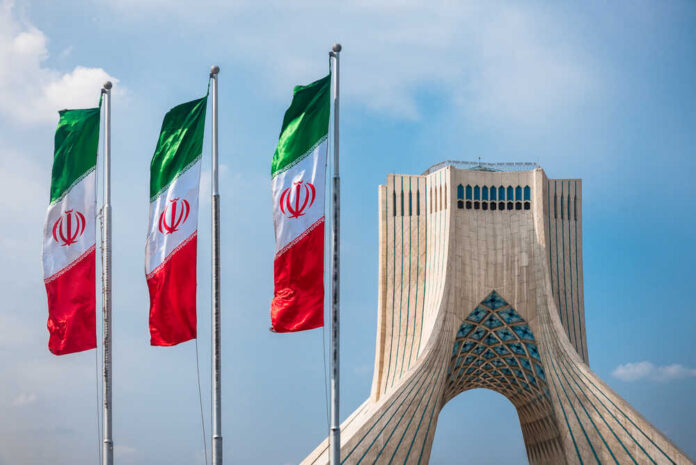
President Trump revealed Iran has desperately reached out seeking a deal after devastating U.S. military strikes obliterated the regime’s offensive capabilities, but dismissed their overture as “a bit late” while urging Iranian officials to defect.
Story Highlights
- Trump confirms Iran contacted U.S. for negotiations after losing 24 naval vessels, 60% of missile launchers, and entire air defense network in recent strikes
- President offers immunity to Iranian Revolutionary Guard members and diplomats willing to defect and help build a “new Iran”
- U.S.-Israeli operations completed asset destruction “far ahead of schedule,” neutralizing Tehran’s ability to threaten American allies
- February 2026 executive order authorized economic tariffs against nations trading with Iran, tightening pressure on the regime
Iran’s Desperate Plea Falls on Deaf Ears
President Trump disclosed on March 5, 2026, during a White House event that Iranian officials contacted the United States asking “How do we make a deal?” following catastrophic losses to their military infrastructure. Trump rejected the timing of Iran’s outreach, stating the regime waited too long after years of sponsoring terrorism, developing nuclear weapons, and targeting American forces through regional proxies. The President emphasized that negotiations would not proceed while Tehran’s leadership remains intact, contrasting Iran’s sudden eagerness for talks with their previous aggression toward U.S. allies across the Middle East.
Unprecedented Military Success Cripples Iranian Threat
U.S. and Israeli forces destroyed Iran’s offensive capabilities at levels never before witnessed in modern warfare. Within just three days preceding Trump’s remarks, coalition strikes sunk 24 Iranian naval vessels, eliminated 60-64% of missile launchers, neutralized drone facilities, demolished anti-aircraft systems, and destroyed key airplanes. The operations also targeted Iran’s communications infrastructure, leaving the regime unable to coordinate defensive responses. Trump noted these achievements came “far ahead of schedule,” demonstrating American military superiority and the effectiveness of coordinated action with Israel against state sponsors of terrorism threatening regional stability.
Maximum Pressure Campaign Reaches Critical Phase
The current military operations build upon Trump’s restored “maximum pressure” strategy following his 2024 reelection. In June 2025, Operation Midnight Hammer successfully destroyed Iranian nuclear facilities, denying Tehran’s path to atomic weapons. The administration deployed a massive naval armada to the Middle East and signed a February 2026 executive order authorizing tariffs on countries trading with Iran, economically isolating the regime. These measures reversed the failed policies of the previous administration, which allowed Iran to enrich uranium, fund terrorism, and oppress its own citizens while negotiating toothless agreements.
Defection Offer Targets Regime Collapse From Within
Trump made an unprecedented direct appeal to Iranian Revolutionary Guard members, military personnel, police officers, and diplomats to abandon the regime in exchange for immunity and assistance in building a democratic Iran. The President promised that once the current leadership falls, the Iranian people would face no threats from the United States. This strategic messaging exploits internal fractures within Iran, where citizens have protested the regime’s prioritization of nuclear weapons and proxy wars over domestic infrastructure and economic welfare. Trump contrasted America’s readiness to defend itself with Iran’s desperation, noting the regime squandered resources on failed aggression.
The military campaign demonstrates what decisive American leadership achieves when protecting national security interests and defending constitutional values against hostile regimes. Iran’s weakened position validates Trump’s approach of strength over appeasement, ensuring regional allies like Israel, Saudi Arabia, Qatar, and the United Arab Emirates can operate without facing Iranian missile threats. The combination of kinetic operations, economic isolation through tariffs, and psychological warfare calling for defections represents comprehensive strategy absent during the Biden years of weakness that emboldened adversaries worldwide.