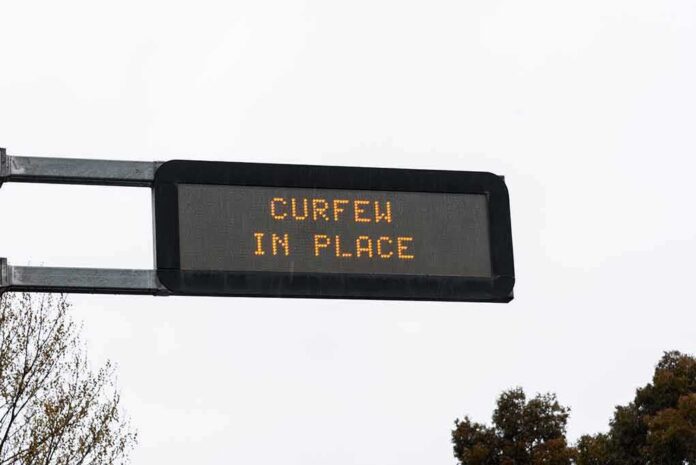
Cape May’s leaders moved fast to stop late-night fights and teen drinking with a unanimous emergency curfew and beach restrictions.
Story Highlights
- Cape May City Council unanimously approved an emergency curfew and beach rules.
- Police requested action after incidents with teens blocking walkways and an assault.
- Rules include an 8 p.m. beach cutoff for unaccompanied minors and a 10:30 p.m. curfew.
- Exceptions cover teens going to work or with a parent, and first-night enforcement was smooth.
Council Enacts Emergency Curfew After Disorder Reports
Cape May City Council voted unanimously to adopt a stricter juvenile curfew and new beach limits in an emergency ordinance. The action followed a series of summer incidents involving teens, including reports of fighting, smoking, drinking, and a large crowd blocking the Promenade. Police said the move aimed to restore order before Cape May became an “after party” stop for youths pushed from nearby towns with curfews. Local television outlets reported the unanimous vote on August 13–14, 2026, confirming the new rules took effect at once.
Police leaders framed the ordinance as prevention, not exclusion, stressing accountability and safety for families. Police Chief Dekon Fashaw Sr. said officers are “not against juveniles” but want them to act responsibly while visiting the shore. The curfew builds on Cape May’s older rules and tightens late-night boundaries. City leaders linked the policy to public safety rather than tourism optics. Regional reporting described it as a response to real conditions raised by law enforcement and residents concerned about late-night crowds.
What the New Rules Do and Who Is Exempt
The ordinance sets a nightly curfew for anyone under 18 beginning at 10:30 p.m., with targeted exceptions. Teens traveling to or from a job and those with a parent or legal guardian are exempt. The city also imposed an 8 p.m. cutoff for unaccompanied minors on the beach and restricted backpacks and similar containers on the Promenade after evening hours to reduce crowding and manage items that can fuel disorder. These practical carveouts show an effort to focus on problem behavior without sweeping in normal family activity.
Cape May already had a juvenile curfew on the books, with different seasonal hours. The city’s code barred minors from public places between 11 p.m. and 6 a.m. in winter and midnight to 6 a.m. in summer. The new ordinance tightens those timelines and adds specific beach and bag rules. That shift lets officers intervene earlier in the evening, when groups tend to swell, and supports faster responses to walkway blockages or rowdy behavior near the shore’s busiest spots.
Police Cite Recent Incidents and Early Compliance
Police asked for the emergency action after a July night when a large group gathered first on the beach and then on the Promenade. The crowd blocked pedestrian traffic, an assault occurred, and one person vomited on the Promenade, according to reports summarizing the department’s account. Officers also cited underage drinking and smoking among teens. On the first night of enforcement, officers told some youths to leave, and they complied without incident, showing the rules can work in practice.
Officials said they want to avoid displacement from other shore towns turning Cape May into a late-night magnet. As more Jersey Shore communities adopt curfews, teens can move from one boardwalk to the next looking for looser rules. The city’s earlier cutoff aims to break that pattern before trouble builds. By joining the broader curfew trend, Cape May gives officers a clear tool to address gatherings before they spiral and to keep paths clear for families and seniors out for an evening walk.
Public Safety Rationale and How This Fits the Bigger Picture
NBC Philadelphia reported the council acted to “enhance public safety,” reflecting a common approach in beach towns where late-night disorder can snowball. A clear rule, early hour, and visible presence can deter the worst behavior. That said, research on juvenile curfews is mixed on crime reduction. Some systematic reviews find little effect overall, while others see localized gains, especially around injuries or crowd control. Cape May’s design focuses on specific places and times, which may improve results.
Cape May is enforcing an 8 p.m. beach access ban for unaccompanied minors and a 10:30 p.m. curfew for those under 18. This measure follows similar actions by other Shore towns as they address issues related to disruptions from late-night youth gatherings. pic.twitter.com/7JRHH2H23A
— News Now (@NewsNowUS) August 16, 2026
City leaders chose targeted exceptions and a firm but simple structure, which makes enforcement easier and fairer. Parents keep the lead role when they are present. Teens who work late can still get home. Police gain a clear way to disperse crowds before fights start. For a family resort town, that balance matters. Cape May tightened existing tools, answered complaints, and moved to protect walkways and beaches so residents and visitors can enjoy calm evenings this summer.
Sources:
facebook.com, 6abc.com, cbsnews.com, nj.com, fox29.com, 973espn.com, whyy.org, capemay.com