

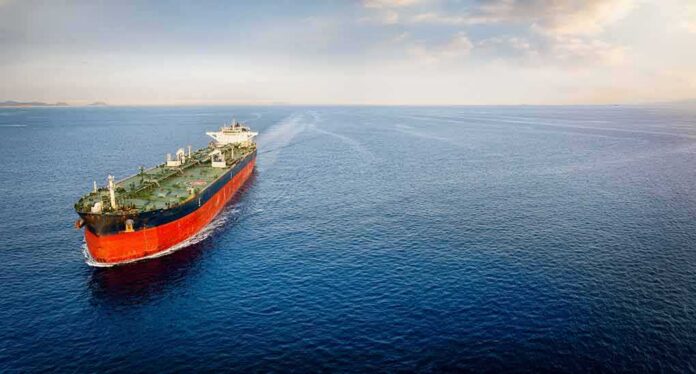
The Houthis say no ship may load or unload at Saudi ports and warn they can strike targets anywhere within reach, putting a key oil route at risk.
Story Snapshot
- Houthis declare a ban on vessels serving Saudi ports and threaten attacks on violators.
- Reports describe a maritime blockade as ships reroute and some tankers make U-turns near Yemen.
- Attacks on Saudi-linked tankers and reduced Red Sea traffic show real disruption beyond rhetoric.
- European Union warns the threat endangers freedom of navigation and global trade.
What the Houthis Announced and Why It Matters
Reuters and other outlets reported that Yemen’s Houthi group declared a maritime blockade on Saudi Arabia and told shippers that vessels are banned from loading or discharging cargo at Saudi ports. The warning added that ships could be targeted anywhere within the group’s reach. That message hits a vital artery because Saudi oil and goods move through the Red Sea and the Bab el-Mandeb Strait when the Strait of Hormuz is strained.
European Union diplomats called the threats a dangerous escalation and said navigation must be unimpeded in both the Red Sea and the Strait of Hormuz. Their statement underscores that this is not only a Saudi problem but a direct strike at global shipping norms and energy security. When freedom of navigation is threatened, insurance costs jump, routes stretch, and working families feel it at the pump and in store prices.
Evidence of Disruption on the Water
Journalists and maritime trackers reported quick changes at sea after the Houthi notice. The BBC said at least seven oil tankers made U-turns near Yemen. Additional reporting showed several tankers taking detours, and ship traffic through Bab el-Mandeb fell after attacks in the area. These actions show shipowners see the risk as real and are changing course to protect crews, hulls, and cargoes.
Associated Press and other outlets reported Houthi claims of attacks on two Saudi oil tankers in the Red Sea, with fires aboard, and described a broader campaign that could further disrupt oil supplies and trade. While not every claimed interdiction is independently confirmed, the pattern of strikes, warnings, and vessel rerouting signals an operational threat that goes beyond propaganda alone.
Energy Stakes and U.S. Interests
Analysts warned that a sustained threat could pinch Saudi exports and tighten a market already stressed by conflict around the Strait of Hormuz. Reuters noted U.S. officials saw the potential for an additional hit to global oil supply if the blockade bites. That risk means higher energy prices, higher shipping costs, and more inflation pressure. American drivers, farmers, and small businesses would pay first when sea lanes are not secure.
The Red Sea campaign follows a clear pattern: armed groups use targeted attacks and public threats to force ships to avoid chokepoints. That tactic can create outsized disruption without physically sealing the waterway. When insurers raise war-risk premiums and operators reroute, costs soar. The result feels like a closure even when traffic remains possible, which is exactly why freedom of navigation must be defended with clarity and strength.
What to Watch Next for U.S. Households
Energy watchers will track whether loadings at Saudi Red Sea terminals slip, whether more tankers turn back, and whether insurers raise rates again. If rerouting around Africa expands, the added days at sea could push fuel and consumer prices higher. Even small delays ripple through supply chains. President Trump’s team faces pressure to keep sea lanes open, back allies, and avoid wider war—all while keeping fuel affordable for American families.
"All recent Yanbu crude loadings conducted without AIS signals
Dark voyages create wide discrepancies in Saudi export estimates
Saudi crude loadings from Egypt's Sidi Kerir hit record: Vortexa.Saudi crude exports from the Red Sea are increasingly vanishing from view as…
— Zoraida Sánchez (@Pettunia14) August 12, 2026
This is a test of resolve and common sense. The Houthis threatened ships tied to Saudi trade, and some vessels changed course fast. The European Union warned the world about the danger to navigation. If the threat drags on, U.S. consumers will feel it. Strong, lawful protection of shipping and a clear message that attacks on commerce carry consequences are the best ways to shield American wallets and uphold the rules that keep trade moving.
Sources:
19fortyfive.com, theguardian.com, aljazeera.com, reuters.com, pbs.org, bbc.com, cnbc.com, apnews.com, eeas.europa.eu, nytimes.com