California’s new “anti-interference” laws criminalize ballot and equipment seizures and curb police access at polls, raising fresh First Amendment and oversight alarms.
Story Snapshot
- Governor Gavin Newsom signed 13 election bills that add new felonies and curb law enforcement near voting sites.
- Key measures make it a felony to seize ballots or voting technology before certification.
- Critics say the package chills oversight and duplicates crimes already on the books.
- A federal court already blocked California’s deepfake speech law as unconstitutional.
What Newsom Signed and What It Does
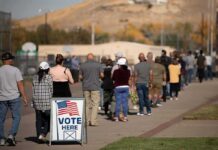
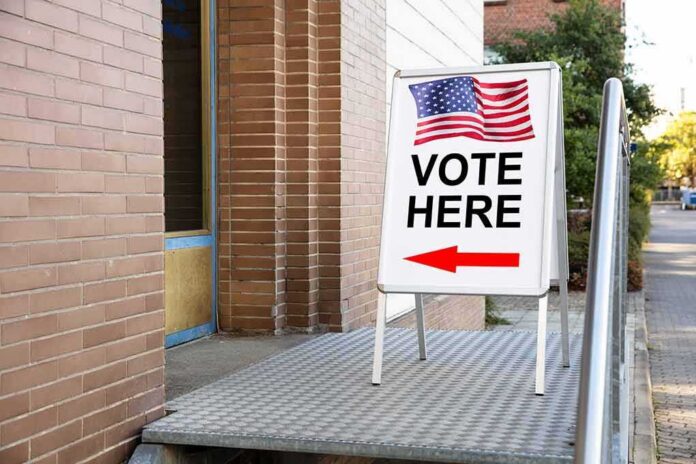
Governor Gavin Newsom signed a package of 13 election bills that he framed as protection against “Trump interference,” adding felony penalties and new limits around voting locations. Reports say the laws make it a felony to seize ballots or voting machines before certification, expand early ballot drop-off sites, and restrict police activity near polling places statewide. An outline of the package highlights a bill that criminalizes seizure of ballots and election technology and tightens rules on interference with mail ballots.
Senate Bill 73 and related measures restrict unauthorized law enforcement access to polling places and ballot handling areas, while still allowing access with a court order. Coverage describes felony penalties for taking possession of voting equipment before results are certified and bans on military personnel at voting locations. Backers argue these steps guard against intimidation and preserve orderly voting. Legal summaries stress the court-order exception but confirm broader access limits at voting sites.
Why Conservatives See Speech and Oversight Risks
California’s push to police “deceptive” election content has already hit a constitutional wall. A federal court permanently blocked the state’s 2024 deepfake law, holding it violates the First Amendment. That ruling undercuts claims that California can broadly regulate campaign speech, even if officials say they are fighting disinformation. The decision warns that content-based limits on political expression face strict scrutiny and usually fail when not tied to clear, narrow harms.
Critics argue the new ballot-seizure felony duplicates existing crimes and functions more as a political message than a needed tool. They also say the package reframes oversight as “interference,” which can chill lawful observation and quick action when something looks wrong. Reports highlighting the intent to limit law enforcement access near election sites fuel those concerns, even with court-order carveouts. That framing suggests officials, not outside checks, decide when scrutiny is allowed.
How the “Trump Interference” Frame Shapes the Laws
Newsom’s messaging centers on stopping “Trump’s attacks” and shielding California from federal pressure. That narrative appears across official statements and press reports describing the new felonies and restrictions at polls. The emphasis on a partisan threat risks turning neutral election administration into a political cudgel. When state leaders link criminal penalties to one figure, they invite legal challenges and deepen doubts about viewpoint neutrality in enforcement.
Reports also stress expanded drop-off locations and multilingual voting materials. Supporters say these steps improve access. Opponents note California already allows widespread mail voting and third-party ballot return, which raises chain-of-custody questions. By adding crimes for “interference” while broadening unattended ballot handling, the package may harden the system against audit-style checks but still leave room for weak custody controls. That tension, not fully resolved in the texts, is why skeptics remain wary.
What to Watch Next: Courts, Cops, and Poll Workers
Courts will likely review parts of the package, especially any rule that touches core political speech or that unduly burdens observers and law enforcement. The recent injunction against the deepfake law is an early signal. County officials must now train poll workers on where law enforcement can and cannot go, and how to respond to urgent requests. Clear protocols and quick access to judges for warrants will matter when time-sensitive issues arise on Election Day.
For voters and local volunteers, the stakes are basic: secure ballots, open oversight, and speech rights intact. Laws that deter true intimidation and tampering help. But laws that chill scrutiny or police political expression backfire. California’s package tries to lock doors against one named foe. Our Constitution demands neutral locks that guard everyone’s rights the same way, no matter which party holds power. That is the test these measures will have to pass in practice and in court.
Sources:
redstate.com, gov.ca.gov, latimes.com, socialnews.xyz, forth.news, californiaglobe.com, brennancenter.org, courthousenews.com