
A media figure escalated debate by calling Elon Musk a “traitor” over Starlink limits in Ukraine, even as facts show a contested contract dispute, not treason.
Story Highlights
- NYU’s Scott Galloway labeled Musk a “traitor,” invoking Cold War spy executions.
- Musk confirmed SpaceX restricted some Starlink functions in Ukraine during one week.
- Musk said Ukraine used civilian Starlink for offensive drone strikes, violating terms.
- Ukrainian officials disputed Musk’s claim on the tech and its capabilities.
What Sparked The “Traitor” Charge
Marketing professor and podcaster Scott Galloway compared Elon Musk to Soviet spies and called him a “traitor to the West,” citing Musk’s role in limiting Starlink functions used in Ukraine’s war effort. The charge followed a week in which SpaceX imposed restrictions that disrupted some Ukrainian operations, according to reports that cited Musk’s own statements. The rhetoric landed hard in the United States, where many conservatives reject smear tactics that equate business decisions with treason.
Galloway’s framing jumped from a real dispute over terms of service to a claim of betrayal. That leap lacks the legal or evidentiary base that treason demands. The available reporting shows a fight over permitted use of a private communications network, not proof of espionage or intent to help an enemy. Readers who value due process and the Constitution can reject guilt-by-soundbite while still asking tough questions about wartime tech control.
What Musk And SpaceX Actually Did
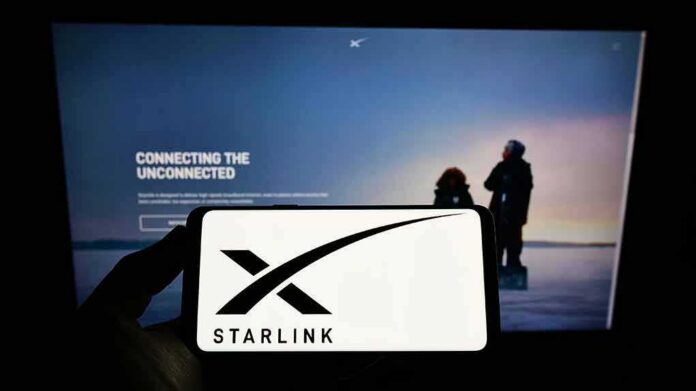
Elon Musk acknowledged that SpaceX limited certain Starlink uses in Ukraine for about a week, and that the limits affected Ukrainian operations. Musk said Ukraine’s military used the civilian Starlink service for offensive drone strikes, which he said violated Starlink’s terms. He added that SpaceX “closed a loophole” and enforced rules that had always barred weaponized use of the commercial service. Those statements match published language that the service was not intended for offensive or defensive weapons use.
Musk also drew a line between Starlink, the civilian network, and Starshield, the military-grade system, which he said is controlled by the United States government. That distinction matters. If Ukrainian drone missions required the military-grade system, then decisions on those missions would not rest with SpaceX alone. The difference between the two networks has fueled confusion in press coverage and on social media, where many posts blur which system was affected.
Ukraine’s Dispute With Musk’s Rationale
Senior Ukrainian voices pushed back on Musk’s claim. A presidential defense technology adviser said civilian Starlink terminals have speed and geography limits that would make offensive use for deep strikes impossible, and that the network does not work in Russia. Other reports cited advisers who said serious drone missions required special registration and connection to Starshield, not basic Starlink. These statements challenge Musk’s case that civilian service powered offensive drone attacks.
Ukraine also said service had been restored after the one-week disruption. That aligns with reports that both Starlink and Starshield were again operating after the throttling period. What remains unclear from public sources is the exact scope and the measured combat impact of the limits. The record does not list days, units, casualties, or mission outcomes tied directly to the change. That gap leaves room for politics to fill in what logs have not yet shown.
The Real Policy Question For America
The episode exposes a larger problem: a private, dual-use network became vital to a wartime partner without clear, public guardrails. When a company can flip settings that touch the battlefield, elected leaders need transparent rules. Conservatives can back strong contracts, clear chains of command, and redundancy that does not put national interests at the mercy of any one vendor. That is common sense and supports limited, accountable government that sets terms before a crisis.
Congress and the administration can press for answers without show trials. Lawmakers can review contract terms, approval pathways, and who gets to authorize changes during hostilities. Agencies can confirm whether missions relied on Starlink, Starshield, or both. These steps protect taxpayers, our troops, and allies, and they cut down on reckless media labels. We should demand facts, protect free enterprise, and make sure no single company holds a kill switch over critical missions again.
Sources:
foxnews.com, npr.org, theverge.com, abcnews.com, yahoo.com, apnews.com, nbcnews.com