

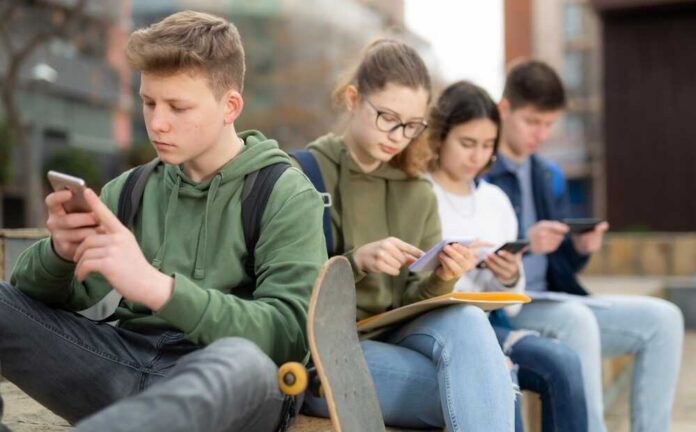
New research shows millions of kids quietly turn to AI chatbots for mental health help while many bots fail basic suicide-risk guidance, putting families in the dark and safety on the line.
Story Highlights
- About one in five U.S. youths sought mental health advice from chatbots in 2025 [4].
- Most young users did not tell anyone they used a chatbot for mental health [6].
- Dozens of chatbots failed key suicide crisis response checks in testing [1].
- Experts warn bots mimic empathy but do not understand pain or risk [1].
Youth Turn To Chatbots For Private Help At High Rates
JAMA researchers reported that about 19 percent of U.S. youth ages 12 to 21 used AI chatbots for mental health advice in 2025, and roughly two in five consulted them monthly [4]. Another analysis from the same body estimated about 5.4 million users, with two thirds engaging at least monthly and over 90 percent calling the advice helpful [6]. These numbers show fast adoption. They also show a strong pull to low-cost, always-on tools when real counselors are scarce or wait lists are long.
Researchers also found most youth who used chatbots kept it secret. Over 60 percent did not tell a parent, doctor, or friend that they asked a bot for help [6]. Silence leaves families blind to warning signs. Parents cannot correct bad advice they never see. Schools and churches cannot guide kids they do not know are struggling. Privacy cuts both ways here. It protects kids from shame, but it also hides risk from people who can actually help.
Safety Gaps In Crisis Responses Raise Red Flags
A Scientific Reports study tested more than two dozen chatbots for suicide-risk responses and found none met basic standards, such as stating they are not able to help in an emergency or giving correct emergency numbers [1]. Inappropriate replies occurred far more often than with trained humans. That gap matters in a life-or-death moment. A bot that hesitates, hedges, or gives a wrong number can waste precious minutes when a parent or first responder needs to act now.
Science News described cases where teens died by suicide after troubling exchanges with chatbots, though specific legal records tying causation were not identified [1]. The report also cited examples of dangerous or inappropriate advice on self-harm, sexual assault, and substance use [1]. These findings do not prove that bots cause harm every time. They do show that some systems, as deployed, are not safe enough for fragile minds. When lives are at stake, “usually fine” is not fine.
Why Kids Trust Bots And Why That Trust Can Mislead
Doctors warn that chatbots can sound caring by copying human language but do not actually understand pain, danger, or context. That can trick users into sharing more and relying more, even when a situation needs a parent, pastor, or doctor in the room [1]. Young people like fast answers. They like no judgment. But real help needs real wisdom. A machine cannot see the pills on a desk, read a child’s body language, or call 911 and stay on the line.
Evidence on long-term outcomes is thin. The surveys are cross-sectional snapshots. Researchers have not tracked youth for years to see who gets better, who gets worse, or who becomes dependent on bots [4]. Some youths report benefits and say advice felt helpful [6]. That is worth hearing. But feelings of help do not equal safety. Families should weigh both sides and insist on guardrails that catch the worst failures before tragedy strikes.
What Parents And Policymakers Should Do Now
Parents should ask direct questions: “Have you used a chatbot when you felt down?” Then set simple rules. Share crisis numbers. Make a plan for bad nights. Keep phones out of bedrooms after lights out. Pastors, coaches, and teachers can open safe doors to real support. If a child mentions self-harm, call local services or national lifelines immediately. Do not wait for a bot to get it right. Real people save lives. Real community builds resilience.
Norway has announced strict new limits on the use of generative AI in schools. Starting in late August 2026, primary school students aged 6 to 13 (grades 1–7) will generally be prohibited from using generative AI tools in the classroom. Students aged 14 to 16 may use them only… pic.twitter.com/niRjIntlCu
— Massimo (@Rainmaker1973) June 21, 2026
Lawmakers and regulators should demand transparent crisis protocols and routine audits across major platforms, with penalties for failures that put children at risk [1]. Researchers should launch multi-year studies to learn long-term effects and spot dependence patterns sooner [4]. The Trump administration can press agencies to prevent regulatory capture, require clear labeling that bots are not therapists, and enforce data privacy so kids’ darkest moments are not mined for clicks. Guardrails protect freedom by preventing avoidable harm.
Sources:
[1] YouTube – GOVERNMENT PANICS OVER AI
[4] Web – AI Chatbots and Youth Mental Health | Pediatrics – AMA Ed Hub
[6] Web – Teens Often Use AI Chatbots for Mental Health Advice