
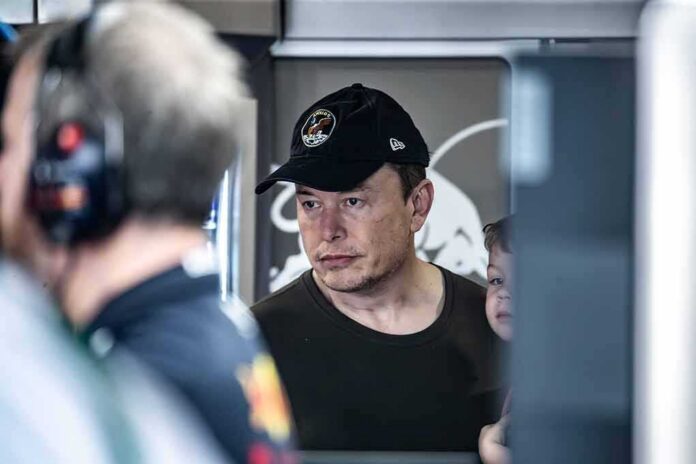
Wealthy allies tied to Elon Musk bankrolled a fast push to make MDMA therapy mainstream, steering funding and influence toward a for‑profit rollout backed by major donors.
Story Highlights
- Antonio Gracias, a Musk associate and former Tesla board member, led support for Lykos Therapeutics’ MDMA-for-PTSD effort.
- Gracias funded psychedelic research with multi-million-dollar gifts tied to MAPS and Harvard programs.
- Lykos raised about $100 million while seeking Food and Drug Administration approval for MDMA-assisted therapy.
- Public records show psychedelic trials leaned on private donors as federal backing lagged for years.
Documented Donor Influence Behind MDMA Push
Financial Times reporting identified Antonio Gracias as an associate of Elon Musk who proposed support for Lykos Therapeutics, the company advancing MDMA-assisted therapy for post-traumatic stress disorder. Rick Doblin, whose nonprofit Multidisciplinary Association for Psychedelic Studies funded clinical trials, endorsed Gracias’s effort. The coverage linked Gracias’s role to earlier ties with Tesla and SpaceX, underscoring a bridge between tech wealth and drug-therapy ventures. The Guardian later detailed how this backing aligned with a broader campaign to move MDMA into regulated care.
The Guardian reported that Gracias gave one million dollars to the Multidisciplinary Association for Psychedelic Studies in 2020 and then sixteen million dollars for Harvard psychedelic research in 2023, signaling sustained, targeted funding across nonprofit and academic pipelines. Multidisciplinary Association for Psychedelic Studies donor pages describe large gifts for research and training, reflecting organized private support that filled gaps in public funding. Together, these gifts built institutional momentum while Lykos prepared its regulatory bid.
Capital Raises, Control Efforts, and Industry Alignment
Lykos Therapeutics raised about one hundred million dollars as it awaited a Food and Drug Administration decision on MDMA-assisted therapy for post-traumatic stress disorder, according to The Guardian’s reporting. Gizmodo described a plan led by Gracias to take control of Lykos with a fresh fifty million dollar infusion from wealthy backers, portraying an assertive move to stabilize leadership and speed commercialization. Financial Times also reported Doblin’s support for Gracias’s initiative, highlighting strategic alignment between donors and trial sponsors.
Coverage over several years tied multiple high-net-worth figures to psychedelic causes. Bloomberg reported five million dollars from Steve Cohen to Multidisciplinary Association for Psychedelic Studies for the MDMA push, while separate reporting identified Steve Jurvetson among prominent backers in the field. The Observer recounted that Elon Musk personally praised psychedelics and MDMA as helpful for mental health on social media, adding cultural lift to the donor surge, though not direct funding by Musk himself. The record shows a network of influential supporters converging on the same goal.
Regulatory Crosswinds and America’s Funding Gap
Federal reviewers have treated MDMA-assisted therapy with unusual caution. An advisory panel tied to the Food and Drug Administration voted in 2024 that evidence was insufficient to show benefits outweighed risks, and federal officials later declined to approve the Lykos application while requesting more clinical work. Earlier, the Food and Drug Administration had given MDMA-assisted therapy “breakthrough therapy” status in 2017, reflecting signs of promise in early trials and a path to faster review. These steps show a tight regulatory path with shifting demands.
Independent reviews found that federal money rarely backed psychedelic clinical trials for many years. A study documented zero National Institutes of Health grants directly funding psychedelic-assisted therapy trials from 2006 to 2020, leaving philanthropy and private investors to carry most costs. A later grant survey showed psychedelic proposals were funded at lower rates than typical research awards, reinforcing why donors and private capital became decisive in this space. That funding gap helps explain how tech-linked wealth gained outsized sway over direction and speed.
Why This Matters for Families, Communities, and Policy
Private money can speed research, but it can also shape priorities without broad public input. When large donors back a controversial therapy, they can drive timelines, leadership, and messaging long before regulators finish their work. That dynamic raises accountability and safety questions that many families care about. As President Trump’s administration oversees federal health policy, clear rules, transparent evidence, and guardrails against mission creep are vital so medical care stays focused on patient safety and sound science—not elite agendas.
Sources:
feedpress.me, wsj.com, ft.com, gizmodo.com, bloomberg.com, linkedin.com, maps.org, psychedelicalpha.com, webpronews.com