
Putin says no draft is coming, yet Russians are lining up to leave and bracing for the worst.
Story Snapshot
- Putin and the Kremlin deny any plan for a new mobilization, calling rumors “disinformation.”
- Independent outlets report internal talk of a possible post-election call-up, though no decision is confirmed.
- Analysts say Moscow is straining its forces but still prefers contract recruits and pressure over a mass draft.
- The 2022 partial mobilization decree remains a key backdrop and public memory point.
Putin’s Denial and the Kremlin Line
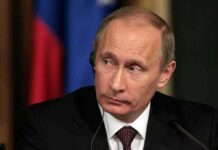
President Vladimir Putin stated Russia does not need a new mobilization and blasted rumors as enemy “disinformation.” He said there is “no scenario today” that requires a call-up, matching months of Kremlin pushback on draft talk. Kremlin spokesman Dmitry Peskov has used the same language and dismissed the reports as fabrications. These official statements aim to calm fears ahead of Russian elections and steady a nervous public watching the war grind on.
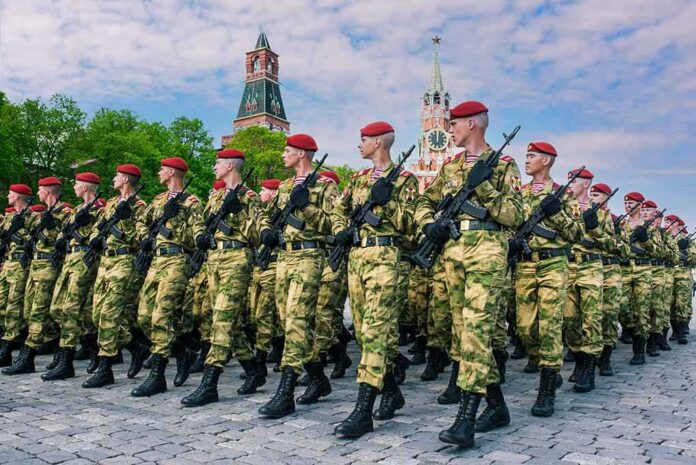
The Kremlin’s message is clear: contract recruits and volunteers will fill ranks, not a mass draft. This line follows a pattern since 2023. Moscow has offered large bonuses and steady pay to keep men signing contracts instead of ordering a new wave. That choice protects political stability at home and keeps daily life closer to normal. It also avoids the public anger that followed the 2022 call-up, which sparked protests and a flight of draft-age men.
Persistent Rumors and Why They Spread
Independent media report that officials discussed mobilization scenarios for after the State Duma vote. One account said October was a possible window, while stressing no final order exists. Such reports fuel fear, even as the Kremlin denies them. People remember 2022 and worry talk today could become action tomorrow. The war’s length, reports of losses, and slower recruitment all add to the churn of rumors in Russian cities and online networks.
Analysts describe a stressed force-generation system that still stops short of a broad draft. Experts say Moscow can keep fighting at its current pace using contract troops, coercive local measures, and better pay. That approach has costs. It demands constant spending and pressure on regions and employers. But it also avoids the political shock of another mass call-up. For now, that trade-off appears to be the Kremlin’s preferred path to sustain manpower.
The 2022 Precedent and Today’s Risk Calculus
Russia’s 2022 “partial mobilization” under Presidential Decree No. 647 brought in hundreds of thousands of reservists. The move helped plug holes but carried a heavy domestic price. Protests, emigration, and public anger followed. Officials later claimed the target was met and the effort ended, but the decree’s legacy lingers. Families remember the knock at the door. That memory makes any new mobilization rumor hit harder and spread faster across the country.
For American readers, the signal is simple. Authoritarian regimes often deny major steps until the moment they act. Russia’s rulers want freedom of action and a calm home front. They also want to avoid unrest that could shake their grip. The balance can shift if battlefield losses spike or contract recruiting dries up. Until then, expect Moscow to talk down rumors, lean on incentives and pressure, and keep a draft option on the shelf while it fights on.
Sources:
feedpress.me, lansinginstitute.org, devdiscourse.com, meduza.io