
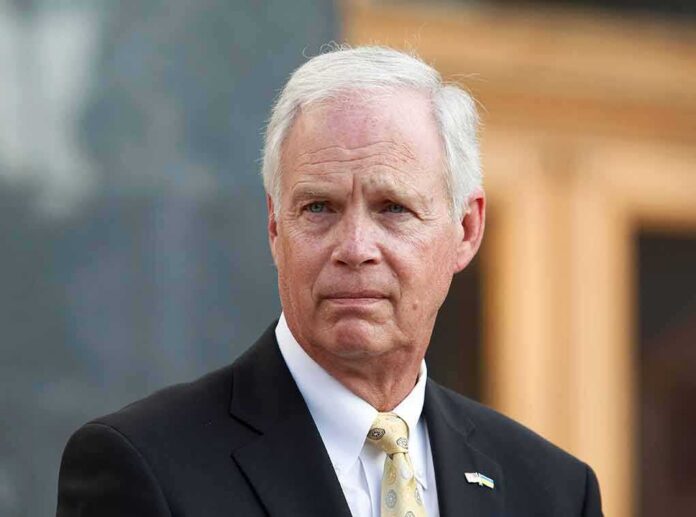
Senator Ron Johnson moved to slow a rushed Senate GOP leadership vote after a bruising election, demanding a full strategy review first.
Story Highlights
- Ron Johnson formally asked to delay the Senate Republican leadership election after major losses.
- Johnson secured the five signatures needed to force a conference meeting under party rules.
- Several Republican senators backed a pause to hear leadership plans and strategy changes.
- The vote was scheduled for Tuesday morning, with delay still seen as unlikely by some aides.
Johnson’s Push: Assess the Loss Before Picking Leaders
Senator Ron Johnson said the conference should not rush into leadership elections after what he called a “stunning defeat.” He told CBS there is “no reason to rush” and urged a robust discussion before voting on party leaders. Reports said he sent a letter to Conference Chair Tom Cotton. He asked for a delay to allow a real review of what went wrong and what must change before the next Congress begins.
Johnson framed the pause as common sense accountability. He argued senators need to hear clear plans from leadership hopefuls on how to counter emboldened Democrats and how to govern as a united conference. He tied the delay to a concrete goal: force candidates to explain strategy, message, and structure, not just collect votes behind closed doors. That approach, he said, would avoid “political malpractice” after the setback.
Procedural Muscle: Five Signatures to Force a Meeting
Johnson obtained the minimum five Republican signatures needed to trigger a special conference meeting, according to reporting on Senate Republican rules. That step moved the delay effort from talk to action. The letter sought time for leadership candidates to outline how they would lead, communicate, and organize the conference after the losses. Senators John Kennedy and Mike Lee were among those reported to support the delay push, showing this was not a solo effort.
The conference already had a closed-door leadership vote set for Tuesday at 9 a.m. Eastern. Coverage said many Republicans still expected the election to proceed on schedule despite the request to slow down. That timing created a race between institutional momentum and a call for reflection. The push did not present a rival candidate for minority leader, and Senator John Thune was reported to be running unopposed at that point, which could lower the appetite for delay.
What a Delay Would Do—and What It Would Not
Supporters said a short pause would let Republicans study the losses, identify messaging failures, and demand clear plans from leaders before locking in the next term. They pointed to past, recurring calls for post-election reviews and to the normal November–December window when parties set internal leadership and committees, showing the calendar allows deliberation. That process-first view matches conservative priorities: learn from defeat, fix the plan, and hold leaders to it.
Limits remained. Reports did not show a set timeline, review format, or decision standard tied to the delay. The signatory list beyond a few names was not fully public. And with the vote already scheduled, aides did not expect a long delay. Still, the letter put accountability on the agenda and asked leadership contenders to state, on the record to colleagues, how they will fight inflationary spending, secure the border, and oppose left-wing priorities that raised costs and weakened families.
Why This Matters for Conservative Voters
Senate leadership choices shape fights over spending, border enforcement, energy policy, and judges. After losses, many conservatives want leaders who will resist bloated budgets, stop open-border policies, protect the Constitution, and back families. Johnson’s move asked the conference to think first, choose second. Whether the vote slipped or stayed on time, his push put strategy, unity, and results front and center when Republicans can least afford business as usual.
Sources:
redstate.com, politico.com, bloomberg.com