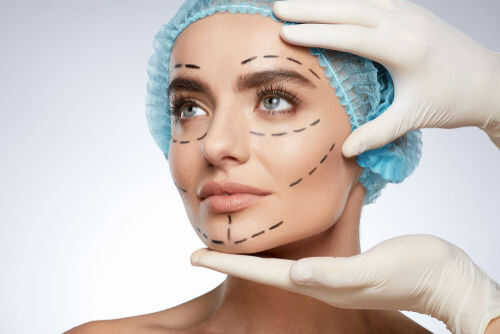
As artificial-intelligence “perfect faces” flood exam rooms and social media feeds, plastic surgeons warn that big-tech beauty algorithms are quietly rewriting what it means to look “normal.”
Story Snapshot
- AI face filters and surgical simulators are now shaping what patients think is realistically achievable in the operating room.
- Peer‑reviewed research shows cosmetic AI tools often erase age, weight, and darker skin tones, narrowing beauty to a biased ideal.
- Surgeons caution that AI‑generated “after” photos can create disappointment, mental‑health strain, and pressure for more invasive work.
- Ethical concerns center on privacy, consent, corporate data harvesting, and whether tech firms are driving standards instead of doctors and patients.
AI Beauty Tools Move From Phone Filters Into the Exam Room
Plastic surgeons across the country now report that artificial-intelligence facial tools are part of routine consultations, not a sci‑fi sideshow. Industry coverage describes clinics using three-dimensional scans, facial-analysis software, and AI-driven outcome simulators to “educate” patients and plan procedures, promising more personalized, efficient care.[2] Surgeons use these systems to analyze symmetry, skin quality, and aging, then display predicted results on screens. The technology can help communicate options clearly, but it also risks turning a medical visit into a software demo.
One business-focused piece profiles a surgeon who runs every patient through an AI-enabled scanner, capturing images on a tablet and “playing with” their face on-screen to preview possible tweaks.[4] Another practitioner article touts machine-learning models that generate “realistic, patient-specific outcome simulations” to improve shared decision-making and “set realistic expectations.”[2] On paper, that sounds responsible. In practice, once a glossy AI “after” image appears, it can become a silent promise—no matter how many disclaimers a clinic prints in fine type.
Biased AI Faces and Unrealistic Expectations
Peer-reviewed work examining generative artificial-intelligence tools in cosmetic surgery found that the images they create skew heavily toward young, thin, light-skinned female faces. Older women, men, and anyone with a body mass index above about 20 were largely absent from the AI gallery. That might please corporate advertisers, but it sends a loud message in the exam room: the algorithm’s default “ideal” looks nothing like most real Americans. For patients already worn down by social-media perfection, this narrows beauty standards even further.
Surgeons and professional groups are sounding alarms that these polished images can warp expectations. The American Society of Plastic Surgeons reports that artificial-intelligence tools are now used in image analysis and consultations, but experts warn that “before and after” photos generated or enhanced by AI may push outcomes beyond what surgery can reliably deliver. One surgeon quoted in society coverage fears that when patients see a computer-generated result—even with a verbal disclaimer—they begin to expect that exact outcome, setting them up for dissatisfaction and demands for revisions if reality falls short.
Mental Health, Misinformation, and the Human Cost
Researchers studying artificial-intelligence in plastic surgery stress that these tools can imitate accuracy while quietly getting crucial details wrong. A narrative review notes that chatbots such as ChatGPT can pass medical exams yet still give incorrect or biased answers, fabricate references, and offer misleading guidance to people without medical training.[7] Clinic blogs echo that concern, warning that confident but wrong AI “hallucinations” can mislead patients about procedures, credentials, and risks, especially in a specialty where millimeters and safety margins matter.[2]
Plastic surgeons also point to the emotional fallout when a patient’s actual face does not match the digital fantasy. Professional commentary emphasizes that surgery is not only physically taxing but mentally challenging, and artificial-intelligence tools cannot walk someone through regret, anxiety, or disappointment after a major operation.[3] When an AI-filtered or AI-simulated “new you” becomes the mental benchmark, even a technically successful surgery can feel like a failure. That pressure feeds the broader cultural addiction to endless “self-improvement” instead of self-acceptance.
Privacy, Consent, and Big-Tech Beauty Standards
Beyond vanity, there is the looming question of who owns and profits from our most intimate data: our faces. Surgeons highlight that companies marketing artificial-intelligence platforms to clinics have often “minimized confidentiality and informed consent concerns,” even as they push tools that upload patient images to external servers for analysis.[3][4] A peer-reviewed review flags the same issues, citing risks around patient privacy, access to sensitive images, data breaches, and the lack of clear accountability when algorithms cause harm.[7]
All of this sits uneasily with conservative concerns about corporate overreach and the erosion of personal dignity. When unaccountable tech firms and beauty marketers define what “normal” looks like, families feel the downstream pressure—daughters chasing AI-sculpted noses, sons comparing themselves to synthetic jawlines, adults tempted into debt for elective work to match a filtered selfie. Even many surgeons, who benefit financially from cosmetic demand, emphasize that artificial-intelligence should complement, not replace, honest doctor–patient conversation and realistic expectations rooted in human judgment, not algorithmic fantasy.[6]
Sources:
[2] Web – AI‑Driven Planning: The Future of Personalized Facial Cosmetic …
[3] Web – 2026 Plastic Surgery Trends: What Procedures Are Transforming …
[4] Web – How AI is Beginning to Give Plastic Surgery a Makeover
[6] Web – 2026’s Hottest Aesthetic Trends, AI, and the Next Generation of …
[7] YouTube – 2026’s Hottest Aesthetic Trends, AI, and the Next Generation of …