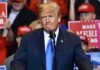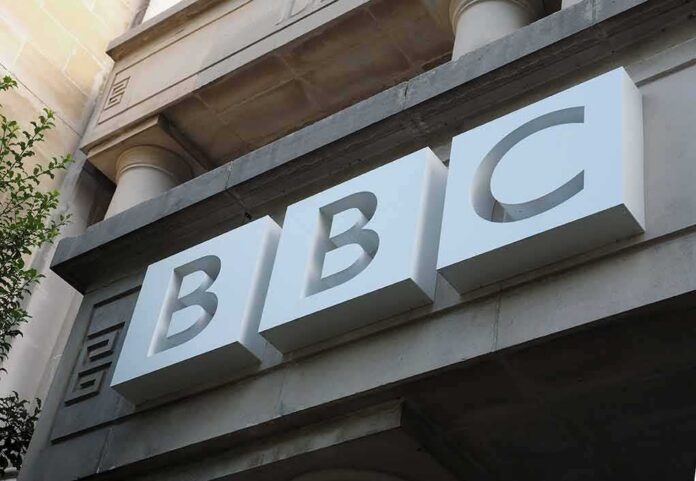
A federal judge let President Trump’s defamation case against the BBC move forward after the broadcaster admitted its edit gave viewers the false impression he called for violence.
Story Highlights
- A federal judge denied the BBC’s attempt to toss President Trump’s lawsuit, allowing discovery to proceed.
- The BBC admitted its edit created a mistaken impression that Trump made a direct call for violent action.
- Reports say the edit spliced speech lines delivered over 50 minutes apart into a single clip.
- The BBC apologized but rejected any basis for defamation or compensation.
Judge Says Case Can Proceed, Citing Plausible Claim
A federal court allowed President Trump’s $10 billion defamation suit against the British Broadcasting Corporation to continue. Reporting on the ruling says the judge found Trump’s complaint plausibly alleged that the program created a false impression by splicing two lines from his January 6 speech into one sentence. This keeps the case alive past the first hurdle. The court’s decision means both sides now face discovery, depositions, and document production on editing choices and damages.
The order does not decide who will win at trial. It simply rejects the BBC’s effort to end the case early. That matters because it grants Trump a chance to test the BBC’s internal records. The legal question centers on whether an edited clip told viewers he said something he never said. Courts have treated misleading edits as factual claims before, not just opinion, when the cut changes meaning in a concrete way.
BBC Admits Misleading Edit But Denies Defamation
The BBC has already apologized for the edit in its Panorama documentary. In a formal statement, the broadcaster accepted that the clip unintentionally looked like one continuous section and gave the mistaken impression that President Trump made a direct call for violent action. The BBC’s chair also called it an error of judgment. At the same time, the BBC insists there is no legal basis for defamation and it refuses compensation. That leaves the apology on record but the legal fight unresolved.
Multiple reports describe what the cut did. The program combined lines that were more than 50 minutes apart into a single-seeming sentence. The result, according to Trump’s complaint and legal commentary on the ruling, was a twelve-second segment that conveyed a meaning different from the full speech. The key dispute now is whether the edit crossed the line from clumsy storytelling to a false statement with legal consequences under United States defamation law.
What Discovery Will Test: Intent, Reach, and Harm
Discovery will probe why producers chose the specific cuts and whether anyone raised red flags. Trump’s team will seek the raw files, edit logs, scripts, and internal notes to show how the sequence was built. Analysts say courts often look hard at whether an edit changed the material meaning, especially for public figures who must show “actual malice” under the First Amendment standard described by defamation guides. The BBC will press for proof of real harm tied to the broadcast rather than politics or other events.
Discovery may also test who saw the documentary and where. Some coverage questioned how widely the program aired in the United States, which could affect damages and causation. The BBC previously sought records tied to Trump’s claimed business injuries and referenced potential testimony from family members involved with the speech’s preparation, according to news reports on related filings. The judge’s ruling means those questions do not go away; they now move to the evidence stage.
Why This Matters to Free Speech and Fair Editing
This case sits at the heart of a simple idea: the press must not put words in someone’s mouth by cutting tape to make a new sentence. The BBC’s own statement concedes the edit conveyed the wrong impression about continuity and meaning. The court allowed Trump to try to prove that the change told viewers he urged violence when he did not, a claim that legal scholars flagged as central to the ruling’s logic. If proven, that would be more than bias; it would be a falsehood with consequences.
Conservatives know this pattern well. Powerful outlets push a narrative, then apologize after the damage is done. The difference now is that President Trump can seek the receipts under oath. If the evidence shows reckless disregard, the First Amendment does not protect it. If not, the case will fail. For now, the message is clear: in America, even the biggest media brands must answer for edits that change the truth.
Sources:
npr.org, cbsnews.com, bbc.com, amp.dw.com, whitehouse.gov