House leaders shelved eight impeachment articles against Defense Secretary Pete Hegseth with a narrow 211-204 vote, leaving serious war-powers claims unresolved for now.
Story Snapshot
- The House referred a formal, 34-page impeachment resolution with eight articles to committee.
- The charges center on the Iran war and alleged unlawful boat strikes against drug traffickers.
- Democrats backed the effort; Republican leaders blocked floor action, stalling the case this Congress.
- The War Powers fight revives a long clash between Congress and presidents over starting wars.
Procedural Vote Shelves Impeachment Drive
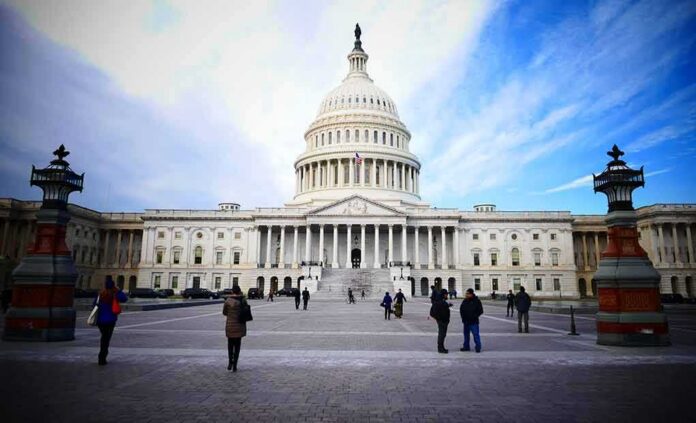
House members voted 211-204 to refer the impeachment articles to the Judiciary Committee, which halted any trial or immediate debate on the charges. Reports describe the move as effectively killing the effort for the current Congress, since leaders control the calendar and hearings. The outcome did not decide the merits of the allegations. It only sent the resolution to committee, where it can sit without action under House leadership rules.
Representative Thomas Massie introduced the resolution on November 9, 2026. Coverage described a 34-page filing with eight articles and language stating that Hegseth “warrants impeachment and trial, removal from office, and disqualification” from future federal posts. House Democratic leaders supported moving the charges forward, while no Republican leaders joined them. The vote placed the resolution on a procedural shelf, a common end for measures that party leaders do not want on the floor.
Core Allegations: Iran War and Use of Force at Sea
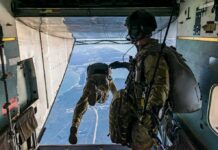
The first set of articles focused on the Iran war. Reports said they alleged hostilities began without a declaration of war, a specific statute, an attack on the United States, or an imminent threat. Additional counts said Hegseth continued hostilities after both chambers directed the removal of United States forces and after the War Powers Resolution’s 60-day termination window, and ignored laws that seek to reduce civilian harm. The filings tied these choices to Hegseth’s role as defense secretary.
A separate article focused on boat strikes against suspected drug traffickers in the Caribbean Sea and the Eastern Pacific. The text, as described by outlets, accused Hegseth of directing extrajudicial killings, ordering secondary strikes on survivors, and telling United States personnel not to rescue shipwrecked people. One report said at least 244 alleged traffickers died in these actions, a number that will draw further scrutiny if the committee proceeds. Hegseth has rejected the impeachment push as a political stunt.
Why the War Powers Fight Matters
The War Powers Resolution sets rules for how presidents and Congress share decisions about hostilities. The law requires reports within 48 hours when forces enter hostilities without a specific statute, and it requires withdrawal within set time limits unless Congress authorizes force. This clash has repeated for decades as presidents claim flexibility and Congress asserts its duty to decide war and peace. The Hegseth articles fit squarely into that long dispute.
Conservatives care because the Constitution gives Congress the power to declare war. When that power slips, unelected actors gain ground, and accountability drops. Massie’s filing argued that lines were crossed in Iran and at sea. House leaders chose a process pause instead of a floor test. That choice kept the case off television screens for now, but it did not answer the core legal questions raised by the resolution.
What Comes Next and What To Watch
The Judiciary Committee now holds the file. Leaders can schedule hearings, request documents, or let the matter lapse. Observers should watch for release of the full resolution text, operational records on the boat strikes, and any legal opinions on Iran hostilities. The Constitution Annotated notes that cabinet officials can be impeached, which keeps the path open if facts warrant action later. For now, the vote parked the debate without settling the facts.
For readers who want clear benchmarks, track three items. First, any date-specific timeline that shows when hostilities began and when the War Powers clock ran. Second, any evidence tying Hegseth to direct orders in the Iran and maritime actions. Third, any casualty records that confirm or rebut the reported counts. These points will show whether Congress enforces its war power or continues to defer to executive action.
Sources:
reason.com, afp.com, cnbc.com, mainepublic.org, 6abc.com, nbcwashington.com, breakingdefense.com, stripes.com, cbsnews.com