New York City just committed more than $40 million a year to a new Office of Community Safety while Minneapolis voted 9–4 to scrap theirs over weak results and waste concerns.
Story Snapshot
- New York City will fund a new Office of Community Safety at more than $40 million per year starting in 2027.
- The city will also expand its Crisis Management System to 49 areas with $1.6 million per site.
- Officials claim big drops in shootings tied to community programs, but offer no independent audit yet.
- Minneapolis eliminated its safety office after audits, contract issues, and poor return on investment claims.
NYC’s New Spending and Promises
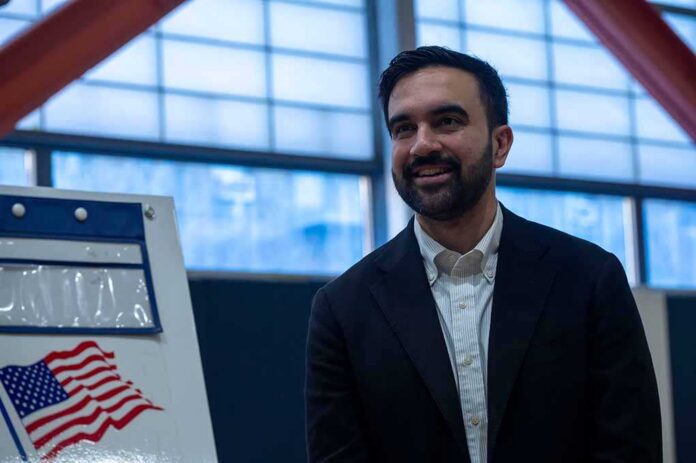
Mayor Zohran Mamdani’s fiscal year 2027 budget sets aside more than $40 million each year for a new Office of Community Safety. The plan also lists more than $47 million yearly for mental health access and related services. City leaders say the office will support community-based violence work and help manage hate crimes, domestic violence, and mental health needs. The budget lines prove the spend is real, but they do not, by themselves, show results or value for taxpayers.
The city is expanding its Crisis Management System to more neighborhoods. Each “catchment” gets $1.6 million to hire credible messengers who mediate conflicts and connect people to jobs, school, legal help, and counseling. The latest move adds Bushwick, Harlem, and Washington Heights/Inwood, bringing the total to 49 areas across the city. This scale-up gives New York a chance to show whether the model works beyond a few pilot blocks and into whole communities.
Claims of Results Without Independent Proof
City statements say community-violence programs cut gun violence by 21 percent on average citywide. They cite sharp local drops, like 50 percent fewer gun injuries in East New York and 63 percent fewer shooting victimizations in the South Bronx. They also point to 1,567 fewer shootings from 2012 to 2024. These are striking figures, but the city has not released methods, comparison areas, or an outside review to test cause and effect.
The 1,567 fewer shootings claim covers years before this new office and includes many factors beyond outreach teams. Police work, courts, the labor market, and population shifts also affect crime trends. Without a clear evaluation plan, the city cannot tell residents how much the new office will add. A public audit and a study using matched neighborhoods would let taxpayers see what they are buying and whether spending should continue or change.
Minneapolis Kills Its Office After Weak Oversight and Costs
Minneapolis council members voted 9–4 to eliminate their Office of Community Safety. Supporters of the cut said the agency did not deliver results worth the cost and failed to improve police oversight as promised. A local audit flagged contract oversight problems inside a department under the office. One consultant billed more than $270,000 without the city producing a single receipt, according to reporting on the audit and probe. Lawmakers called the office an expensive extra layer.
Council members in Minneapolis also argued the office lacked real authority over the police chief while paying top leadership high salaries. They said the mayor’s office already had power to oversee public-safety heads, so the separate structure became a costly middleman. The clear message to other cities is simple: if a safety office cannot show measurable gains with clean books and clear lines of authority, it will not last long under budget pressure.
Why The Comparison Matters for New York
New York’s design differs. The office does not run police, fire, or 911. It focuses on neighborhood safety, domestic violence, hate crimes, and community mental health. That narrower scope may avoid some Minneapolis pitfalls. But the risk remains: big recurring dollars invite hard questions. New York needs independent evaluations, a public performance dashboard, and contract rules that prevent waste. Without that, critics will frame this office as bureaucracy first and safety second.
What Taxpayers Should Watch Next
New Yorkers should look for three things. First, a published, third-party study that compares shooting and injury trends in program areas to similar areas without the program. Second, a quarterly public audit that shows where the money goes, what contracts deliver, and what targets get met. Third, clear measures for the mental-health response, like response times, diversions from hospitals, and repeat-call rates. These steps protect public safety and the public’s wallet.
Sources:
reason.com, nyc.gov, kare11.com, mprnews.org, cbsnews.com, kstp.com, fox9.com