A quiet intelligence visit to Moscow exposed a policy tug-of-war inside Washington over how to end the Russia-Ukraine war.
Story Snapshot
- The Central Intelligence Agency director carried a U.S. assessment to Moscow that “no one is winning.”
- President Trump used that channel while U.S. intelligence support to Ukraine still continued.
- Ukrainian leaders later met the director, signaling a test of talks alongside ongoing support.
- NATO leaders urge more pressure on Russia, not less, shaping the debate.
What the Moscow Message Said
The Atlantic reported that Central Intelligence Agency Director John Ratcliffe met Russian intelligence officials in Moscow in August. He carried a U.S. assessment that neither Russia nor Ukraine was making decisive gains. The message, summarized as “no one is winning,” suggested the battlefield was stuck and that more escalation might not change the outcome. The reporting did not include a declassified memo of the assessment. It relied on people familiar with the talks.
The same reporting said President Trump used Ratcliffe as a direct channel to Russian security services. That choice showed the administration wanted a private path beyond public statements. It also placed intelligence judgment at the center of a possible off-ramp. Supporters see this as testing diplomacy without grand speeches. Critics note the reliance on unnamed sources and the lack of a public directive. Both facts limit what the public can confirm today.
Support to Ukraine Continued in Parallel
The New York Times reported that the United States continued sharing intelligence with Ukraine under President Trump. The Atlantic described the Central Intelligence Agency as aiding Ukrainian operations even as Ratcliffe explored talks. These accounts point to a real split between diplomacy and ongoing support. They also show that the President had not publicly ordered a halt to intelligence sharing at that time. That left two tracks running at once.
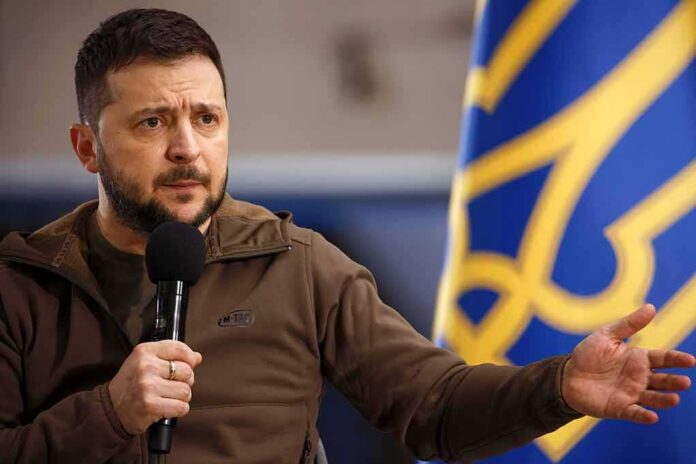
Reports said Ratcliffe later briefed President Volodymyr Zelenskyy in Ireland in September. Ukrainian officials viewed Ratcliffe as someone who could speak plainly about Russia’s threat. That meeting suggests Washington was testing if facts on the ground could back a negotiation push. It did not show that any settlement terms existed or that Kyiv agreed to limits on strikes. The record remains thin on formal orders or written agreements.
Why Oversight and Process Matter
Congressional research explains that covert action and sensitive intelligence support require presidential findings and notification to oversight committees. That framework means the President can set direction, but agencies still follow formal rules and existing authorizations until changed. This helps explain why diplomacy can move slower than a leader’s rhetoric. It also shows why documentation, not leaks, settles what policy actually is inside government.
Studies from the Central Intelligence Agency’s own historical files note that the Agency does not act on its own. It responds to the National Security Council and the President, within law and oversight. Still, friction happens when missions shift. That is common in American history and often becomes visible only through after-action reviews or declassifications. Until then, outside reporting can capture the tension but not the final record.
NATO’s Public Stance Raises the Stakes
NATO leaders continue to call for strong military support to Ukraine. The Deputy Secretary General said allies should “dig deep and do more,” with a focus on air and missile defense. That message aims to keep pressure on Russia and help Kyiv defend its cities and grid. It also places political weight against any move that looks like easing up while Russia attacks. This stance shapes how European capitals read Washington’s mixed signals.
The gap between quiet outreach and visible support creates risk. Moscow may doubt any opening if strikes continue. Kyiv may fear that diplomacy means pressure on its defenses. American voters may see a split between the President’s goals and the bureaucracy’s actions. The clearest fix is sunlight. Release the written assessment, meeting records, and any formal guidance on intelligence sharing. That would show who ordered what, and when, so policy matches the mission.
Sources:
theamericanconservative.com, theatlantic.com, visitukraine.today, nato.int