

Hawaiʻi’s famed Hōlei Sea Arch has collapsed into the Pacific, and park officials are warning tourists to stay off dangerous, crumbling cliffs.
Story Snapshot
- National Park Service confirms the 90-foot arch fell sometime Sept. 23–27.
- Rangers warn unstable cliffs can fail without warning; closed areas remain off-limits.
- Heavy surf during a tropical system overlapped the collapse window, officials said.
- Erosion over centuries carved the arch; the coast continues to retreat inland.
What Happened: Iconic Sea Arch Gone Between Sept. 23 and Sept. 27
Hawaiʻi Volcanoes National Park reported that the 90-foot Hōlei Sea Arch was still standing on Wednesday, September 23, but had collapsed by Sunday night, September 27. Officials said the exact time is unknown because no one witnessed the break. The agency announced the loss in an October 1 update and shared safety guidance for visitors near the coast. The arch had been a major stop for travelers driving the end of Chain of Craters Road.
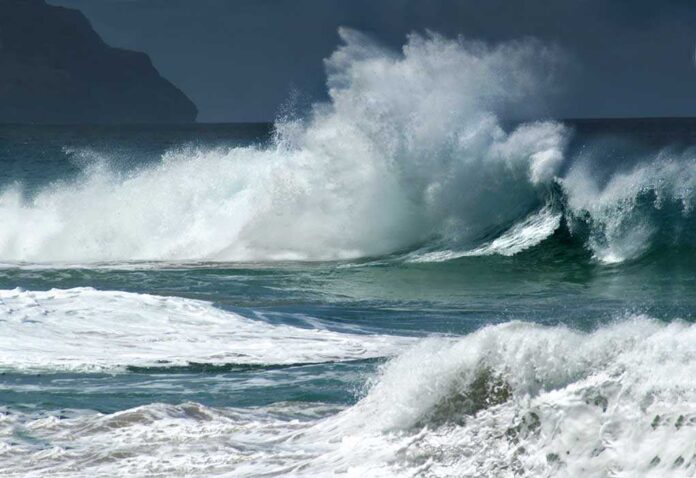
Park staff linked the timing to a late September stretch when a tropical system sent strong surf and wind toward the Big Island. That weather overlapped the window when the arch failed, though rangers did not tie the collapse to one single wave or gust. The point was simple and clear: the coastline along that reach is unstable year-round, and storms only add stress to rock that is already cracked and eroding.
Why It Fell: Relentless Erosion Undercut the Lava Cliff
Geologists explain that sea arches form when waves attack cracks and softer layers in coastal lava flows. Over centuries, the ocean carves a cave, then an opening, leaving a bridge of harder rock above. That bridge thins until gravity wins. The National Park Service describes this process as “differential erosion,” which means weaker rock disappears faster. The same process that built Hōlei also doomed it, and it will keep pushing the cliff line inland over time.
Park statements emphasize that the collapse was not a surprise to experts. They had warned for years that the arch and nearby cliffs could fail at any time. That is why the park closed off areas right at the rim and put up signs. Officials again urged visitors to honor closures and stand well back from edges that can break with no warning. The warning is direct: vertical drops into pounding surf leave no room for error.
Safety First: Clear Rules at an Unstable Coastline
Rangers advise families and tour groups to treat every oceanfront overlook with respect. People should stay behind barriers, keep children close, and avoid climbing on any outcrops that hang over the water. The park says unstable ledges can crack from the weight of even a few people. Strong swells, high winds, and heavy rain speed up erosion and can loosen blocks that look solid from above. These commonsense steps protect lives and help first responders avoid risky rescues.
The iconic Hōlei Sea Arch in Hawaiʻi Volcanoes National Park has collapsed into the Pacific Ocean, marking the latest transformation of the park’s remote and rugged coastline.
The 90-foot Hōlei Sea Arch was still standing on September 23 but had collapsed by Sunday night,… pic.twitter.com/1a9k4LJfmt
— Revere’s Midnight Ride (@PatriotLantern) October 3, 2026
Visitors will still find dramatic views of the coast and fresh volcanic landscapes, but they should plan for route changes and obey all posted signs. The loss of the arch changes the sightseeing map, yet it also reminds us that the islands are living, shifting ground. The park expects more formations to appear and vanish as lava flows harden and waves cut new shapes. The coastline will keep moving, and patience and caution will keep people safe.
Sources:
washingtontimes.com, cnn.com, hawaiinewsnow.com