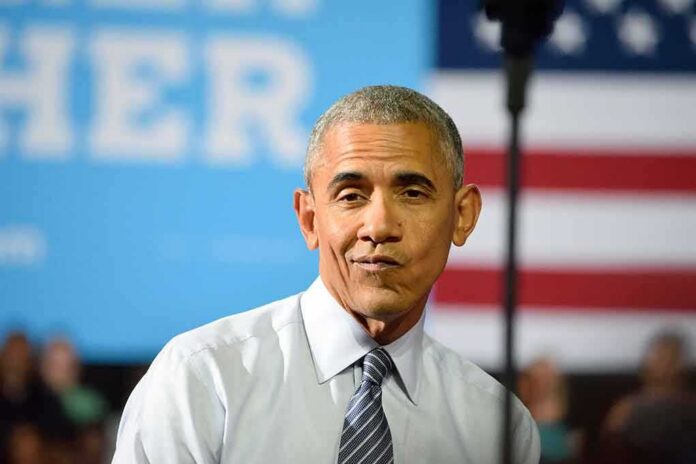
Media outlets are boosting Pennsylvania Governor Josh Shapiro as an Obama-style orator, signaling Democrats may be grooming him for national power.
Story Snapshot
- Reports say Josh Shapiro’s cadence and delivery mirror Barack Obama’s style.
- Coverage links the comparison to Shapiro’s growing national profile and crowd appeal.
- Analysts note the press often repeats familiar frames like “the next Obama” to shape perception.
- The Obama-style label highlights Democrats’ reliance on polished rhetoric over tested results.
Reports Tie Shapiro’s Style To Obama’s Rhetorical Playbook
Axios reported that Josh Shapiro’s speaking style has been compared to Barack Obama’s, and that his Democratic National Convention speech drew several standing ovations. That coverage focused on cadence, dropped consonants, and a steady build that stirs a crowd. Political magazines and columnists have echoed the comparison, saying some Democrats and observers hear an Obama-like rhythm when Shapiro hits the trail. The claim centers on delivery, not policy, yet it is shaping how national media present Shapiro’s rise.
Obama’s oratory has been studied for years. Scholars point to a tight structure, simple language, and well-timed pauses that carry listeners along. Analysts describe how body language, tone, and alliteration can create momentum and signal calm control. Those traits helped Obama connect with audiences and set agendas during campaigns. When reporters say Shapiro evokes Obama, they point to those same performance cues. That is why a style label can stick and drive future headlines.
How Framing Works: “The Next Obama” As A Media Shortcut
Communication research shows first frames tend to endure, as early labels get reused and reinforced over time. Once a figure is cast as “the next Obama,” later stories can repeat that frame because it is easy to understand and share. That loop can make an impressionistic claim feel established, even without fresh data each time. The result can be a narrative that elevates style and theater, while practical checks on policy outcomes fade into the background for casual readers.
For conservatives, that pattern is familiar. Media praise for eloquence often comes with softer scrutiny on costs, mandates, or executive overreach. Voters remember how polished speeches sold big promises that later brought rising prices and heavy rules. When press hype centers on cadence and crowd heat, it can downplay questions about border security, energy affordability, and local control. That is why labels matter. They can steer attention from results to applause lines, especially in long election cycles.
Substance Versus Stagecraft In 2026 Politics
President Trump faces daily tests on border enforcement, energy supply, and inflation relief. Voters judge him on outcomes they can see at the pump, on their power bills, and in their towns. Against that yardstick, a revival of Obama-era stylistic praise invites a clear contrast. Style can inspire for a night. Results change lives. Conservatives value leaders who protect the Constitution, secure the border, and defend free speech and gun rights. Those priorities demand facts, not flourishes.
Democrats may view Shapiro’s stage skills as a national asset. But the country still lives with the effects of earlier progressive policies. Families remember high energy costs and rules that choked small businesses. They watched federal agencies grow, while personal freedoms shrank. If the press crowns a new standard-bearer on the strength of delivery, citizens should ask for details. What will he cut? What will he protect? How will he secure the border and lower costs without new burdens?
What To Watch As The Narrative Spreads
Watch how often major outlets repeat the Obama-style label for Shapiro over the next year. Track whether coverage ties his speeches to concrete proposals, clear costs, and measurable timelines. Note if reporters test claims with data, or lean on crowd shots and quotes. Research on media framing says early narratives can shape later reactions. Readers who value limited government and personal liberty should insist on substance first, and resist efforts to turn cadence into credentials.
Sources:
broadandliberty.com, axios.com, penncapital-star.com