Israel’s overnight strike that killed Iran’s intelligence chief is a blunt reminder that the regime driving terror and repression is also dangerously vulnerable—and that the Middle East can still ignite fast.
Quick Take
- Iranian President Masoud Pezeshkian confirmed the death of Intelligence Minister Esmaeil (Esmail/Ismael) Khatib after an overnight strike in Tehran.
- Israel’s military and Defense Minister Israel Katz publicly claimed responsibility, describing Khatib as a central figure in repression and anti-Israel operations.
- Khatib’s death followed the killings of other senior Iranian figures, including Ali Larijani and Basij commander Gholamreza Soleimani, in a rapid sequence of escalatory strikes.
- Iran responded with public mourning and a crackdown tied to allegations of leaks and spy-network penetration.
Confirmed Kill in Tehran Puts Iran’s Security Apparatus on Notice
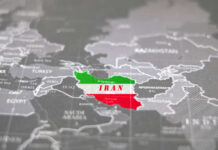
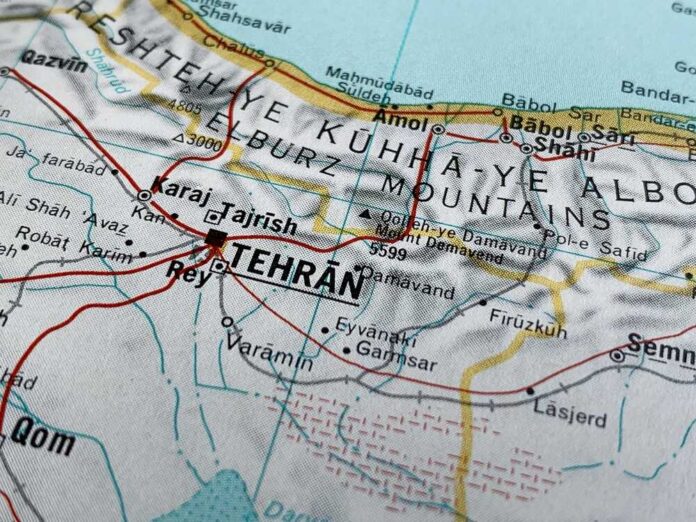
Iran’s government confirmed that Intelligence Minister Esmaeil Khatib was killed overnight in Tehran, with Israel taking responsibility for a precise strike guided by its military intelligence. Pezeshkian labeled the death a “cowardly assassination” in public remarks and signaled continuity rather than retreat. The event landed amid an intense phase of Israel-Iran conflict, with both sides messaging resolve while the region watches for retaliation and wider spillover.
Israel’s statements framed Khatib as more than a cabinet official, portraying him as a key architect of arrests, intimidation, and lethal targeting connected to the regime’s internal control and external operations. That matters because intelligence chiefs sit at the nerve center of authoritarian power: they manage surveillance, political policing, and counterintelligence. Removing one doesn’t automatically change a regime’s ideology, but it can interrupt chains of command at the exact moment leaders are trying to project strength.
Why Khatib Mattered: A Hardline Enforcer with Deep Regime Ties
Khatib served as intelligence minister since August 2021 and was appointed after Ebrahim Raisi’s election, with reporting emphasizing his ties to Supreme Leader Ali Khamenei and the Revolutionary Guard ecosystem. Coverage highlighted his role during the 2022–2023 hijab protests, when Iran’s security services carried out mass arrests and severe crackdowns. U.S.-linked reporting also notes sanctions tied to cyber activity and abuses, underscoring why he was viewed abroad as a central regime enforcer.
Multiple outlets described Khatib’s staying power through leadership turbulence as a signal of where real authority sits in Tehran. Even with a president serving as the public face, the intelligence ministry and security organs answer upward to the system Khamenei built. That political reality shapes the stakes of targeted strikes: they are not merely battlefield events, but attacks on a governance structure that survives by monitoring citizens, rooting out dissent, and maintaining loyalty through fear and patronage.
A Rapid Sequence of High-Profile Deaths Raises the Escalation Temperature
Khatib’s killing came after the reported deaths of other senior figures in a short window, including Ali Larijani—described variously as a security chief and senior state figure—and Basij/internal security commander Gholamreza Soleimani. Reporting places these events across March 17–18, 2026, in what looks like a deliberate campaign to degrade Iran’s security leadership. Iran’s public response included funerals carried on state media and vows that the broader path would continue.
Iran’s own narrative leaned heavily on the idea of infiltration and information leaks, and several reports describe a crackdown tied to suspected spy networks. That internal reaction is important for Americans tracking global stability, because authoritarian crackdowns rarely stay neatly confined. When regimes feel exposed, they often expand surveillance, accelerate arrests, and tighten control of communications—moves that may stabilize leadership in the short term but can also deepen public resentment and create new flashpoints.
What This Means for U.S. Interests Under Trump’s Second Term
U.S. domestic debates—border chaos, inflation, and federal overreach—don’t pause just because events abroad turn deadly. Still, the strike’s timing matters for a Trump-led administration navigating alliances, deterrence, and energy shocks. Reporting around the episode referenced pressure points like the Strait of Hormuz and the way regional conflict can spike oil prices. If tensions expand, everyday Americans can feel it at the pump, making clear why strength and clarity abroad connect to kitchen-table costs at home.
It does not settle what comes next, and uncertainty remains on the scale and timing of any retaliation. What is clear is that multiple sources agree on the core facts: Khatib is dead, Iran confirmed it, and Israel claimed the strike. As the situation develops, the key question is whether Iran’s leadership prioritizes internal consolidation through crackdowns—or external escalation that risks dragging partners and U.S. assets into a wider confrontation.
Sources:
Israel kills Iran intelligence minister Khatib
Iran confirms death of intelligence minister Esmaeil Khatib after strike
Israel claims killing of Iran intelligence minister Esmail Khatib in Tehran strike
Iran confirms the death of its intelligence chief, 3rd top official killed in 24 hours