

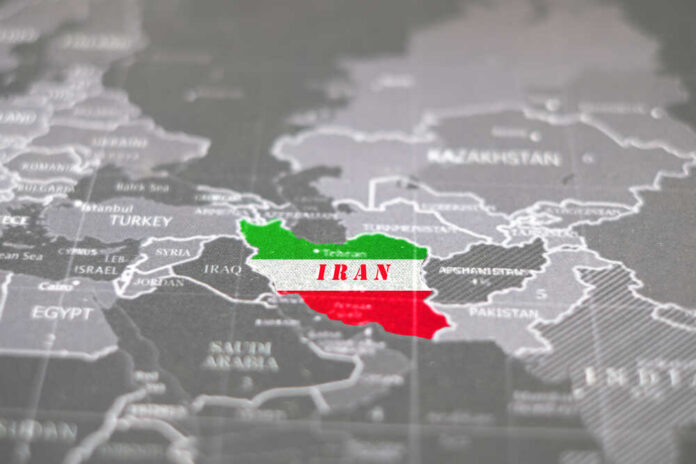
Iran’s authoritarian regime has weaponized a three-week internet blackout to silence 92 million citizens during wartime, forcing desperate Iranians into a dangerous black market where smuggled satellite terminals and VPN data sell at exorbitant prices under threat of imprisonment.
Story Overview
- Iran’s nationwide internet shutdown has exceeded 20 days since February 28, 2026, following US-Israeli airstrikes that killed Supreme Leader Khamenei and roughly 1,300 others
- Black market VPN access costs have skyrocketed to over NIS 60 per gigabyte amid hyperinflation, while smuggled Starlink terminals face military jamming and two-year prison sentences
- The regime permits patchy access to local apps like SnappFood while throttling global platforms, creating a tiered digital prison that isolates citizens from war news and coordination
- Online small businesses have lost 90% of revenue, and independent monitors report this as Iran’s second-longest internet blackout on record with national traffic at roughly 1% of normal levels
Regime Tightens Digital Stranglehold Amid Regional Conflict
Iran initiated a near-total internet blackout on February 28, 2026, immediately following coordinated US-Israeli military strikes that devastated Tehran’s leadership. The shutdown employs sophisticated Border Gateway Protocol withdrawals and National Information Network throttling to remove Iran from global internet routing tables. By March 10, the blackout had entered its 10th day, marking 240 consecutive hours offline and establishing itself as one of the longest shutdowns in Iranian history. NetBlocks monitoring confirms national traffic collapsed to approximately 1% of normal levels, isolating citizens from critical war updates and emergency coordination as the Strait of Hormuz closure simultaneously disrupted 20% of global oil and liquefied natural gas shipments.
Black Market Exploitation Fills Connectivity Vacuum
Underground operators have capitalized on desperate demand for internet access, establishing an illicit economy that charges premium prices for fragmented connectivity. VPN data resellers now demand NIS 60 or more per gigabyte, exploiting hyperinflation and wartime scarcity to extract maximum profit from trapped populations. Smuggled Starlink satellite terminals have become prized contraband despite carrying two-year prison sentences under Iranian law and active military jamming by regime forces. The Miaan Group’s cyber director Amir Rashidi notes the current blackout differs from January 2026’s total shutdown by permitting erratic local applications, yet this partial access exhibits suspicious behavioral anomalies suggesting regime preparation for further protest suppression rather than technical malfunctions or cyberattacks.
Economic Devastation and Information Control
The prolonged shutdown has decimated Iran’s digital economy, with online small and medium enterprises reporting revenue losses exceeding 90% as workers and entrepreneurs lose access to global markets. UN Special Rapporteur Mai Sato has documented the catastrophic impact on business operations while regime officials promise restoration after the March 20 Nowruz celebrations, pledges that remain unfulfilled as of mid-March. This represents government overreach at its most extreme—deliberately impoverishing citizens to maintain authoritarian control during crisis. The blackout prevents Iranians from organizing humanitarian aid, verifying casualty reports, or communicating with family members, creating an information vacuum that enables regime crackdowns while hiding potentially higher death tolls from international scrutiny.
Chatham House analysts characterize this as a “new stage of digital isolation” that surpasses the sophistication of previous 2019 and 2022 protest-related shutdowns. Unlike those shorter disruptions, the current wartime blackout demonstrates Iran’s calculated willingness to sacrifice economic stability and citizen welfare for absolute information dominance. The regime’s selective whitelisting creates a two-tier system where government-connected elites maintain access to platforms like X and Telegram while ordinary Iranians face criminal prosecution for using the same tools. This digital authoritarianism sets a dangerous precedent for weaponizing internet infrastructure during military conflicts, normalizing state-imposed isolation that undermines both individual liberty and economic freedom.
Access Now and other digital rights organizations have condemned the shutdown and demanded immediate restoration, yet the post-Khamenei leadership shows no indication of relenting. As Iran’s 2026 calendar approaches one-third spent offline, the blackout exemplifies totalitarian control mechanisms that American conservatives rightly oppose—government power deployed to crush free speech, stifle enterprise, and trap populations in state-manufactured ignorance. For citizens risking imprisonment to access smuggled internet connections at black market rates, the regime’s message is clear: survival depends on submission to digital tyranny that would be unthinkable under constitutional protections Americans hold sacred.
Sources:
Iran’s nationwide internet blackout enters 10th day, one of longest on record
Iran’s internet shutdown signals new stage of digital isolation
Iran news coverage – The Jerusalem Post
Iran: Connect the population – Access Now statement
Investigative Report: Technical Breakdown of the January 2026 Shutdown