

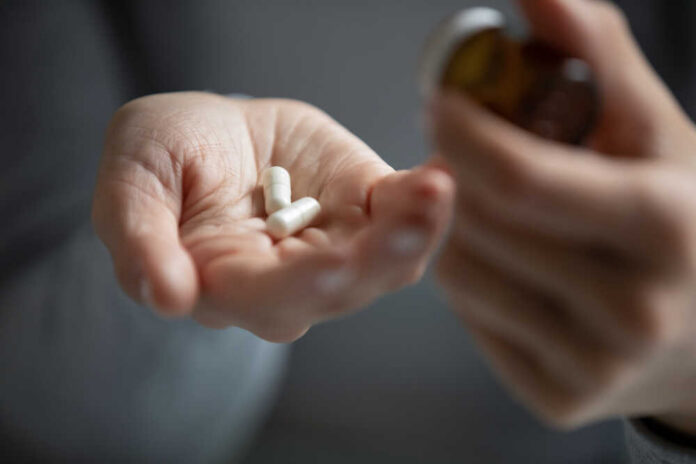
A new House bill argues that “mail-order” abortion pills are turning America’s toilets into an unregulated biohazard pipeline—pushing Congress to treat chemical abortion waste like a water pollution problem.
Story Snapshot
- Rep. Mary Miller (R-IL) introduced the Clean Water for All Life Act on March 18, 2026, targeting chemical abortion practices tied to at-home pill use.
- The bill would restrict telehealth prescribing for abortion drugs like mifepristone by requiring an in-person physician exam.
- It would require “catch kits” for collecting fetal remains, tissue, and blood, aiming to prevent disposal into wastewater systems.
- Supporters cite claims of 50+ tons of annual medical waste being flushed and warn wastewater plants aren’t built to filter certain drug byproducts.
What the Clean Water for All Life Act Would Change
Rep. Mary Miller’s proposal, introduced March 18, 2026, ties abortion-pill access to environmental and public-health compliance. The Clean Water for All Life Act would limit telehealth prescriptions for abortion drugs by requiring an in-person physician exam. It also includes requirements aimed at controlling disposal from at-home chemical abortions, including “catch kits” intended to collect fetal remains, tissue, and blood for proper handling as medical waste.
The legislation also includes penalties for non-compliance, with reporting describing potential prison exposure of up to five years. Supporters frame that enforcement as a way to end what they call a regulatory loophole: abortion by mail that moves the most consequential medical and biohazard aspects out of clinics and into private homes. The bill’s structure leans on criminal-law changes rather than simply issuing guidance to agencies.
The Environmental Argument: Wastewater Systems and Chemical Byproducts
Backers say the core problem is that America’s sewage and wastewater systems were never designed to filter the byproducts associated with chemical abortion. Rep. Miller and allied groups argue that at-home use makes it easy for blood, tissue, and drug remnants to enter municipal systems through toilets. Their public messaging centers on a claim that more than 50 tons of waste is flushed annually, presenting it as a water-quality issue.
Students for Life of America (SFLA), a major advocate for the bill, points to wastewater testing it says detected progesterone-disrupting chemicals linked to mifepristone. Coverage of those tests notes an important limitation: the study described by SFLA has been characterized as unpublished and under journal review, and reporting indicates some testing occurred in Europe because of alleged reluctance in the U.S. to conduct similar research. That means the contamination and health-risk claims remain contested and not independently settled.
Political Context: Post-Dobbs Abortion Policy Meets Agency Oversight
The bill arrives in a post-Dobbs landscape where chemical abortion has become the dominant method in the U.S., while regulators expanded telehealth and mail-order pathways in recent years. That shift created a predictable collision between two realities: activists pushing for less friction and fewer clinic visits, and critics warning that a serious medical event shouldn’t be reduced to a shipment and a video consult. The Miller bill attempts to reverse that trajectory through federal statute.
Reporting also places the proposal alongside continuing legal and political fights over the FDA’s approvals and rules for mifepristone. By emphasizing environmental compliance, Republicans are testing a different lever than the usual arguments about safety, informed consent, or states’ rights. Outlets covering the bill describe it as an uphill climb legislatively, especially if opponents treat it primarily as an abortion-access rollback rather than a waste-disposal and water-quality measure.
Who’s Backing the Bill—and What Supporters Say It Solves
As the bill rolled out on Capitol Hill, it drew support from multiple House Republicans and advocacy organizations that have focused on ending “mail-order” abortion. Coverage described as many as 14 cosponsors as the news spread after the introduction, and it highlighted pro-life allies including SFLA and Concerned Women for America. Rep. Diana Harshbarger (R-TN), a pharmacist by training, has been cited emphasizing oversight for drugs and their byproducts.
The argument from supporters is straightforward: if the law treats medical waste as regulated in clinical settings, the rise of at-home chemical abortions shouldn’t create a practical exemption that sends biohazards into public infrastructure. For conservative voters who watched years of bureaucratic overreach in other domains, the frustration here cuts differently—because the bill portrays government as failing at a basic duty: protecting drinking water and enforcing baseline standards where public systems are affected.
For now, the bill’s biggest immediate impact may be forcing a clearer debate about who bears responsibility when controversial medical practices move into homes but still rely on shared public utilities. Even supporters acknowledge the key scientific questions will matter: lawmakers and the public will want independent verification of wastewater claims and clarity on what treatment plants can or cannot remove. Until then, the proposal stands as a high-profile attempt to curb abortion-pill access using environmental framing.
Sources:
House Republicans seek to use water pollution rules to restrict abortion pill
Bill leans on the environment to curb abortion pill access
GOP bill aims to prevent aborted babies from being flushed down toilet, restrict abortion pill use
Clean Water for All Life Act: Federal Launch & Making Headway on Capitol Hill
House bill targets environmental impact of chemical abortion and doctors’ role in the process