

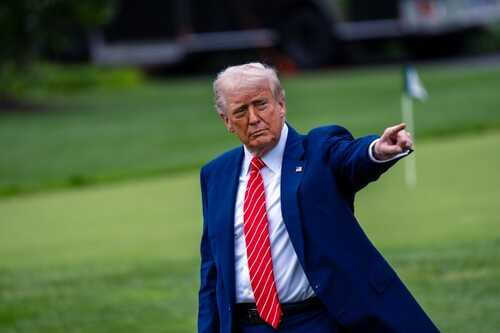
Trump’s intervention in prosecutorial decisions raises alarm over the integrity of the justice system, as the resignation of a U.S. Attorney underscores political pressure.
Story Snapshot
- U.S. Attorney Erik S. Siebert resigns under pressure from Trump.
- Trump demands prosecution of adversaries without sufficient evidence.
- Resignation highlights concerns over the politicization of justice.
- Justice Department’s independence under scrutiny.
Trump’s Influence on Prosecutorial Decisions
In a significant development, Erik S. Siebert, the U.S. Attorney for the Eastern District of Virginia, has resigned after facing intense pressure from President Trump. Siebert was urged to prosecute former FBI Director James B. Comey and New York Attorney General Letitia James, both known adversaries of Trump. The demand for prosecution came despite Siebert’s assessment that there was insufficient evidence against them, raising questions about the integrity and independence of the Justice Department.
Trump’s direct involvement in prosecutorial decisions marks a concerning trend. His public call for Siebert’s removal, which came just hours before the attorney’s resignation, underscores the administration’s willingness to exert influence over legal proceedings. This move has sparked debate among legal experts about the dangers of executive interference in judicial matters and the potential erosion of public trust in a fair and impartial justice system.
Erik Siebert is a public servant who refused to corrupt his office to the dictatorial whims of Donald Trump. This is what we are up against this November https://t.co/xoY054ZnFd
— Dan Helmer (@HelmerVA) September 20, 2025
Background on Key Figures
James B. Comey, fired by Trump in 2017, was a central figure in the investigation into Russian interference in the 2016 election. Letitia James, as the New York Attorney General, has led high-profile cases against Trump, including a major civil fraud suit. Both figures have been frequent targets of the Trump administration’s allegations of bias and misconduct. Despite these accusations, Siebert maintained that there was no substantial evidence to warrant legal action against them, highlighting the tension between political agendas and legal standards.
Siebert’s resignation is not an isolated incident. It follows a pattern of Justice Department officials stepping down under political pressure, reminiscent of previous resignations during Trump’s presidency. This recurring theme raises broader questions about the balance of power and the role of prosecutors in upholding the rule of law amidst political turbulence.
Impact and Reactions
Siebert’s departure leaves a significant void in the leadership of the Eastern District of Virginia, a crucial jurisdiction for national security and political cases. It also amplifies concerns about the potential chilling effect on prosecutorial independence, as legal professionals may hesitate to defy political demands. The resignation has drawn mixed reactions, with Trump’s allies advocating for aggressive legal actions against his opponents, while critics commend Siebert’s stand for integrity.
As the Justice Department grapples with these challenges, the broader implications for the legal and political landscape remain uncertain. The situation highlights the ongoing struggle to preserve democratic norms and the importance of maintaining a clear separation between political influence and judicial processes. This episode serves as a critical reminder of the need for vigilant oversight to ensure justice is administered fairly, free from undue political interference.
Watch the report:BREAKING: U.S. atty. to resign amid pressure from Trump admin. to indict New York AG Letitia James
Sources:
US Prosecutor Resigns After Pressure to Charge Trump Foes
US prosecutor resigns after Trump says ‘I want him out’