
A rabid beaver’s unprovoked attack on an 8-year-old boy at a New Jersey park exposes a troubling gap in public safety oversight as suburban families increasingly encounter wildlife threats in spaces they believed were secure.
At a Glance
- A rabid beaver attacked multiple people, including a child, at Continental Soldiers Park in Mahwah, New Jersey, on May 3, 2026, forcing officials to euthanize the animal after confirming rabies.
- The incident highlights the collision between suburban expansion and wildlife habitat, a pattern driven by decades of poor land-use planning and environmental policies that prioritize development over public safety.
- Victims required rabies post-exposure prophylaxis treatment, with costs reaching thousands of dollars per person—an unforeseen burden on families already squeezed by inflation and healthcare expenses.
- The viral video of the attack sparked public concern about inadequate park safety protocols and wildlife management in increasingly urbanized areas.
A Rare but Preventable Crisis
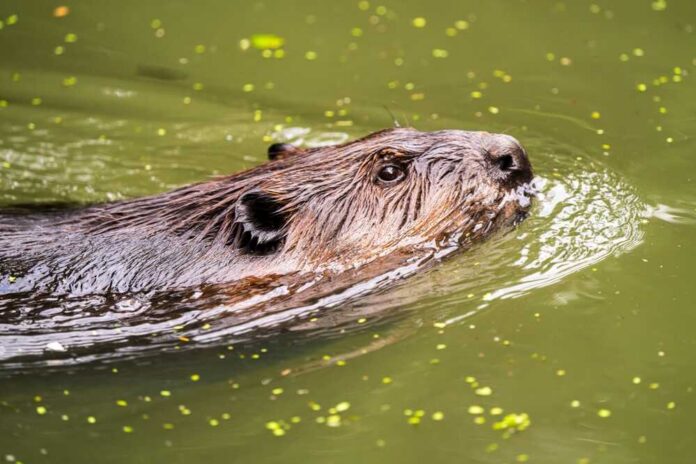
On Sunday evening, May 3, 2026, a beaver emerged from Lake Henry displaying aggressive behavior that deviated sharply from the species’ typically reclusive nature. The animal attacked an 8-year-old boy fishing with his family, biting him on the upper thigh as he fell while fleeing. A family friend intervened by physically fighting off the beaver until emergency services arrived. Video footage captured the chaotic scene, with family members and dogs defending against the animal’s continued assault. Tyco Animal Control captured the beaver that evening, and the Mahwah Township Health Department confirmed rabies on Tuesday, May 5.
Habitat Encroachment and Government Negligence
The attack reflects a systemic failure: decades of unchecked suburban development fragmenting wildlife habitats, combined with minimal public education or preventive management. Continental Soldiers Park, a family recreation area with lake access, sits in Bergen County, where urbanization has compressed beaver populations into closer proximity with residents. New Jersey reports 300 to 400 animal rabies cases annually, yet beavers remain uncommon vectors. This rarity, however, masks a deeper problem—government agencies failed to implement adequate warning systems or wildlife barriers despite documented beaver activity at the site.
The Real Cost: Families Bear the Financial Burden
Multiple victims, including the child, required rabies post-exposure prophylaxis treatment, a medical intervention costing $3,000 to $10,000 per person. For working families already struggling with inflation, healthcare premiums, and stagnant wages, this unexpected expense represents another failure of government to protect citizens from preventable harm. The Mahwah Health Department’s May 5 alert came days after the initial attack, leaving a window where other park visitors remained unaware of the danger lurking in a space they assumed was monitored and safe.
A Pattern of Mismanagement Affecting Public Trust
This incident is not isolated. Pennsylvania experienced a similar rabid beaver attack in 2022, and New Jersey documented a rabid beaver attacking a swimmer in Morris County in 2019. Yet no coordinated, proactive wildlife management strategy emerged. Parks remain open with minimal signage or preventive measures. Officials react after crises rather than anticipate them—a pattern reflecting the broader governmental dysfunction that frustrates Americans across the political spectrum. Whether conservative concerns about government overreach or progressive demands for environmental stewardship, both camps recognize that institutions charged with public safety are failing.
Moving Forward: Accountability and Prevention
The beaver was humanely euthanized after testing confirmed rabies, and bitten individuals received treatment. However, the incident demands scrutiny of park management protocols, wildlife monitoring systems, and emergency communication procedures. Residents deserve clear information about wildlife hazards before tragedy strikes, not days afterward. Mahwah officials must implement visible barriers, educational signage, and coordinated animal control presence during peak recreation hours. Until government agencies prioritize prevention over reaction, families will continue bearing costs—financial, physical, and psychological—for institutional negligence.
The rabid beaver attack serves as a stark reminder that government’s primary obligation—protecting citizens in public spaces—remains unfulfilled. Whether through inadequate wildlife management, delayed emergency alerts, or failure to implement preventive infrastructure, the system failed the families at Continental Soldiers Park. As Americans grapple with eroding trust in institutions, incidents like this reinforce a painful truth: too often, citizens must fend for themselves because those entrusted with their safety simply are not doing the job.
Sources:
Beaver Tests Positive for Rabies After Attacking Several People in New Jersey Park
Rabid Beaver Attacks Boy at Mahwah Park
Rabid Beaver Attacks Boy Fishing in New Jersey Lake
Rabid Beaver Attacks 8-Year-Old Boy in New Jersey Park
Rabid Beaver Attacks 8-Year-Old Boy in New Jersey Park: Officials