A Democratic lawmaker’s behind-the-scenes talks about getting fuel into Cuba are colliding head-on with President Trump’s sanctions strategy—and exposing how quickly “humanitarian” arguments can blur into foreign-policy freelancing.
Quick Take
- Rep. Pramila Jayapal has condemned the Trump administration’s 2026 Cuba oil pressure campaign and publicly argued it is harming civilians.
- Jayapal acknowledged speaking with foreign ambassadors about oil deliveries as critics framed her actions as undermining U.S. sanctions.
- A Russian tanker delivered roughly 700,000 barrels to Cuba during the standoff, highlighting how adversaries can exploit sanctions disputes.
- Key facts remain disputed: available reporting supports advocacy and diplomatic conversations, but does not confirm Jayapal directly “supplying” oil.
What Jayapal Did—and What the Record Actually Shows
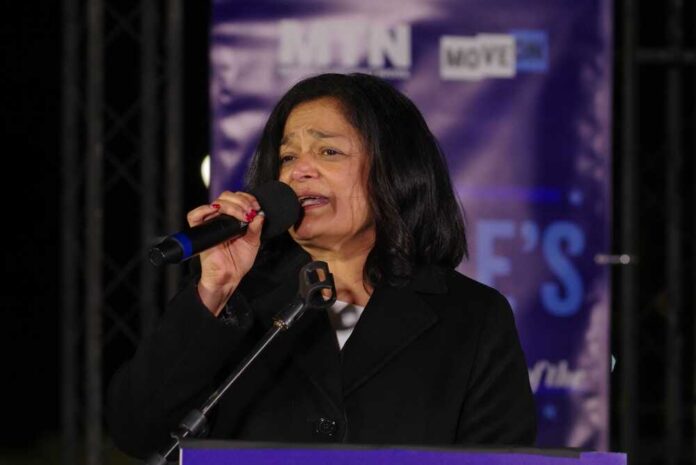
Rep. Pramila Jayapal (D-WA) became the most visible congressional critic of President Trump’s near-total oil blockade on Cuba, imposed in January 2026 as part of a renewed “maximum pressure” approach. Public reporting indicates Jayapal traveled to Cuba in April, met with officials and civil society, and promoted a letter signed by dozens of House Democrats demanding an end to fuel restrictions. In subsequent interviews, she described the blockade as “illegal” and “outrageous” and argued it is squeezing ordinary Cubans.
The sharpest political controversy centers on Jayapal’s own description of speaking with foreign ambassadors about oil deliveries to the island. Critics argue those contacts amount to working around U.S. sanctions; supporters frame them as routine diplomacy in service of humanitarian relief. Based on the research provided, the strongest verifiable claim is that Jayapal advocated against the blockade and discussed the issue with diplomats—while evidence remains limited that she executed or directed an actual sanctions-busting oil shipment.
Trump’s Cuba Oil Pressure Campaign and the “Workaround” Problem
The Trump administration’s 2026 policy aims to choke off Cuba’s access to imported fuel, a critical vulnerability for an economy that relies heavily on oil imports. Reports describe widespread blackouts and deep economic stress after months of tightened fuel access. The administration’s argument—consistent with earlier embargo-era logic—is that economic pressure can force political change. The counterargument, echoed by international critics, is that broad pressure can function like collective punishment when shortages hit civilians first.
Even as Washington tries to restrict flows, the blockade’s durability depends on enforcement and global compliance. A key data point in the current dispute is that a Russian tanker reportedly delivered about 700,000 barrels to Cuba, enough for roughly 10 to 14 days of supply. That shipment matters politically because it illustrates the basic limitation of sanctions: rivals can turn enforcement gaps into influence. It also complicates narratives on both sides—pressure is not airtight, and “humanitarian” exceptions can become strategic openings.
Where Congress Enters the Fight: Limiting Escalation, Not Just Sanctions
Jayapal’s opposition did not stop at rhetoric. On March 26, she and Rep. Gregory Meeks introduced legislation aimed at preventing military action against Cuba, a reminder that sanctions disputes can escalate into broader security questions. For conservatives who prefer constitutional checks and clear lines of authority, that legislative move is distinct from backchannel diplomacy: Congress has formal powers, while individual members attempting to shape foreign outcomes through ambassadorial conversations can appear to sidestep accountable decision-making.
At the same time, conservatives also have reason to scrutinize whether indefinite sanctions deliver measurable results. The research includes claims that the policy has not achieved its aims historically and that the United Nations has repeatedly voted to condemn the broader embargo framework. Those international votes do not determine U.S. policy, but they do signal that enforcement pressure often isolates America diplomatically—creating space for competitors like Russia to posture as the “alternative supplier” while U.S. leaders shoulder the blame for shortages.
Treason Talk vs. Verifiable Conduct: Separating Heat From Light
Some commentary and coverage pushed the story into explosive territory, using language such as “treason” to characterize Jayapal’s stance. The evidence summarized does not establish that she illegally supplied oil or directly coordinated an illicit shipment; it does establish that she publicly opposed the administration’s strategy, visited Cuba, and spoke with foreign representatives about oil access. In a polarized climate, that distinction matters: voters deserve precision, not slogans, when accusations carry criminal implications.
Rep. Jayapal Openly Defies Trump Sanctions, Works with Foreign Nations to Supply Oil to Cuba https://t.co/NEJpDBWpff
— Dallys1515 💋 (@Dallys1515) May 7, 2026
The deeper takeaway is institutional, not personal. When lawmakers conduct quasi-diplomacy against their own government’s sanctions policy, it fuels the broader public suspicion—left and right—that Washington’s priorities are fragmented and self-serving. Conservatives see a challenge to executive authority and national leverage; many liberals see a moral objection to blunt-force sanctions. Either way, the episode underscores a shared frustration: the federal government struggles to execute coherent, accountable policy that protects American interests without drifting into open-ended pressure campaigns.
Sources:
https://responsiblestatecraft.org/us-blockade-cuba/
https://www.commondreams.org/news/jayapal-jackson-cuba-trip
https://www.foxnews.com/politics/dem-representative-admits-working-mexico-sneak-oil-cuba-blockade