A sudden holiday storm turned a peaceful Wisconsin lake into a deadly scene, raising tough questions about weather alerts and public safety.
Story Snapshot
- Three people died and seven were rescued after a boat capsized on Geneva Lake during a fast-moving storm.
- National Weather Service tornado and severe thunderstorm warnings were active, yet boaters received no clear, targeted alerts.
- Witnesses describe dark skies, fierce winds, and chaos as emergency crews rushed in from across the region.
- The tragedy fits a broader pattern of sudden Midwest holiday storms that hit busy recreational areas with little practical warning.
Deadly Storm Slams Popular Lake As Boat Capsizes
Friday midday on Geneva Lake in southern Wisconsin, a strong storm rolled in from the west and turned a busy tourist spot into a disaster scene. Investigators say a boat carrying ten people capsized a few hundred yards from shore as the weather suddenly shifted, throwing everyone into the water. Seven were rescued alive, but three people were killed in the chaos. The loss hit during a crowded holiday weekend, when families expected fun, not tragedy, on the water.
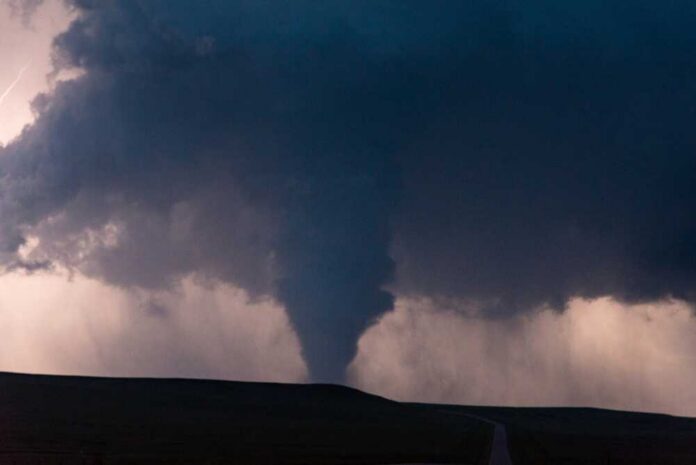
National and local reports say the storm brought dark skies, heavy rain, and powerful winds that made the lake “terrifying” for boaters caught outside. The National Weather Service had severe thunderstorm and tornado warnings in effect for parts of southeast Wisconsin and the Chicago region as the line of storms pushed through. The same system downed trees and power lines, flooded parks, and knocked out power for tens of thousands of residents around the area. This was not a surprise pop-up shower; it was a known severe weather event.
Emergency Response: Heroic Effort Amid Chaos On The Water
Once the boat went over, emergency crews moved fast but faced brutal conditions on the lake. Fire officials activated a water rescue box for multiple people in the water, and at least a dozen boats joined the search and rescue effort. Police and fire crews worked near Big Foot Beach and along the shoreline, scanning for victims as the storm damage made movement harder. Downed trees, damaged property, and rough water all slowed the response, even as rescuers tried to reach every person thrown overboard.
Witnesses on shore and nearby boats describe a frightening scene as the storm hit. One witness said everything was suddenly “up for grabs,” with beachgoers and boaters scrambling as the wind and rain surged. Videos from the lake show conditions turning from manageable to dangerous in minutes, with waves and wind battering boats and docks. For the families involved, those minutes meant the difference between a routine afternoon on the water and a life-altering disaster they could not outrun.
Warnings, Accountability, And A Troubling Pattern For Holiday Boaters
While severe weather alerts were issued for the region, officials have not confirmed any specific, targeted warnings sent directly to boaters on Geneva Lake before the capsizing. Undersheriff statements show some local leaders personally saw storm warnings, but there is no clear record that boaters received direct guidance to leave the water or avoid launching. This gap raises serious questions about how agencies handle real-time risk in busy recreation areas, especially during high-traffic holiday weekends.
Authorities also have not publicly released full details on the victims, including ages, hometowns, or how the boat was loaded. Some reports and social posts say children were among the dead, but official records have not confirmed this, leaving families and the wider community without clear information. The Wisconsin Department of Natural Resources boating crash database tracks fatalities statewide, yet this case still lacks a full public breakdown of vessel data, passenger list, and inspection history. That silence limits real accountability and prevents lessons that could save lives.
Midwest “Ring Of Fire” Storms And What Comes Next
Meteorologists point out that this tragedy fits a larger pattern of sudden “ring of fire” storms that slam the Midwest around the Fourth of July. Past events have brought flash flooding and tornadoes to southeast Wisconsin with fast-moving lines of thunderstorms that leave little time for people on lakes and rivers to react. Similar stories have played out on other large inland lakes, where boaters say calm water turned dangerous in minutes and strong winds flipped vessels before they could reach shore.
For many readers, this disaster touches a nerve: families doing everything right still get blindsided, while systems meant to protect them seem slow and vague. The facts here point to a clear need for better real-time alerts for boaters, clearer rules about staying off the water during severe weather, and more transparent reporting after incidents so the public can see what went wrong. That kind of openness and preparedness respects life, honors grieving families, and supports the personal responsibility that conservatives value.
Sources:
foxnews.com, cbs2iowa.com, instagram.com, facebook.com, tmj4.com, cbsnews.com, fox6now.com, reddit.com, weather.gov, youtube.com, tiktok.com, wpr.org