
Leaders in Latin America are facing record-low approval as their radical agendas unravel, exposing the dangers of failed socialist policies and fueling a regional shift back toward conservative common sense.
Story Highlights
- Colombian President Gustavo Petro and Venezuela’s Nicolás Maduro are now the least popular South American leaders due to failed reforms and public disillusionment.
- Petro’s dramatic fall from leftist hero to political liability is tied to stalled reforms, security crises, and eroding trust in government.
- Widespread backlash against leftist policies signals a growing appetite for conservative, pro-liberty leadership across the region.
- The ongoing turmoil threatens regional stability, democratic institutions, and the economic future for millions.
Petro’s Collapse: From Socialist Hopes to Public Disapproval
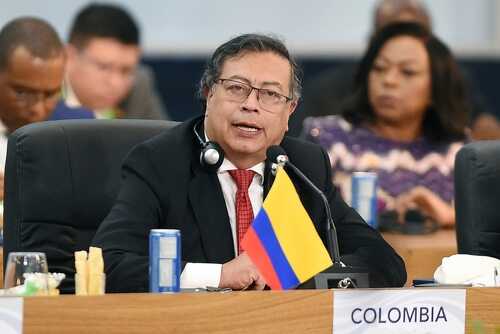
Colombian President Gustavo Petro, once touted as a symbol of the Latin American left’s resurgence, has seen his approval ratings plummet since taking office in 2022. After winning as Colombia’s first leftist president, Petro promised sweeping reforms in peace, healthcare, and economic justice. Just three years later, multiple polls show his disapproval soaring to 63–64%, with approval stuck at a meager 29–30%. The public’s patience has worn thin as promised reforms have stalled and scandals have eroded trust in his administration. Citizens across age groups—both young and old—have voiced frustration over security failures, economic stagnation, and what many see as a government out of touch with real-world needs.
Petro’s much-publicized “Total Peace” initiative, aimed at negotiating with armed groups, has failed to deliver real security. Violence and displacement persist, while Congress has rejected or watered down his signature reforms on healthcare, pensions, and labor. The resulting legislative gridlock and policy confusion have only deepened public skepticism. Meanwhile, ongoing cabinet turnover and scandals have created a sense of chaos at the heart of government, further undermining confidence. As a result, opposition figures like Miguel Uribe Turbay are gaining traction ahead of Colombia’s 2026 election, especially after high-profile incidents such as assassination attempts have brought national attention to the growing instability.
#Internacional | Según CB Consultora Opinión Pública con sede en Buenos Aires, el presidente Gustavo Petro ocupa el séptimo puesto entre diez mandatarios en cuanto a popularidad en Sudamérica con un 38,1% de imagen positiva y 59,7% de imagen negativa. pic.twitter.com/qUYFCScQ6l
— La FM (@lafm) October 29, 2025
Maduro’s Authoritarian Decline and Venezuela’s Continued Crisis
Venezuela’s Nicolás Maduro, a mainstay of the socialist left, continues to preside over one of the world’s most severe economic and humanitarian disasters. His regime, marked by authoritarian control, hyperinflation, and international sanctions, remains deeply unpopular not just at home but across the region. Millions have fled Venezuela’s collapsing economy, creating a refugee crisis that strains neighboring countries and further undermines confidence in leftist governance. Despite different political systems, the shared fate of Petro and Maduro in the polls highlights widespread regional exhaustion with radical, big-government experiments that erode personal freedom and prosperity.
International observers, including the U.S. government and regional organizations, have expressed growing concern about Colombia and Venezuela’s political direction. With Petro’s reforms stalled and Maduro’s grip on power unshaken despite mass emigration, both countries stand as cautionary tales for what happens when government overreach, inflation, and disregard for constitutional norms go unchecked. The failures of these regimes have fueled talk of democratic backsliding and increased the appeal of leadership firmly rooted in constitutional values, rule of law, and protection of individual rights.
Regional Backlash Against Leftist Agendas and Implications for 2026
The collapse in popularity of Petro and Maduro is more than a personal repudiation—it signals a broader regional backlash against leftist overreach and government expansion. Colombian citizens, facing rising unemployment, persistent poverty, and surging emigration, are increasingly looking for leaders who will restore economic stability, tackle crime, and respect constitutional boundaries. The political climate is now highly volatile as Colombia approaches its 2026 presidential election, with conservative and centrist opposition gaining momentum. The shift reflects a growing demand for governance grounded in family values, personal responsibility, and national sovereignty—values that resonate with millions of Americans who have watched similar trends play out under previous U.S. administrations.
Short-term, both Colombia and Venezuela are at heightened risk for further political instability and legislative gridlock. In the long term, the region could see a decisive turn away from radical leftist policies, as voters seek leadership that prioritizes security, economic opportunity, and respect for tradition. The failures of Petro and Maduro stand as a stark warning against unchecked government power and the dangers of utopian promises that undermine constitutional order. As Latin America’s left falters, opportunities are growing for principled, pro-liberty leadership to restore confidence and stability—both at home and abroad.
Watch the report: Cae la imagen de Gustavo Petro y es uno de los presidentes menos populares de Sudamérica
Sources:
Poll: Colombia’s Gustavo Petro, Venezuela’s Maduro Least Liked Leaders in South America
Petro’s disapproval rises to 64% as Colombians abandon leftist agenda
Gustavo Petro Middle Tier South American Popularity October 2025
Take Colombia’s Risk of Democratic Backsliding Under Petro Seriously
Presidente Gustavo Petro Among Lowest in Popularity in Latin America New Survey Reveals