

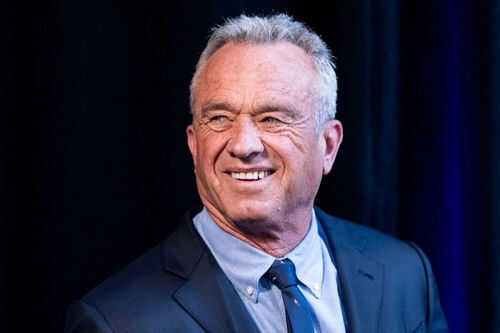
FDA poised to reverse Biden-era safety bans on risky peptides under RFK Jr.’s influence, potentially exposing Americans to unproven drugs amid committee vacancies and lacking clinical evidence.
Story Highlights
- FDA schedules July 23-24, 2026, meeting to reconsider easing Category 2 restrictions on seven peptides like BPC-157 and TB-500, banned in 2023 for cancer risks.
- HHS Secretary RFK Jr. publicly endorses peptides, calling himself a “big fan” after personal use, claiming prior ban was “illegal.”
- Advisory committee has six vacancies, raising concerns over biased decisions favoring wellness influencers over science.
- Critics warn reversal prioritizes MAHA agenda and celebrity trends, undermining FDA standards built on evidence.
- Peptides remain popular via gray markets despite safety gaps, fueling elite-driven health fads disconnected from rigorous testing.
RFK Jr. Drives FDA Review of Banned Peptides
The FDA announced on April 15, 2026, a public meeting of its Pharmacy Compounding Advisory Committee for July 23-24 to evaluate shifting seven peptides from Category 2 restrictions to allowable Category 1 status. These include BPC-157 and TB-500, banned in 2023 under President Biden for safety risks like cancer promotion. HHS Secretary Robert F. Kennedy Jr. previewed this shift in a recent Joe Rogan podcast, stating, “I’m a big fan of peptides… used them myself with really good effect on a couple of injuries.” He labeled the 2023 ban “illegal,” aligning with his Make America Healthy Again push against overregulation. This marks a stark reversal from prior tightenings.
Historical Safety Concerns Ignored in Potential Reversal
Peptides, short amino acid chains injected for unproven benefits like injury healing, muscle growth, and anti-aging, evaded full FDA approval through compounding pharmacies until 2023. That year, the FDA placed 19 such substances on its Category 2 list after nominations highlighted immunogenicity, toxicity, and cancer risks. January 2025 rules further enforced bulk substance limits, directing industry toward formal clinical trials. Wellness influencers like Gary Brecka and celebrities amplified demand, driving gray-market sales. RFK Jr.’s advocacy now challenges these protections, despite no new safety data emerging since the bans.
Committee Vacancies Raise Bias Alarms
The Pharmacy Compounding Advisory Committee reviewing these peptides faces significant gaps: no chairperson, consumer representative, three voting members, or industry representative. RFK Jr., as HHS head overseeing FDA, exerts direct influence, prompting critics like Public Citizen to accuse the agency of “bowing to RFK Jr.” without evidence justifying recategorization. Former FDA officials emphasize the 2023 decision rested on documented risks, insisting standard trials—not regulatory shortcuts—protect public health. This setup echoes deep state frustrations, where unelected bureaucrats prioritize access over accountability.
Compounding pharmacies mix custom drugs for patients lacking commercial options under 503A and 503B frameworks. Category 1 permits positively reviewed substances; Category 2 bars those posing significant risks. Proponents argue regulated compounding beats black-market dangers, but opponents stress unproven efficacy demands full approval processes. Both conservatives wary of big government overreach and liberals demanding safety equity see elite influencers profiting while everyday Americans risk health.
Impacts Fuel Bipartisan Distrust in Federal Agencies
Short-term, approval would expand compounding access, boosting sales for MAHA-aligned sellers but heightening adverse event risks absent clinical backing. Long-term, it erodes FDA credibility, setting precedents for other unapproved therapies and bypassing trials essential to limited-government principles favoring personal responsibility. Wellness enthusiasts and patients with conditions like ulcerative colitis gain options, yet public health faces threats from impurities and unknowns. Economic gains favor industry players, widening divides as elites bypass science. This development underscores shared citizen anger: federal agencies serve powerful interests, not the American people striving for health through proven paths.
Sources:
Easing Restrictions on Peptides: Will the FDA Stand for Science or Toady Up to RFK Jr.?
FDA to weigh easing limits on unproven peptides favored by RFK Jr.
FDA to weigh easing limits on unproven peptides favored by RFK Jr.
New FDA Rules Are Reshaping the Peptide Industry
An FDA Reversal on Peptides Could Open the Market to Unsafe Drugs
Certain Bulk Drug Substances for Use in Compounding May Present Significant Safety Risks