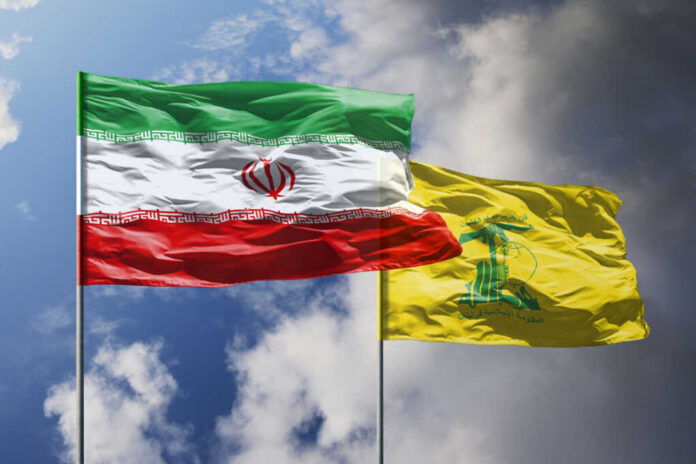
Iran is attempting to turn U.S.-backed peace talks into a cash-and-proxy bargain by demanding billions in unfrozen assets and a Lebanon ceasefire that would shield Hezbollah before negotiations even begin.
Quick Take
- Iran’s parliament speaker said talks in Islamabad cannot start unless blocked Iranian assets are released and a Lebanon ceasefire is secured.
- President Trump announced a two-week mutual ceasefire on April 7, but key flashpoints—especially Lebanon and the Strait of Hormuz—remain unresolved.
- Reports disagree on whether Iran’s preconditions were ever “mutually agreed,” and the White House had not publicly confirmed them as of April 10.
- Frozen-asset leverage sits at the center of U.S. sanctions policy, raising questions about enforcement and what any cash release would finance.
Iran’s preconditions put Islamabad talks on shaky ground
Iranian Parliament Speaker Mohammad Bagher Ghalibaf publicly declared on April 10 that U.S.-Iran talks slated for April 11 in Islamabad, Pakistan, should not proceed unless two steps happen first: releasing blocked Iranian assets and securing a ceasefire in Lebanon. Multiple reports framed the demand as a last-minute hurdle as Pakistan prepared to host high-level direct talks. As of April 10, coverage also indicated no public White House response addressing whether those terms were acceptable.
Iran’s Terror Regime Throws Last-Minute Tantrum — Demands Release of Billions in Blocked Assets and Full Ceasefire for Hezbollah in Lebanon Before Peace Talks Can Proceed https://t.co/WZhV909p4x #gatewaypundit via @gatewaypundit
— wisemom113 (@wisemom113) April 11, 2026
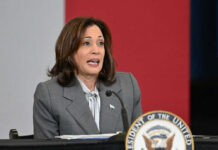
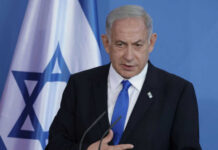
The timing matters because Vice President J.D. Vance was reported to be traveling for the talks as Iran’s position hardened publicly. At the same time, Israeli operations against Hezbollah in southern Lebanon were described as continuing, with some reporting indicating Israel did not treat Lebanon as covered by the ceasefire arrangement tied to U.S.-Iran hostilities. That creates an immediate practical problem: Iran’s ask is not only about U.S. policy, but also about constraining an active battlefield where Washington does not directly command outcomes.
Trump’s two-week ceasefire reduced direct attacks, not regional spillover
President Trump announced on April 7 a two-week mutual ceasefire with Iran, describing progress toward resolving most issues and pointing to Iran’s proposals as a basis for talks. Reporting said Iran would halt “defensive attacks” and indicated the Strait of Hormuz could reopen if strikes stopped. Yet the broader region has not snapped into a neat pause. With Lebanon still volatile and maritime risks still looming, the ceasefire looks less like a comprehensive settlement than a narrow pause meant to create room for diplomacy.
That gap between a limited ceasefire and a broader peace framework is where Iran’s latest demands land. Conditioning talks on a Lebanon ceasefire effectively links the U.S.-Iran track to Iran’s proxy ecosystem, especially Hezbollah. For Americans who prefer clear, enforceable agreements, this is a familiar pattern: diplomacy becomes a bundle deal where concessions in one arena are traded for quiet in another—often with blurred lines about verification and enforcement. The research available does not confirm U.S. agreement to these conditions.
Blocked assets are leverage—releasing them raises enforcement questions
Several outlets described tens of billions—up to roughly $100 billion—of Iranian assets as frozen abroad due to long-running U.S. sanctions, especially tied to oil and gas revenues held in foreign banks. A TASS report cited an Iranian source saying asset unfreezing needed to happen within two weeks ahead of the Islamabad talks. That framing underscores Iran’s priority: money first. From a limited-government, rule-of-law standpoint, sanctions only work if enforcement is predictable and relief is tied to measurable compliance, not demanded as an entry fee.
Concerns about what any asset release could enable also remain unresolved. Coverage highlighted the risk that cash access could strengthen Tehran’s regional posture, including backing aligned groups, while other reporting portrayed the preconditions as justified and “mutually agreed.” The key factual limitation is that public documentation of a U.S. commitment to these pre-talk steps was not shown. Without transparent terms, Americans are left judging outcomes after the fact, which fuels bipartisan suspicion of elite dealmaking.
What to watch next: verification, sequencing, and who controls Lebanon
The immediate question is procedural: whether the Islamabad meeting occurs and, if it does, whether talks begin without Iran’s stated preconditions being met. The strategic question is sequencing—does the U.S. treat asset access as leverage to be released only after verified steps, or as a goodwill gesture that could be difficult to reverse? A separate issue is authority: even if Washington wanted a Lebanon ceasefire, Israel’s campaign against Hezbollah has its own drivers, and that complicates any promise Iran demands upfront.
For voters already convinced Washington often operates for insiders first, this episode has the ingredients that trigger distrust: vague claims of “mutual agreement,” enormous sums of money, and a demand that blends diplomacy with protection for an armed proxy group. It supports the reality of Iran’s stated preconditions and the fragile nature of the ceasefire window. What it does not yet provide is confirmed U.S. acceptance—meaning the next official statements and any written framework will matter as much as the headlines.
Sources:
https://tass.com/economy/2114443
https://www.tbsnews.net/world/iran-demands-lebanon-ceasefire-unfreezing-assets-peace-talks-1408226