

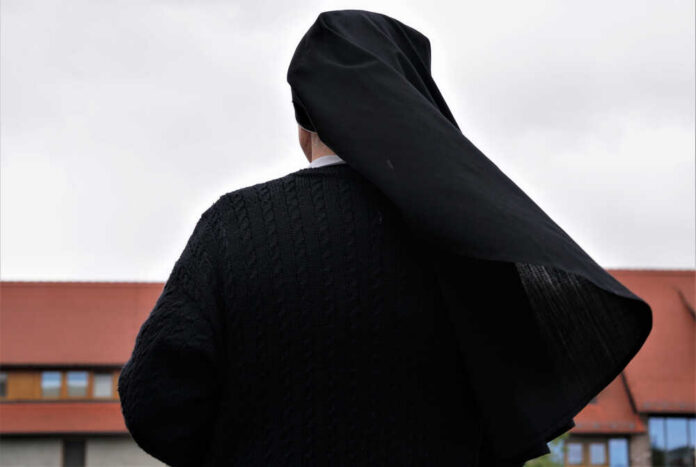
Catholic nuns caring for the terminally ill poor now face New York state’s demand to affirm gender transitions, risking their First Amendment rights in a brazen assault on religious liberty.
Story Highlights
- Catholic nuns sued New York on April 7, 2026, claiming the state’s transgender rights law forces them to violate core religious beliefs in patient care.
- The law targets nursing facilities, requiring affirmation and facilitation of gender transitions, clashing directly with the nuns’ faith-based mission.
- This follows New York’s recent retreat from a decade-long abortion mandate battle after repeated Supreme Court rebukes favoring religious freedom.
- Recent Supreme Court rulings like Fulton and Catholic Charities bolster the nuns’ case, signaling protection for faith-driven organizations.
- The litigation exposes ongoing state overreach, frustrating Americans on both sides who see government prioritizing agendas over constitutional principles.
Lawsuit Targets State Overreach in Healthcare
Catholic nuns operating a nursing facility for terminally ill poor patients filed suit against New York on April 7, 2026. They challenge a state law mandating that nursing facilities affirm and facilitate gender transitions. The religious order argues this requirement compels actions directly contradicting their sincerely held beliefs. Providing end-of-life care rooted in Catholic doctrine, the nuns view the mandate as a profound violation of conscience. This early-stage litigation invokes the First Amendment’s Free Exercise Clause, seeking to shield their mission from state-imposed ideology.
New York’s History of Religious Liberty Clashes
New York state has repeatedly clashed with religious organizations over conscience rights. In 2017, it imposed an abortion mandate requiring employers to cover abortifacients and surgical abortions, narrowing exemptions to groups primarily serving their own faith. The U.S. Supreme Court intervened multiple times, vacating lower rulings in light of Fulton v. City of Philadelphia in 2021 and Catholic Charities Bureau in 2025. By January 2026, New York dropped the case, conceding after a decade of legal defeats. This pattern underscores the state’s persistent push against faith-based exemptions in healthcare.
The nuns’ current challenge fits this historical context, where state regulations burden religious exercise. Supreme Court precedents now prohibit demanding theological criteria for exemptions, applying stricter scrutiny to laws substantially burdening faith. Becket Law Firm, frequent defender in such cases, has affirmed that religious groups should not face bullying for fidelity to their beliefs. Even as President Trump’s administration advances America First priorities federally, blue states like New York test constitutional limits.
Supreme Court Precedents Favor Religious Providers
The Supreme Court’s trajectory strongly supports the nuns. In Fulton v. City of Philadelphia, it protected religious foster agencies from nondiscrimination mandates conflicting with doctrine. Catholic Charities Bureau further ruled that states cannot impose faith-based litmus tests for exemptions. These decisions establish that generally applicable laws must accommodate religious exercise if they substantially burden it. Legal experts anticipate this case testing those principles against transgender rights provisions in healthcare settings.
Religious liberty advocates see the lawsuit as a logical extension of these victories. New York’s law, like prior mandates, demands participation in practices anathema to Catholic teaching on human dignity and biology. Meanwhile, frustrations mount across the political spectrum with elite-driven policies that erode founding principles of limited government and individual rights.
Implications for Faith, Care, and National Precedent
A victory for the nuns could exempt religious nursing facilities from transgender affirmation requirements, preserving their ability to serve the vulnerable without compromise. Short-term, it introduces regulatory uncertainty for healthcare providers navigating compliance. Long-term, success may curb state non-discrimination laws targeting faith groups nationwide, influencing sectors like education and employment. Transgender patients might face care gaps at religious facilities, highlighting tensions between access and conscience.
This case underscores a bipartisan concern: government officials more focused on power than solving real problems blocking the American Dream. Conservatives decry woke overreach eroding traditional values; liberals lament elite corruption. Both recognize the deep state prioritizing agendas over people. As litigation unfolds, it tests whether constitutional safeguards endure against state ambitions.
Sources:
New York Ends Fight to Force Nuns to Pay for Abortions
Catholic nuns serving dying patients fight New York transgender law
NY state drops case to mandate religious groups cover abortion in employee health insurance
Catholic Nuns Sue Over New York LGBTQ Care Law