At the NATO summit in Turkey, President Trump stunned Europe by demanding U.S. control of Greenland and threatening to pull American troops from the continent if allies do not step up.
Story Snapshot
- Trump renewed his demand that the United States, not Denmark, control strategically vital Greenland.
- He warned he could pull U.S. troops out of Europe, putting real pressure on NATO countries that rely on American defense.
- He blasted European allies over Iran and defense spending, saying too many let the United States down.
- Danish and Greenland leaders quickly rejected any U.S. takeover, deepening a long‑running clash over Arctic power.
Trump Uses NATO Summit To Demand Real Burden Sharing
At the NATO summit in Ankara, President Trump again told Europe what many American taxpayers have felt for years: U.S. allies enjoy American protection but drag their feet on paying their fair share. During meetings with Turkish President Recep Tayyip Erdogan, Trump said some NATO members “let him down” on support for his Iran policy and on defense spending, even as they tout new weapons deals. His message was simple and firm: no more free ride on the backs of U.S. soldiers and U.S. taxpayers.
Trump’s hard line fits the pattern of his earlier term, when he repeatedly warned NATO that American troops and money are not automatic. He has long argued that the alliance only works if members treat it like a serious contract, not a charity. Policy analysts note that Trump has pushed allies toward higher spending in the past, forcing long‑delayed increases that Washington had sought for years. At Ankara, he again made clear that American defense should serve American interests first.
Greenland Fight Shows Bigger Battle Over Arctic Power
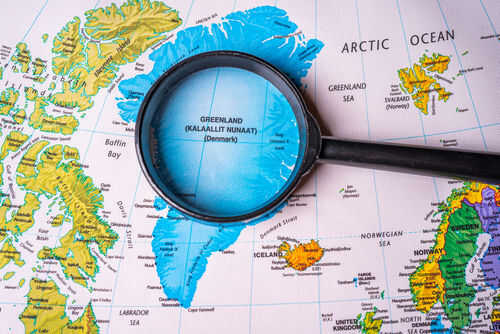
Trump did more than talk about budgets; he went straight at control of the Arctic gateway. In public remarks, he said Greenland “should be controlled by the United States, not by Denmark,” calling the huge island vital to U.S. security. Greenland gives whoever controls it a key position between North America and Europe, near shipping lanes and missile paths over the pole. The Pentagon has long viewed the Arctic as a growing front line as Russia and China push further north.
Danish and Greenland leaders fired back, showing how deep this dispute now runs. Greenland’s prime minister Jens‑Frederik Nielsen said the island would choose Denmark over the United States if forced, and that a takeover is not acceptable under any terms. Five Greenland parties issued a joint statement rejecting Trump’s push outright. Denmark’s foreign minister spoke of a “fundamental disagreement” with Trump on Greenland and said a sale or transfer does not serve the kingdom’s interests. European governments, including the United Kingdom, Germany, Italy, and Spain, backed Denmark and insisted that Greenland’s people decide their own path.
Troop Threat Puts NATO On Notice, Media Spins Chaos
Trump also raised the stakes by saying he could pull American troops out of Europe if allies keep ignoring U.S. concerns. This shook European capitals that have depended on the U.S. security umbrella for generations. Policy experts say this kind of transactional diplomacy is now Trump’s signature move: he uses the threat of withdrawal to force serious talks on spending and strategy instead of more vague promises. NATO’s secretary general has tried to calm nerves, talking up a “complete commitment,” but Trump’s words make clear that commitment comes with conditions.
As usual, mainstream outlets rushed to paint Trump’s stand as reckless and even dangerous. Reports focused on “rekindled disputes” and “annexation threats,” while giving little space to the core grievance of many Americans: Europe has relied on U.S. power while underfunding its own militaries. Commentators warned of NATO “credibility” problems under Trump’s leadership, but many admit his pressure has already pushed allies to spend more and sign larger defense deals. For conservative readers, the media’s tone shows the same old pattern—alarm over Trump’s words, silence over years of European free‑riding.
Denmark Cites Old Pledge, But Questions Remain About U.S. Options
To push back on Trump, Denmark points to a 1916 U.S. declaration that recognized Danish sovereignty over Greenland and said America would not object to Danish control. Danish officials treat this statement as proof the island is off the table for Washington. Legal experts note, however, that the old declaration was not a modern treaty spelling out every scenario; it reflected the balance of power at the time, long before Arctic competition with Russia and China. Trump’s team argues that today’s threats require fresh thinking, not blind loyalty to a century‑old paper.
Still, the White House has not released a formal legal roadmap for any change in control of Greenland. No new treaty text, purchase plan, or referendum idea has been made public. For now, the fight is mostly political: Trump is using Greenland to force Europe to face the reality of Arctic security, while Denmark and Greenland dig in to protect their status. As long as NATO depends on U.S. power, Trump’s leverage remains strong—and the clash between American interests and European comfort will stay at the heart of this debate.
Sources:
insiderpaper.com, reuters.com, nato.int, en.wikipedia.org, instagram.com, pbs.org, apnews.com, youtube.com, time.com, bbc.com, facebook.com, nordics.info, bakerinstitute.org