Claims that Turning Point USA faked a Charlie Kirk succession video with artificial intelligence are collapsing under new scrutiny.
Story Highlights
- Commentators flagged visual oddities and alleged the Kirk clip was AI-made, but evidence is thin [2].
- A video editor says the “glitches” in a separate Trump clip fit a normal morph-cut edit, not AI [1].
- A tech forum test rated the Trump clip at only 2% likely AI-generated, undercutting panic claims [3].
- Experts say platforms mislabel synthetic media, feeding confusion and outrage cycles [19].
What Sparked The AI Allegations
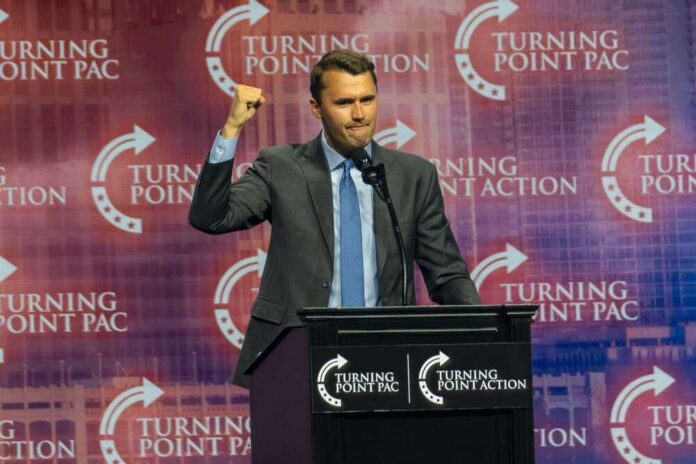
Turning Point USA faced fire after a video showed Charlie Kirk endorsing Erika Kirk as a possible successor. Critics said the clip looked fake and called it an artificial intelligence render. A report cited a podcast claim that Turning Point USA “admitted” using artificial intelligence, but the outlet also said it could not verify those claims. That mix of charge and caveat fueled a rush to judgment online without firm proof, and it hardened suspicion inside a grieving movement [2].
As the noise grew, some creators pointed to “tells” like skin smoothing, sharp edges, and jump cuts. Those traits became the basis for the artificial intelligence accusation, even though such traits also match common post-production steps. The gap between what people think artificial intelligence “looks like” and what normal editing looks like widened the confusion. That gap is where bad actors and clout-chasers often thrive, especially when platforms reward hot takes and fast reacts instead of careful checks [2].
The Editing vs. AI Line: What We Actually Know
Separate from the Turning Point USA clip, a widely shared claim said a White House message by President Trump after the shooting showed artificial intelligence glitches. A video specialist reviewed the visible artifacts and said they match a standard “morph cut,” which blends frames to smooth a jump between takes. He said artificial intelligence did not generate the speech. That basic explanation fits what editors use to clean stutters or link phrases in a tight timeline for public statements [1].
One online tester also ran the Trump clip through a detector and got a two percent artificial intelligence score. That result is not proof by itself, but it pushes against the “obvious deepfake” narrative. Together, the edit analysis and the low score show how easy it is to mistake normal compression, sharpening, and denoise for something sinister. Many users see a blur or a seam and jump to artificial intelligence. In most cases, it is just video workflow under pressure to publish fast [3].
Candace Owens’s Caution And The Missing Forensics
Commentator Candace Owens told viewers the circulated video of Charlie Kirk did not look fully artificial intelligence generated. She said it looked like real event footage that was edited, compressed by social media, and maybe enhanced with sharpening or color tweaks. She allowed that artificial intelligence tools could have helped with enhancement. That is a key point: enhancement is not the same as full generation. No independent lab report confirming generation or fabrication has been made public so far [5].
Allegations about an audio clip naming Erika Kirk as successor also lack a released, unedited source file and a neutral forensic review. That missing step keeps the debate in rumor territory. Without a verified master and chain of custody, firm claims about generation or splicing rest on vibes, not evidence. Critics ask why a full video was not posted; Turning Point USA said it held back because bad-faith actors would scream “artificial intelligence” anyway. That trust gap needs facts to close, not more heat [11].
The Bigger Threat: Platforms, Labels, And Weaponized Confusion
Researchers say social sites often fail to tag artificial intelligence media, and the flood of synthetic content blends with memes and monetized outrage. Less than one third of artificial intelligence posts in one audit were labeled correctly. That failure drives cycles where normal edits get called deepfakes, while real synthetic clips skate by. The result is a fog that hurts truth-seeking, punishes good actors, and rewards those who inflame our worst fears for clicks and cash [19].
The video of Charlie Kirk was not ai. He wanted Erika to run TPUSA if anything happened to him. Stay mad nerds.
— Drew (@AllegedlyDrew) June 22, 2026
Conservatives should demand simple rules that protect speech and punish deception. First, release originals with full context when stakes are high. Second, seek independent forensic checks before drawing hard lines. Third, press platforms to fix labels and stop feeding mob reactions. Our movement wins by telling the truth, not by chasing rumors. Do not let artificial intelligence panic steal focus from what matters: defending free speech, guarding election integrity, and honoring Charlie’s legacy with clarity and facts [22].
Sources:
[1] YouTube – “I Was Wrong” – Team Addressed Kirk TPUSA AI Video Controversy
[2] Web – Trump’s video about Charlie Kirk is being accused of using AI. A …
[3] Web – Erika Kirk under fire over allegations TPUSA used AI video of …
[5] Web – Assessing Tech Platform Responses Following the Assassination of …
[11] Web – Prove Me Wrong Episodes with Charlie Kirk | Turning Point USA
[19] YouTube – How TPUSA Is Carrying Charlie Kirk’s Legacy Forward
[22] Web – Synthetic video tools put truth, and the next election cycle, under …