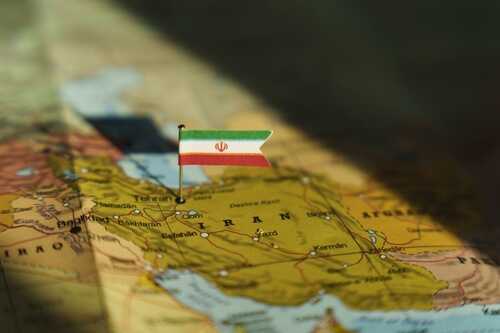
Iran has threatened retaliation if UN sanctions are reimposed over its nuclear activities, exposing global divisions and setting the stage for another Middle East standoff.
At a Glance
- Iran warns of consequences if UN sanctions are reinstated.
- The UN Security Council remains divided, stalling action.
- Russia and China reject the legality of the snapback sanctions.
- Iran has accelerated uranium enrichment beyond agreed limits.
- Renewed sanctions risk economic hardship for ordinary Iranians.
Tehran’s Warning and the Nuclear Stalemate
Iran’s Foreign Ministry has issued a warning that any move by the United Nations to reimpose sanctions will be met with a response, though officials did not specify what that response might entail. This statement follows increased concern over Iran’s nuclear activities, particularly its enrichment of uranium beyond levels agreed under the Joint Comprehensive Plan of Action (JCPOA). The JCPOA, signed in 2015, was designed to limit Iran’s nuclear program in exchange for sanctions relief. However, since the United States withdrew from the deal in 2018, Iran has gradually expanded its nuclear efforts.
Watch a report: Iran Issues Retaliation Threat Over UN Sanctions
Efforts to restore sanctions via the UN’s snapback mechanism have encountered significant obstacles. The mechanism, intended to automatically reinstate sanctions if Iran breaches the JCPOA, has faced opposition from Russia and China. Both nations have questioned the legal standing of the United States to trigger this process following its withdrawal from the agreement. Meanwhile, the UN arms embargo on Iran expired in 2020, further complicating efforts to pressure Tehran diplomatically.
European powers have expressed growing concern over Iran’s nuclear trajectory but remain divided on how to proceed without consensus in the Security Council. As debates continue, Iran has continued its enrichment activities and limited cooperation with international inspectors.
The Complex Legacy of Iran Sanctions
Sanctions on Iran have a long and complex history, beginning with the US response to the 1979 US Embassy hostage crisis. Over the years, additional sanctions have targeted Iran for human rights issues, regional interventions, and nuclear developments. The JCPOA was seen as a potential resolution, balancing restrictions on Iran’s nuclear program with economic incentives. However, the US decision to reimpose sanctions in 2018 shifted the landscape, weakening the agreement’s framework.
The snapback mechanism was included in the JCPOA as a safeguard against non-compliance, yet its implementation has been legally contested. Russia and China’s rejection of the mechanism’s legitimacy has led to a stalemate within the Security Council, while Iran maintains that its nuclear activities are within peaceful bounds. The ongoing disputes have highlighted the limitations of multilateral agreements when key global powers are divided.
Economic and Regional Impacts
Renewed sanctions, if implemented, are likely to impact Iran’s economy, which is already strained by high inflation and unemployment. While the Iranian government remains the primary target of such measures, it is often the broader population that experiences the greatest economic hardship. Sanctions have historically led to increased costs of goods and services, further pressuring everyday Iranians.
The broader region is also monitoring developments closely. Countries such as Israel and Saudi Arabia have expressed concerns over Iran’s expanding nuclear capabilities and the potential for increased proxy conflicts. Energy markets remain sensitive to geopolitical tensions in the Middle East, raising the risk of price volatility if the situation escalates.
The international community continues to seek pathways for resolution, but with the Security Council divided, the prospects for a unified approach remain uncertain. The challenge of addressing Iran’s nuclear ambitions without exacerbating regional tensions underscores the complexities of global diplomacy in an increasingly multipolar world.