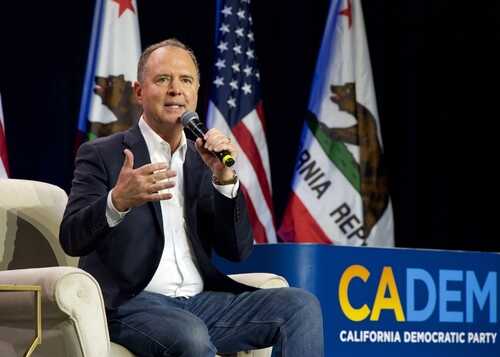
A longtime Democratic staffer alleges Senator Adam Schiff authorized classified leaks in 2017 to politically harm then-President Trump, with the FBI aware of the claim for years but taking no legal action.
At a Glance
- Whistleblower says Schiff approved classified leaks in 2017
- Alleged meeting aimed to aid Trump indictment efforts
- FBI interviewed the staffer in 2017 and again in 2023
- House censured Schiff in 2023 over misleading Trump-Russia claims
- Declassified documents recently given to Congress
Whistleblower Allegations
Declassified FBI records describe testimony from a Democratic House Intelligence Committee staffer who says they attended a 2017 all-staff meeting where Adam Schiff allegedly instructed committee members to leak classified information damaging to President Trump. The staffer, who had worked for Democrats for over a decade, said Schiff’s directive was framed as supporting an indictment effort and that colleagues reassured each other there would be no repercussions for the activity.
The FBI interviewed the whistleblower shortly after the alleged meeting and again in 2023. Documents detailing these interviews were only recently provided to Congress as part of ongoing oversight inquiries. The whistleblower’s statements represent a rare instance of intra-party reporting on alleged misconduct involving classified intelligence handling.
FBI Awareness and Non-Prosecution
The newly disclosed records show the FBI has been aware of the allegations since 2017 but has not pursued charges. Schiff, who played a central role in publicizing the Trump-Russia allegations later weakened by the Mueller report and other investigations, faced formal censure from the House in 2023 for misleading the public on those claims.
Watch now: FBI Records Detail Schiff Leak Allegations · YouTube
The lack of prosecution raises concerns about unequal enforcement of classified information laws. While past cases involving military personnel, intelligence officers, or political figures outside the Democratic leadership have resulted in penalties, no similar consequences have been applied in this instance despite the whistleblower’s account and the FBI’s documented awareness.
Oversight and Political Ramifications
The documents surfaced during broader congressional oversight into intelligence oversight processes. Former Trump administration official Kash Patel said the FBI “found it and declassified it,” suggesting the case could be part of a larger review of politically motivated intelligence leaks from 2016–2018. Journalist John Solomon reported this is one of several investigations involving Democratic officials expected to emerge in coming weeks.
These developments also come as Schiff faces a separate federal probe into alleged mortgage fraud violations. The convergence of inquiries adds pressure to the senator’s position and may fuel renewed calls for accountability measures.
Broader Context
The allegations, if substantiated, fit into a period of heightened partisan conflict over intelligence use during Trump’s presidency. Multiple investigations—including those by DOJ Inspector General Michael Horowitz and Special Counsel John Durham—have found procedural and evidentiary flaws in the handling of Trump-related intelligence matters, though they did not address these specific leak claims.
For lawmakers, the case underscores the dual challenge of safeguarding classified information while avoiding the perception of selective enforcement. Congressional leaders on both sides have previously emphasized that breaches of classified protocols erode trust in government institutions, particularly when they intersect with politically sensitive investigations.