
A sprawling “No Kings” network is steering protests into voter drives two weeks before the midterms, aiming to bank early ballots nationwide.
Story Highlights
- Organizers planned thousands of No Kings events centered on early voting and voter help.
- The coalition pushes registration checks, absentee requests, and voting plans via its official guides.
- National outlets describe a pivot from anti-Trump protests to hands-on election participation.
- Reports list major civic groups in the coalition, including the American Civil Liberties Union and League of Women Voters.
What Happened: Protests Shift Into Voter Operations
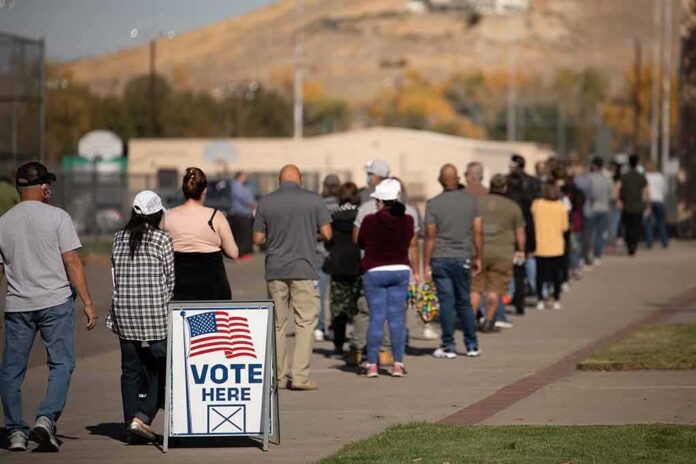
Organizers behind the No Kings movement staged a coast-to-coast push built around early voting and voter assistance. Reports said grassroots groups planned more than 3,000 marches and events focused on helping people vote before Election Day. The effort came with tools to check registration, locate polling places, and plan ballots. The stated goal was simple: get eligible voters to cast ballots early or by mail using lawful options in their states.
Coalition materials and coverage described a clear pivot. Earlier cycles centered on protests against President Trump’s agenda. This year, the network emphasized practical steps to help people vote. Organizers framed the effort as nonpartisan voter participation, available to anyone who wanted help navigating voting rules, early-vote windows, or absentee procedures. The calendar placed these events shortly before the midterms, a time when early voting windows are open in many states.
How The Operation Works On The Ground
The No Kings website and resource hub outline a simple workflow. Volunteers guide people to verify registration, fix any registration issues, and request absentee ballots where allowed. The guides offer early-voting hours, polling-place information, and ride-sharing plans. The same materials list voter-rights basics and encourage making a written plan to vote. This is a classic turnout model aimed at reducing confusion and time costs that keep some citizens from voting early or at all.
Reports and organizer lists show a broad coalition behind the push. Coverage named the American Civil Liberties Union, the League of Women Voters, and many aligned advocacy groups as partners. While the movement’s brand is proudly anti-Trump, the stated function of this weekend’s programming was teaching people how to vote and helping them follow through. That mix blends protest energy with nuts-and-bolts election guidance in local communities.
Scale Claims, Timing, And What We Know
News stories cited thousands of planned events, though totals varied by outlet and timing, with counts reported as more than 2,000 to more than 3,000. That range reflects planning numbers rather than audited attendance figures. The public record at this point demonstrates intent and reach, not the number of participants or ballots generated. Organizers, however, made clear that the push aimed to lock in votes early and avoid last-minute hurdles on Election Day.
‘No Kings’ protests held in St. Louis region ahead of November midterms https://t.co/JAJpUjK4iN
— CRAZY_BITCH_FROM_THA_SLAPAHOE_TRIBE 𖧶🪓 (@TRUMPGIRL_STL) October 19, 2026
Academic research suggests protest-linked activity can sometimes shape participation, though effects vary by place and year. Some studies find that visible movements can raise interest and turnout among aligned voters, while other work shows modest or mixed changes. What is certain here is the coalition’s method: lower the friction to voting by offering clear steps, early options, and real-time help. That approach seeks to translate rallies into banked ballots before election lines even form.
Why It Matters For Conservative Readers
Election rules are set by states, but outside groups can shape how those rules get used. A large, motivated network teaching vote-by-mail and early-vote tactics can influence close races, especially in urban corridors. Conservatives understand ground game decides margins. Awareness is key. Know your state’s rules, use lawful options that fit your schedule, and encourage your community to vote early if allowed. High-trust, rule-bound participation helps secure outcomes and protects every lawful ballot.
How To Respond: Knowledge, Vigilance, And Lawful Engagement
Local conservatives should match organization with organization. Learn early-vote start dates and identification rules in your county. Share official state links with friends and church groups. Help seniors verify registrations and plan rides. Report irregularities to local election offices using formal channels, not social media. Respect lawful observers. The best answer to any large turnout push is high, informed participation by every eligible voter who values the Constitution and limited government.
Sources:
youtube.com, nokings.org, afp.com, britannica.com, ground.news, newsweek.com, onlinelibrary.wiley.com, academic.oup.com