
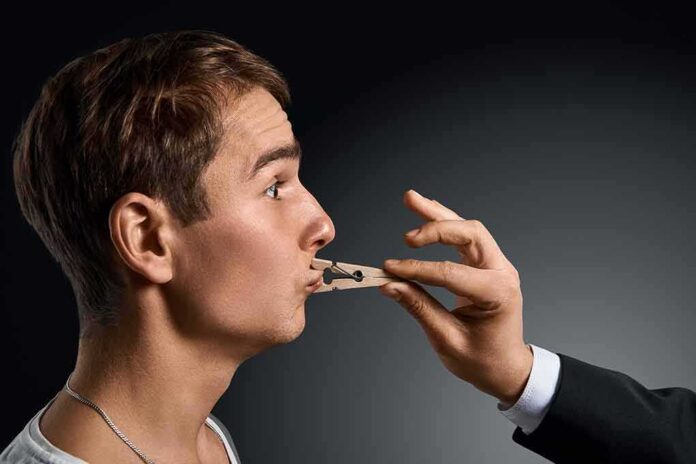
Two Senate Democrats renewed a push to police online speech, inviting First Amendment fights that could reshape what Americans can say and see online.
Story Highlights
- Senator Adam Schiff defends regulation of private platforms while pushing disclosure rules for paid political posts.
- Senator Chris Murphy says Congress erred by trusting tech firms to self-police and wants stronger laws.
- Schiff and Senator Alex Padilla pressed major platforms on “misinformation” ahead of midterms, raising bias concerns.
- Free-speech advocates warn that government control of platform decisions risks violating the First Amendment.
Democrats Outline a New Path to Regulate Online Speech
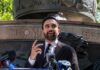
Senator Adam Schiff drew a clear line in an October 2026 interview. He said the First Amendment stops government from dictating speech but does not stop private platforms from setting rules. He argued companies use free speech claims to block even narrow regulation. His comments came as he promoted limits focused on disclosures and authenticity, not direct speech bans, though critics say those mandates still reach core speech choices by platforms and users.
Senator Chris Murphy added pressure from another angle. He said Congress “made a mistake” by trusting social media companies to self-police. He warned lawmakers not to repeat that error with artificial intelligence. He backs stricter rules and says platforms use addictive tools that harm kids. His position pairs a tough message with a policy goal: set legal guardrails when companies fail to protect minors or the public interest online.
Transparency Bill Targets Paid Political Influence
Schiff introduced the Promoting Authenticity with Influencer Disclaimers Act, S.5136, in July 2026. The bill would amend campaign law so posts by individuals, paid by political committees, must clearly show the committee paid for the content. Supporters frame it as “label it, do not ban it.” The approach aims to inform voters about sponsored persuasion without removing posts. The bill’s text lays out the disclosure duty but leaves enforcement and costs to later debate.
Coverage of the proposal underscores a narrow promise. It does not direct platforms to delete lawful speech or choose winners in debate. It demands that political ads dressed up as “influencer” posts carry honest labels. That said, the record here does not prove that undisclosed paid posts drive a major share of false information online. It also does not show whether large platforms can apply the rule at scale without sweeping in ordinary users by mistake.
Election “Misinformation” Pressure Raises Censorship Fears
Schiff and Senator Alex Padilla used Senate oversight to press the largest platforms about election misinformation before the 2026 midterms. Their public letter sought details on steps to curb false claims. Many voters want clean elections. Yet when officials urge companies to act on broad categories like “misinformation,” lines blur fast. Oversight can slide into pressure on lawful, disputed speech, especially in hot political seasons when trust is already thin.
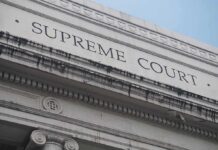
Free-speech advocates warn that the First Amendment protects a platform’s right to decide what to host and how to rank it. They say the government may not dictate posts or nudge firms to silence disfavored views. Recent Supreme Court guidance tied to the NetChoice disputes recognized the editorial nature of platform choices, and warned against rules that force or chill those choices. That caution covers both direct laws and backdoor pressure campaigns.
Child Safety Push Meets Constitutional Guardrails
Murphy backs a child-safety bill to set a minimum age and curb targeted feeds for teens. He says recommendation tools push harmful content to kids. Many parents agree that teens need protection. The research cited here, however, does not provide a clear measure of cause and effect. That gap matters in court. Lawmakers must show why a rule is needed, how it works, and why speech-neutral tools would not fix the same harm at lower constitutional risk.
The path forward runs between two ditches. On one side, vague speech rules invite censorship and government overreach. On the other, a free-for-all leaves families and voters exposed to opaque influence and risky feeds. Narrow transparency steps, like clear labels for paid political content, are more defensible than broad mandates. But even those rules must respect platform editorial judgment, avoid coerced moderation, and include clear limits, due process, and proof of real-world need.
Sources:
twitchy.com, congress.gov, x.com, murphy.senate.gov, schiff.senate.gov, yahoo.com, fire.org