

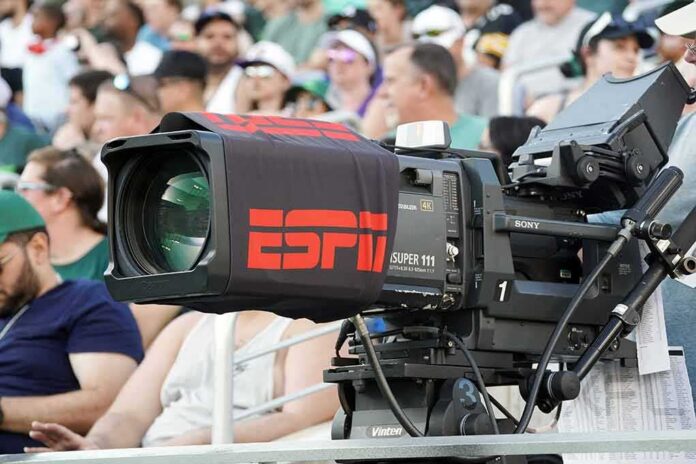
ESPN’s Stephen A. Smith mocked an NFL star’s mental-health retirement on air, then rushed out a public apology the very next morning.
Story Highlights
- Lane Johnson retired midseason to focus on mental health and family, after 14 seasons with the Eagles.
- Stephen A. Smith questioned and joked about the timing, drawing sharp backlash from fans and media.
- Smith opened his next show with a direct apology to Johnson and Philadelphia.
- Critics said his tone trivialized mental health and could chill help-seeking by others.
What Sparked The Firestorm On ESPN’s Set
Philadelphia right tackle Lane Johnson announced his retirement four games into the season. He said he needed to focus on his mental health and be with his family after 14 years in the league. Johnson admitted he wanted one more run but decided priorities had changed. ESPN reported the same themes, quoting his statement about reflection and family needs. The National Football League’s write-up also noted Johnson’s long advocacy on these issues and his choice to step away now.
Stephen A. Smith reacted on television by questioning Johnson’s midseason exit and riffing on the Eagles’ struggles. Coverage from Fox News’ sports vertical and The Athletic framed his segment as mocking the decision and laughing on air, which triggered a swift backlash from viewers and peers. The segment’s tone became the issue. The discussion moved from football analysis to whether a media figure crossed a clear line when an athlete cites mental health as the reason to stop playing.
The Immediate Apology And What Smith Said He Got Wrong
Smith opened his next show with a direct apology to Johnson and the Philadelphia Eagles. He said he was wrong, and he accepted that his words made light of mental health. He told viewers that he did not intend to dismiss Johnson’s reasons but understood the effect of his delivery. He also acknowledged a risk his comments could give people who need help “a reason to pause and hesitate,” which critics flagged as the real harm at stake.
Philadelphia media documented the apology and the reaction inside the set. The Inquirer reported that Smith admitted, “I messed up,” and addressed the team and city by name. National outlets echoed that message. The core point was simple and on record: the apology was not forced by the network, according to Smith; he said it because he believed he crossed a line, and he wanted to correct it. That clarity cooled some anger but did not end debate.
Backlash From Peers And The Line Between Critique And Mockery
Veteran host Dan Patrick said Smith’s tone was flippant and that you do not joke about a person’s mental-health decision on air. Other coverage summarized comments from media voices and fans who said Smith trivialized Johnson’s choice and implied it was about the Eagles’ early problems, not the reasons Johnson gave. Yahoo’s roundup noted on-set pushback from colleague Kimberley A. Martin, who pointed to Johnson’s history with these issues.
USA Today highlighted Smith’s own warning that his words could deter people from seeking help, underlining why tone matters when athletes speak up. Conservative readers know media elites often play by two sets of rules. Fair football talk is welcome. But when a man cites mental health and family, basic decency says you do not pile on. You call balls and strikes on the field and keep respect for the person off it. Smith’s apology moved in that direction.
Why This Matters For Fans, Players, And Media Standards
Fans value tough debate, not cheap shots. Johnson’s statement gave clear reasons for stepping away, and multiple major outlets documented them. That sets a public record and a fair baseline for discussion. When a commentator brushes past that record, trust suffers. Strong media should hold the line: challenge play-calling, effort, and front-office moves, but keep a steady hand when a player cites health. That standard respects free speech and personal dignity at the same time.
Sources:
foxnews.com, nytimes.com, inquirer.com, abcnews.com, espn.com, nfl.com, sports.yahoo.com