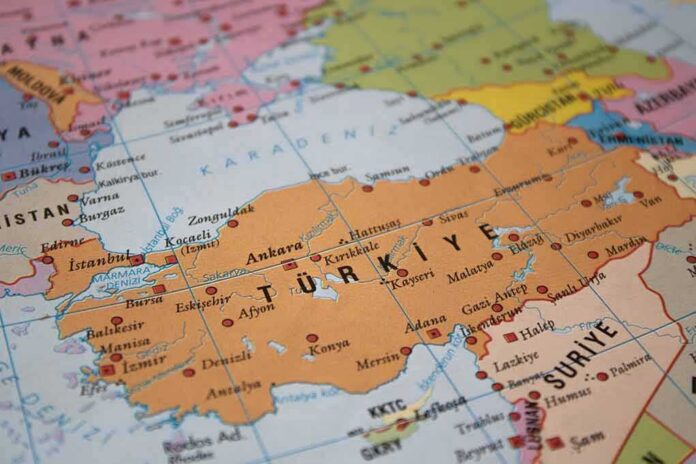
Saudi Arabia, Türkiye, and Pakistan just pledged that an attack on one is an attack on all, reshaping the security map of the Middle East.
Story Highlights
- Mecca Joint Defence Agreement declares collective defense among Saudi Arabia, Türkiye, and Pakistan.
- Saudi Arabia and Pakistan also signed a separate mutual-defense pact with explicit deterrence language.
- Pakistan calls the pact defensive and focused on regional stability, not escalation.
- Public texts stress deterrence while leaving operational details unspecified.
New Collective-Defense Pledge Signed in Mecca
Saudi Arabia, Türkiye, and Pakistan signed the Mecca Joint Defence Agreement and said they will treat an armed attack against one as an attack against all. The joint statement framed the step as a move to strengthen their collective security and bolster deterrence. It did not list targets, enemies, or carve-outs. It presented a shared stand against aggression and a promise to act together if needed. Saudi officials released the statement through their national press agency.
Major outlets reported the signing took place in Mecca, with Saudi Crown Prince Mohammed bin Salman, Turkish President Recep Tayyip Erdogan, and Pakistani Prime Minister Shehbaz Sharif present. The agreement arrived during regional tensions and ongoing threats to energy routes and critical infrastructure. The ceremony and language signaled a high-profile commitment to coordination. Reporters emphasized the symbolism of the holy city venue and the leaders’ direct involvement in the announcement.
Separate Saudi-Pakistan Mutual-Defense Pact
Alongside the trilateral move, Saudi Arabia and Pakistan signed a separate strategic mutual-defense pact. Their joint language states that any aggression against either country will be considered aggression against both. Officials said the deal aims to deepen defense cooperation and strengthen deterrence. Pakistan’s government described the pact as defensive and supportive of peace and stability. The framing focused on preventing attacks and building capacity, not provoking conflict or arms races in the region.
Pakistan’s Foreign Office reinforced that the agreement is purely defensive in nature. It said closer planning and coordination would help avoid miscalculation by adversaries. The spokesperson linked the pact to longstanding cooperation and training ties. The message underscored that deterrence can reduce the odds of war by raising the costs for any aggressor. That line matched the language of the public texts and explained how the two states intend to use the pact.
What the Texts Say—and What They Do Not
The public statements highlight unity, deterrence, and collective security. They do not publish rules for automatic troop deployments, command structures, or time-bound response obligations. Reporters who viewed the statements said specifics were not provided. That means the core promises are clear, but the mechanics remain to be announced or negotiated. The lack of operational detail does not erase the new pledge, but it limits what outside readers can conclude about timelines and force levels.
A senior Saudi official previously described the Saudi-Pakistan pact as comprehensive and covering all military means. That answer addressed questions about scope without listing classified steps or nuclear guarantees. The open text still presents a defensive posture and a bid to deter attacks, not a blueprint for first strikes. Observers should therefore read the language as political direction that will guide future planning, exercises, and procurement as partners work out implementation.
Why This Shift Matters for Americans
Regional partners are building more options while still relying on the United States for key support. Think tanks describe Saudi policy as diversification, not replacement. They note Riyadh’s push to widen ties while keeping strong links with Washington for training, arms, and deterrence against Iran. This pattern means the United States stays central to Gulf security even as local coalitions grow, which can reduce the burden on American forces if partners shoulder more defense tasks.
Three heavyweights built an "Islamic NATO", only to hit a wall weeks later.
When Saudi Arabia, Pakistan, and Turkey signed the Mecca Joint Defence Agreement, the mandate mimicked Article 5: an armed attack on one is an attack on all.
Then Houthi forces fired 6 ballistic…
— Sachin | Behind The Headlines (@sachin____rt) October 2, 2026
For American readers who value peace through strength, the message is clear. Allies are organizing to deter threats to energy routes and regional stability. Strong deterrence reduces the chance of wider war that could hit our supply chains, fuel costs, and families. The Trump administration can press for clear roles, real burden-sharing, and respect for American interests. That includes fair defense deals, secure sea lanes, and coordination that protects our troops and our economy without open-ended commitments abroad.
Sources:
military.com, spa.gov.sa, mofa.gov.pk, inquirer.com, english.ahram.org.eg, reuters.com