

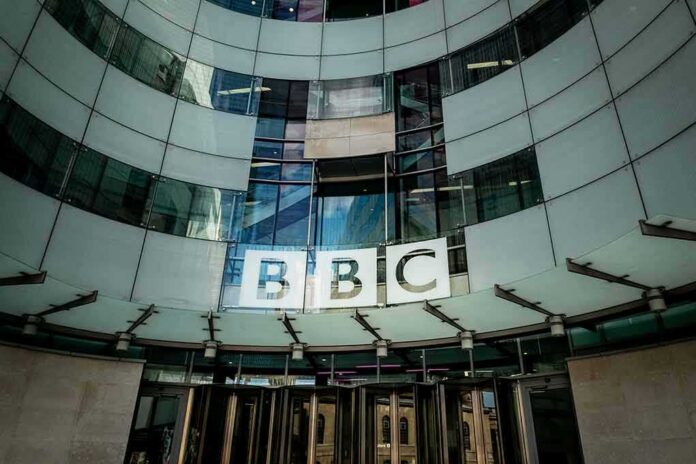
Britain’s media regulator ruled the BBC “materially misleading” for hiding a Gaza narrator’s Hamas family tie, reigniting doubts about elite media honesty.
Story Highlights
- Regulator said the BBC committed a “serious breach” by not disclosing the child narrator’s Hamas link.
- The BBC’s own review called the father’s role “critical information” and found an accuracy breach.
- The film was pulled from the BBC’s platform while extra checks were done.
- Public critics called the lapse a major failure of trust and process.
Regulator Calls Omission a “Serious Breach” That Misled Viewers
United Kingdom regulator Ofcom said the BBC broke broadcasting rules by failing to tell viewers that the teen narrator of a Gaza documentary was the son of a Hamas official. The regulator called the program “materially misleading” and a “serious breach.” That language places the case in rare company for on-air sanctions and trust failures. The decision focused on the missing disclosure, not the existence of the footage itself, and found the audience lacked vital context.
The BBC removed the film from its online platform while it ran added checks after the link became public. That step followed growing questions about how a child with a senior Hamas-connected parent came to narrate a program shaped as neutral reporting on Gaza children. The pause did not end concerns. Critics asked why the disclosure was missed and demanded a transparent, independent probe of how this happened on a flagship public broadcaster.
Internal Review Admits “Accuracy” Failure and Names “Critical” Context
The BBC’s own review said the program breached its editorial guideline on accuracy. The report stated the father’s role in Gaza’s Hamas-run government was “critical information” that the audience should have had. The finding underscored that missing affiliations can mislead even when images are real. The review also said it found no separate breach on impartiality, drawing a narrow line between content balance and the failure to tell viewers who the narrator was tied to.
Major outlets and wires matched the review’s core points, noting the father’s government post and the program’s removal. Reuters reported that the BBC’s internal probe flagged the nondisclosure as a direct violation of standards. This aligns with the plain-language rule most viewers expect: if a source’s ties shape how we weigh their story, tell us, clearly and early. Without that, trust erodes, and audiences feel played by process, not served by facts.
Public Backlash Targets Editorial Oversight and Source Vetting
Public reaction pushed beyond the single error to a broader process critique. Sky’s report on the review highlighted failures in early checks and a lack of critical follow-up on half-answered questions. That is the heart of newsroom discipline: verify, disclose, and explain. When a state-linked faction like Hamas is involved, the threshold is higher, not lower. Viewers deserved plain disclosure so they could judge testimony with clear eyes.
For American readers long wary of activist spin in news, this case fits a pattern. Powerful outlets promise neutrality, then hide facts that change how a story lands. The fix is simple and old-fashioned: full disclosure, tight standards, and consequences when those fail. The regulator’s sanction and the BBC’s review confirm what many sensed. The audience was not told the whole truth, and that made the program misleading on its face.
Why This Matters for Trust, Policy, and American Viewers
Media trust is not a culture-war slogan; it is a civic need. Policy debates on security, aid, and alliances rest on a shared set of facts. When a public broadcaster omits a Hamas link in a narrator’s family, it tilts the frame in a subtle but powerful way. The lesson for U.S. readers is clear. Demand disclosure across the board. Reward outlets that show their work. Push back when gatekeepers hide ties that any fair viewer would want to know.
This is also a standards issue that crosses borders. Public broadcasting rules in the United States stress clear source identity and relevant affiliations. These norms exist to protect viewers from shaped narratives that wear a news label. The BBC’s own report uses the right word for the missing fact: critical. That should be the operating rule moving forward for every newsroom that wants trust to rise, not slip further away.
What Comes Next: Accountability and Rebuilding Standards
The regulator’s finding, the program’s removal, and the internal review create a paper trail. The next step is lasting fixes. Stronger vetting, sharper disclosure labels, and a reflex to flag relevant ties up front will help. Audiences will forgive errors that are owned fast and fixed fully. They will not forgive patterns that look like agenda first, facts later. This case can be a reset—if leaders choose transparency over spin.
Viewers deserve straight talk about who is telling a story and why we should trust them. That is not partisan; it is common sense. The BBC says it will learn from this. The measure will be what changes on screen. Until then, be cautious, check sources, and keep asking the basic question the program failed to answer for you: who is talking, and what are their ties to power?
Sources:
bbc.com, reuters.com, apnews.com, theguardian.com