

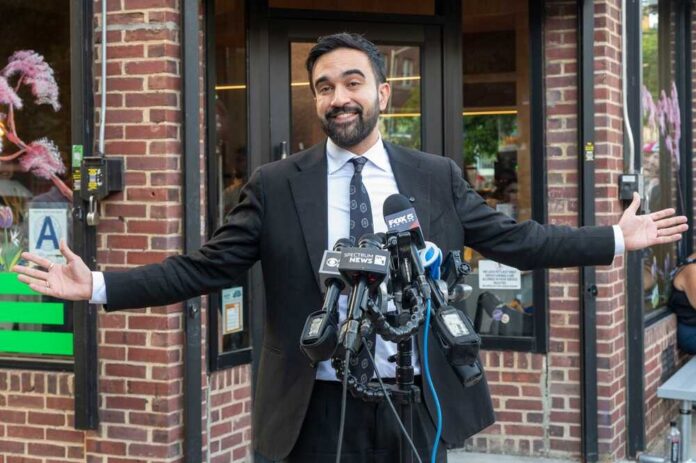
Zohran Mamdani’s latest attack on the American Israel Public Affairs Committee has reopened a painful fight over where criticism ends and antisemitic tropes begin.
Quick Take
- Mamdani called the American Israel Public Affairs Committee “monsters” and linked it to “dark money.”
- He said he was using a broad political metaphor, not targeting Jews as a people.
- Jewish leaders and critics said his language echoed old antisemitic patterns.
- The dispute shows how fast anti-Israel rhetoric can spill into fear over Jewish safety.
What Mamdani Said
According to the reported remarks, Mamdani described the American Israel Public Affairs Committee as “monsters” that move “millions in dark money” and try to turn people against each other. In the video transcript, he said he was quoting Antonio Gramsci and using the term to describe those blocking change, not only the lobbying group itself. He also argued that his target was the political status quo, not Jewish identity.
That explanation did not calm the backlash. Reporters noted that Jewish leaders and some Jewish supporters said the word choice sounded like an old trope, not normal campaign heat. The National Post report said some Jewish New Yorkers warned the language could provoke violence, while other coverage said critics saw the remarks as a loaded attack on a pro-Israel group. Mamdani kept defending the comments instead of backing away from them.
Why Critics See a Red Line
The core concern is simple: when a politician uses words like “monsters” and “dark money” around a Jewish-linked issue, many listeners hear more than policy criticism. The Anti-Defamation League and other Jewish voices have long warned that conspiratorial language can feed hatred by making Jews look powerful, secretive, or dangerous. That is why critics said Mamdani’s phrasing crossed from blunt politics into dangerous territory.
At the same time, Mamdani’s defenders say he was attacking a lobbying group and its spending, not Jews. That distinction matters in principle, because the United States government has said criticism of Israeli policy is not antisemitism. But this case shows the limits of that line when the language turns darker and more personal. Even a real policy complaint can sound like hate when it leans on imagery that Jews have heard before.
What This Means for America
America does not stop antisemitism by pretending every harsh political fight is harmless. It also does not protect Jewish Americans by calling every criticism of Israel or its allies hate speech. The public needs a clearer standard: attack ideas, votes, and policy; do not dress those attacks in language that echoes old slurs or conspiracy myths. That is especially important now, when antisemitic incidents have risen and many Jewish Americans already feel under pressure.
Israeli PM Benjamin Netanyahu slams U.S. Rep. Haley Stevens, a supporter of Israel who’s running for U. S. Senator, saying “she’s trying to probably excuse antisemitism.” Stevens has recently been attacking Netanyahu, saying his actions are making Jewish people unsafe. https://t.co/8EFG84WKMT
— Niraj Warikoo (@nwarikoo) July 10, 2026
The bigger lesson is that civic leaders should speak with discipline, not fire off slogans that inflame fear. The fight over Mamdani’s comments shows how fast public debate can slide from a debate over lobbying power into a broader battle over Jewish safety, free speech, and basic trust. If America wants less hate, public figures must stop using language that sounds like a warning siren to the very people they claim not to target.
Sources:
youtube.com, politico.com, aljazeera.com, jpost.com, nypost.com, npr.org, americanbar.org, jns.org, decodingantisemitism.substack.com, hks.harvard.edu, state.gov, tandfonline.com