The Trump administration has significantly reduced and revised the State Department’s annual human rights report, softening criticism of some allies while removing entire sections on corruption and minority rights.
At a Glance
- Report scales back criticism of Israel and El Salvador while increasing scrutiny of Brazil and South Africa
- Sections on corruption, LGBTQ+ persecution, and gender-based crimes removed
- UK, France, and Germany faulted for online speech regulations
- Publication delayed amid reported internal dissent at the State Department
- ICC arrest warrants for Israeli and Hamas leaders omitted
Changes to Scope and Emphasis
The latest US State Department human rights report represents a marked departure from previous editions, both in content and tone. Long considered the most comprehensive government-produced account of global human rights conditions, the document has been shortened, with entire topics eliminated. Officials said the changes were intended to “remove redundancies” and improve “readability,” but critics argue the revisions diminish the report’s credibility.
Watch now: Unpacking Trump’s reported plans to scale back human rights · YouTube
Notably, the report reduces critical language toward US partners such as Israel and El Salvador, while amplifying criticism of governments that have strained relations with Washington, including Brazil and South Africa. It omits several past areas of focus, such as systemic corruption, gender-based violence, and persecution of LGBTQ+ communities.
Shifts in Country Assessments
The United Kingdom, France, and Germany—longstanding allies—are cited for “significant human rights issues” linked to laws restricting online hate speech. The report’s language mirrors prior administration critiques of European regulation as harmful to free expression. UK officials defended their approach, citing the need to balance free speech with public safety, particularly in light of violent incidents linked to false online claims.
In Brazil, the report accuses the government of taking “disproportionate action to undermine freedom of speech,” a claim that follows other administration criticism of the country’s policies. Brazil has rejected such accusations in the past.
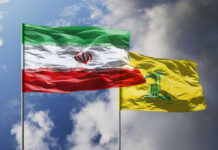
Coverage of Israel and the Palestinian territories notes a rise in human rights violations during ongoing conflict, but it also highlights what it calls “credible steps” by the Israeli government to identify abusive officials. Accusations of war crimes against Hamas and Hezbollah are included, but the report does not mention International Criminal Court arrest warrants for Israeli Prime Minister Benjamin Netanyahu, former defense minister Yoav Gallant, or Hamas commander Mohammed Deif.
Political Context and Reactions
El Salvador, accused by Amnesty International of arbitrary detention and poor prison conditions, is described in the report as having “no credible reports of significant human rights abuses.” This finding contrasts sharply with external assessments and aligns with President Trump’s public praise of Salvadoran President Nayib Bukele.
The report’s release followed months of delay amid reports of internal pushback from State Department staff. Earlier this year, political leadership reportedly instructed teams to shorten reports and remove certain references, a shift reinforced by related executive orders.
During a recent trip to Saudi Arabia, President Trump reiterated his view that the US should avoid “lecturing” other countries on governance. The publication’s altered tone appears consistent with that stance, prioritizing strategic relationships over broader human rights advocacy.
Critics, including former senior officials, warn that the changes could signal reduced US willingness to hold allies accountable, potentially undermining the report’s role as a reference for governments, activists, and researchers worldwide.