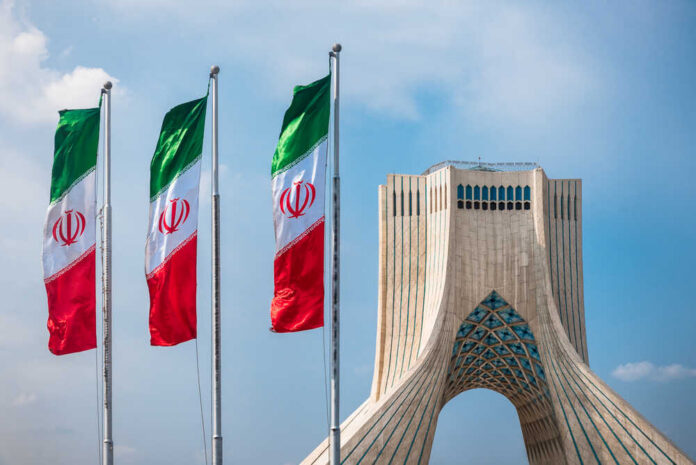
President Trump decisively rejects Iran’s latest weak diplomatic offer, signaling he will not tolerate half-measures on nuclear disarmament amid rising regional tensions.
Story Highlights
- Trump dismisses Iran’s May 1 offer via Pakistan as insufficient, demanding a “right deal” that addresses highly enriched uranium.
- Iran’s regime shows internal disarray, miscalculating Trump’s firm resolve after a fragile two-week ceasefire.
- Military options remain on the table, with Trump warning of bombing if no compliant deal emerges soon.
- Ceasefire frays due to Israeli strikes on Hezbollah in Lebanon, heightening risks of Strait of Hormuz disruptions and oil price spikes.
Trump Rejects Latest Iranian Proposal
On May 1, 2026, Iran transmitted a new diplomatic offer to the United States through Pakistan amid escalating tensions over its nuclear program. President Trump, briefed by the CENTCOM Commander, publicly dismissed it as inadequate. He stated, “I’m not happy… They’ve got to come up with the right deal.” This stance underscores Trump’s priority to dismantle Iran’s nuclear capabilities, including removal of highly enriched uranium, rejecting any enrichment allowances.
Iran Makes Another Offer – Trump Isn’t Impressedhttps://t.co/VbPACDEAjC
— RedState (@RedState) May 1, 2026
Fragile Ceasefire Background
A two-week ceasefire took effect on April 28, 2026, following Iran’s 10-point plan that included sanctions relief and Strait of Hormuz tolls favoring Tehran. Israeli strikes on Hezbollah in Lebanon on April 29 killed hundreds, prompting Iran to threaten withdrawal and Hormuz closure. Trump posted on Truth Social rejecting uranium enrichment and affirming readiness to use B-2 bombers for removal if necessary. Iran’s internal leadership appears disjointed and confused under U.S. pressure.
Stakeholders and Power Dynamics
Trump leads U.S. negotiations, motivated by eliminating the nuclear threat while holding a military edge. Iran’s regime seeks economic relief and program preservation through asymmetric tactics like proxies and Hormuz threats. Pakistan mediates offers, while Israel prioritizes security against Hezbollah. CENTCOM provides Trump with strike options. This dynamic pressures Iran’s weakened position, contrasting past U.S. presidents’ perceived inaction on the nuclear issue.
Conservatives view Trump’s approach as strategic strength, forcing concessions without unnecessary war, aligning with America First principles of robust defense and deal-making.
Potential Impacts and Risks
Short-term risks include U.S. or Israeli strikes and Hormuz disruptions that could spike global oil prices and disrupt trade. Long-term, a successful deal might rollback Iran’s nuclear program; failure could fuel proxy wars. Affected parties span U.S. forces, Iranian civilians, Lebanese communities, and oil markets. Political tests for Trump’s deal-making expose regime divisions, resonating with Americans frustrated by elite foreign policy failures that prioritize reelection over security.
Both conservatives and liberals share concerns over endless Middle East entanglements and government mismanagement, as this standoff highlights deep state tendencies to entangle America in conflicts without clear victories.
Sources:
Iran Makes Another Offer – Trump Isn’t Impressed
Iran Mocks Donald Trump Ceasefire Deal